If you’ve noticed your dog’s ear suddenly becoming swollen, puffy, or filled with fluid, you’re probably worried—and for good reason. An ear hematoma can appear almost overnight, often after a dog shakes its head repeatedly or scratches at an itchy ear. Many owners immediately search for how to treat dog ear hematoma at home, hoping to ease their pet’s discomfort before deciding whether a veterinary visit is necessary.
The good news is that there are safe ways to support your dog at home, especially during the first 24 to 48 hours. However, it’s equally important to understand the limits of home care. Unlike a minor cut or scrape, an ear hematoma involves bleeding beneath the skin of the ear flap, and treating it incorrectly can make the problem worse or increase the risk of permanent ear deformity.
This guide explains what an ear hematoma is, when home treatment is appropriate, what you should never do, and how to help your dog recover comfortably. You’ll also learn how to identify situations that require professional veterinary care and discover practical tips that many pet owners overlook.
What Is a Dog Ear Hematoma?
A dog ear hematoma (also called an aural hematoma) is a pocket of blood that forms between the layers of the ear flap (pinna). It develops when tiny blood vessels rupture, usually because of repeated head shaking or excessive scratching.
Instead of the blood escaping externally, it collects inside the ear flap, creating a soft or firm swelling that often feels like a partially inflated balloon.
Common causes include:
- Ear infections
- Ear mites
- Allergies
- Grass seeds or foreign objects
- Insect bites
- Trauma during play
- Chronic skin conditions
The hematoma itself isn’t usually the original problem. It’s often the result of another condition causing irritation.
Can You Treat a Dog Ear Hematoma at Home?
The honest answer is yes—but only to a limited extent.
Home treatment can:
- Reduce discomfort
- Help control inflammation
- Prevent additional trauma
- Support healing while monitoring the condition
Home treatment cannot safely drain the blood or permanently repair the damaged tissue. Large hematomas almost always require veterinary treatment to prevent the ear from becoming permanently thickened or wrinkled (often called “cauliflower ear”).
Signs Your Dog Has an Ear Hematoma
Watch for these symptoms:
- Swollen ear flap
- Warm ear
- Soft or firm fluid-filled swelling
- Head shaking
- Constant scratching
- Ear sensitivity
- One ear hanging differently
- Whining when touched
Some dogs continue acting normally despite significant swelling, while others become very uncomfortable.
Step-by-Step Home Care
1. Stay Calm and Examine the Ear
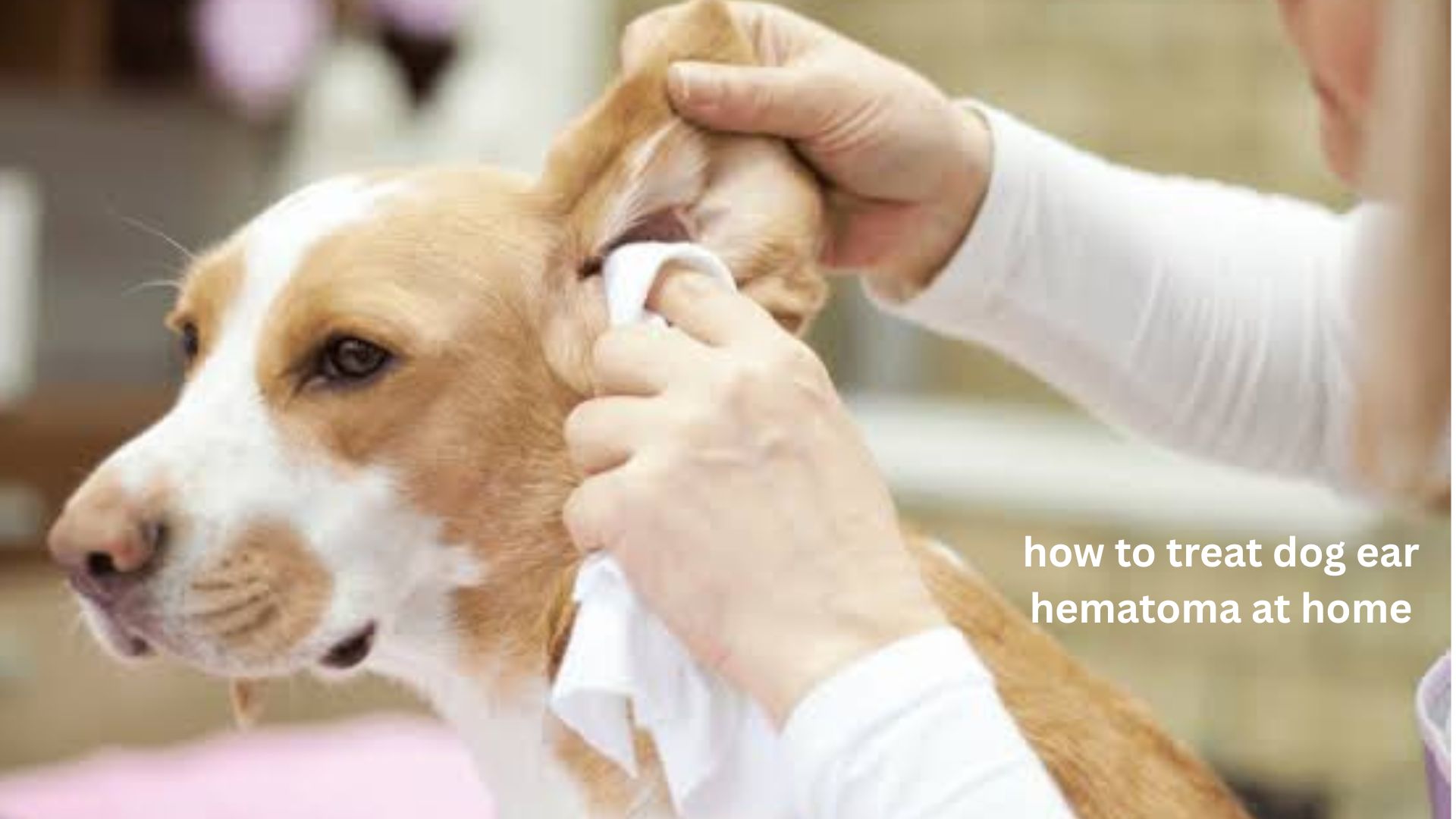
Start by gently inspecting both ears.
Look for:
- Redness
- Bad odor
- Discharge
- Excess wax
- Foreign objects
- Bleeding
- Visible wounds
Do not squeeze the swollen area.
If your dog cries or becomes aggressive when touched, stop the examination.
2. Apply a Cool Compress
A cold compress may reduce early inflammation.
How to do it:
- Wrap an ice pack in a soft towel.
- Apply for 5–10 minutes.
- Repeat 3–4 times daily during the first 48 hours.
Never place ice directly against the skin.
This won’t remove the blood already inside the ear, but it may help reduce additional swelling.
3. Prevent More Head Shaking
Every shake can rupture more blood vessels.
Helpful options include:
- Using an Elizabethan collar (cone)
- Keeping your dog calm
- Avoiding rough play
- Limiting vigorous exercise for several days
Reducing movement gives damaged vessels a chance to stop bleeding.
4. Address the Underlying Ear Problem
One of the biggest mistakes owners make is focusing only on the swelling.
Ask yourself:
- Is the ear dirty?
- Does it smell bad?
- Is there dark debris?
- Has my dog had allergies recently?
If the ear appears infected or contains discharge, home treatment alone isn’t enough because the irritation will continue.
5. Keep the Ear Clean—but Carefully
Only clean the outer ear if your veterinarian has previously recommended a safe ear cleaner.
Never use:
- Alcohol
- Hydrogen peroxide
- Vinegar without veterinary guidance
- Essential oils
- Cotton swabs deep inside the ear
Cleaning too aggressively often increases irritation.
6. Watch for Changes
Monitor the swelling several times each day.
Pay attention to:
- Size increasing
- Color changes
- Pain worsening
- Loss of appetite
- Fever
- Pus
- Bleeding
Photographing the ear daily helps you notice gradual changes that might otherwise be missed.
What You Should NEVER Do at Home
Many online videos promote dangerous treatments.
Avoid:
Draining the Ear Yourself
Using needles or syringes at home carries serious risks:
- Infection
- Repeated bleeding
- Severe pain
- Incomplete drainage
- Tissue damage
Even if the blood is removed temporarily, the space usually fills again unless the damaged tissue is properly managed.
Wrapping the Ear Too Tightly
Some owners tape the ear flat against the head.
Improper bandaging can:
- Cut off circulation
- Trap moisture
- Cause skin sores
- Make infections worse
Giving Human Pain Medication
Never give:
- Ibuprofen
- Naproxen
- Acetaminophen
These medications can be toxic to dogs.
When Home Treatment Is Not Enough
Seek veterinary care if:
- Swelling is larger than a golf ball
- Your dog cries when touched
- Blood continues collecting
- Both ears are affected
- The ear smells foul
- There is thick discharge
- Your dog stops eating
- The swelling lasts longer than 24–48 hours
- The ear becomes hard
Prompt treatment often leads to faster healing and better cosmetic results.
Why Ear Hematomas Often Return
Many owners are surprised when the swelling comes back.
The reason is simple:
The hematoma isn’t usually the disease—it’s the symptom.
Unless the underlying cause is treated, your dog may continue:
- Scratching
- Shaking
- Damaging new blood vessels
That’s why recurring hematomas often point to:
- Chronic allergies
- Recurring ear infections
- Ear mites
- Food sensitivities
Recovery Timeline
Recovery depends on severity.
Mild Cases
- Improvement in several days
- Swelling gradually decreases
- Close monitoring still required
Moderate Cases
- Often need veterinary drainage
- Healing takes 2–4 weeks
Severe Cases
- Surgery may be recommended
- Recovery can take 4–6 weeks
Common Mistakes Dog Owners Make
Avoid these common errors:
- Waiting too long before seeking help.
- Draining the ear with household needles.
- Ignoring recurring ear infections.
- Using homemade cleaning solutions.
- Assuming swelling will disappear on its own.
- Letting the dog continue scratching.
- Stopping treatment once swelling improves.
Practical Tips That Make a Real Difference
Keep Your Dog Mentally Occupied
Dogs recovering from ear discomfort often shake their heads out of frustration or habit. Food puzzles, sniffing games, or short training sessions can redirect their attention and reduce repeated head shaking.
Check the Other Ear Too
One overlooked detail is that the opposite ear may already show early signs of infection or allergy. Treating both ears when appropriate (under veterinary guidance) can reduce the chance of another hematoma developing.
Track Head-Shaking Episodes
A simple notebook or phone note can be surprisingly useful. Record when your dog shakes its head most often—after walks, meals, or outdoor play. Patterns may reveal triggers such as pollen, certain foods, or grass exposure that aren’t immediately obvious.
Preventing Future Ear Hematomas
Good ear care is the best prevention.
Create a routine that includes:
- Weekly ear checks
- Cleaning only when needed
- Managing allergies
- Prompt treatment of infections
- Regular parasite prevention
- Grooming around the ears when appropriate
- Drying ears after swimming
Dogs with floppy ears often benefit from more frequent monitoring because moisture becomes trapped more easily.
Home Care vs Veterinary Treatment
| Home Care | Veterinary Treatment |
|---|---|
| Cold compress | Professional drainage |
| Prevent scratching | Medication |
| Monitor swelling | Surgery if necessary |
| Treat minor irritation | Treat severe infection |
| Support healing | Prevent recurrence |
Home care works best as supportive care—not as a replacement for professional treatment in moderate or severe cases.
FAQ
Can a dog ear hematoma heal on its own?
Small hematomas occasionally shrink over several weeks, but they often leave the ear thickened or misshapen. Larger hematomas are much less likely to resolve well without treatment. Even if the swelling decreases, the underlying cause—such as an ear infection or allergy—still needs attention to prevent recurrence.
How long does it take for a dog ear hematoma to heal at home?
Minor cases may begin improving within one to two weeks if the bleeding has stopped and your dog avoids further trauma. More significant hematomas can take several weeks or even months to settle naturally. Healing time also depends on whether the original ear problem has been successfully managed.
Can I drain my dog’s ear hematoma with a needle?
No. Draining an ear hematoma at home is not recommended. It can introduce bacteria, increase bleeding, and the pocket often refills because the damaged tissue has not healed. Veterinary treatment is the safest option if drainage is necessary.
What causes ear hematomas to keep coming back?
Recurring hematomas usually indicate an unresolved issue such as chronic ear infections, allergies, ear mites, or ongoing irritation. Simply treating the swelling without identifying the root cause often leads to repeated episodes. A thorough examination is important if the problem returns.
Is an ear hematoma painful for dogs?
Yes, although the level of discomfort varies. Some dogs show obvious signs such as crying, avoiding touch, or refusing to let anyone examine the ear, while others continue to eat and play but frequently shake or scratch their head. Persistent pain or increasing swelling should be evaluated promptly.
Conclusion
Knowing how to treat dog ear hematoma at home can help you keep your pet comfortable during the early stages of the condition. Applying cool compresses, preventing excessive head shaking, monitoring the swelling, and addressing the underlying cause are all valuable steps that support recovery.
At the same time, it’s important to recognize that home care has limits. Attempting to drain the hematoma yourself or delaying treatment for a severe case can lead to complications, chronic discomfort, or permanent changes to your dog’s ear. If the swelling is large, painful, or continues to worsen, timely veterinary care offers the best chance for a full recovery.
Paying close attention to your dog’s ears, treating infections promptly, and managing allergies can significantly reduce the risk of future ear hematomas and help your dog stay healthy, comfortable, and active.