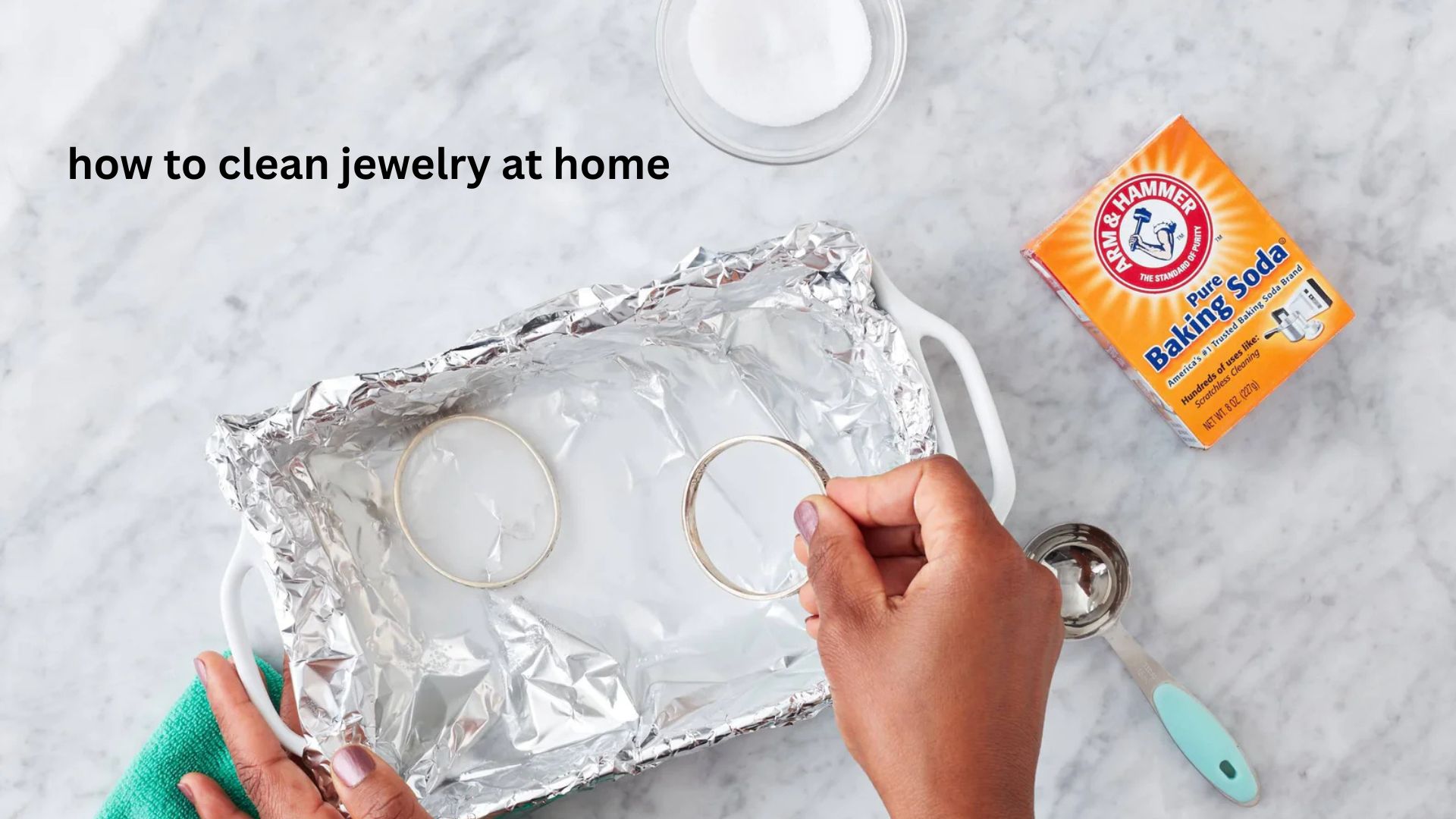
A favorite necklace starts looking dull, your ring loses its sparkle, or your earrings collect a layer of buildup after regular wear. Many people face this problem but hesitate to clean their jewelry because they worry about scratching delicate metals, loosening stones, or accidentally causing permanent damage. The good news is that how to clean jewelry at home does not require expensive equipment or professional products in most cases.
With the right approach, you can safely remove dirt, oils, lotion residue, and everyday grime using simple household methods. However, the best cleaning technique depends on the type of jewelry you own. Gold, silver, diamonds, pearls, gemstones, and costume jewelry all have different needs.
This guide explains practical ways to clean jewelry at home, including methods that work for everyday maintenance, mistakes to avoid, and professional-style tips that help protect your valuable pieces. Whether you are refreshing an old family necklace or bringing back the shine of a daily-wear ring, these steps will help you clean your jewelry safely and effectively.
Why Jewelry Gets Dirty and Loses Its Shine
Jewelry naturally collects substances from daily life. Even pieces that look clean can develop a thin layer of residue that affects their appearance.
Common causes of jewelry becoming dull include:
- Natural skin oils
- Sweat and moisture
- Hand creams and lotions
- Perfume and cosmetics
- Soap residue
- Dust and environmental particles
- Tarnish caused by chemical reactions
For example, a wedding ring worn every day may collect soap and moisturizer underneath the stone setting. The top may still look shiny, but the hidden areas can become cloudy over time.
Regular cleaning is not only about appearance. Removing buildup can also help you notice problems early, such as loose stones, damaged clasps, or weakened settings.
What You Need Before Cleaning Jewelry at Home
Most basic jewelry cleaning can be done with items already available in your home.
A simple cleaning kit may include:
- Warm water
- Mild dish soap
- A soft toothbrush
- A microfiber cloth
- A small bowl
- Cotton swabs
- A soft towel
Avoid using rough materials like paper towels, old clothes with coarse fabric, or abrasive brushes. Tiny scratches may not appear immediately but can reduce the shine of polished surfaces over time.
A useful tip from jewelry care professionals is to clean jewelry over a towel or bowl instead of directly over a sink. Many people lose rings and earrings because small pieces slip into drains during cleaning.
How to Clean Jewelry at Home Step by Step
Step 1: Identify Your Jewelry Material
Before cleaning, determine what your jewelry is made of.
Different materials require different methods:
- Gold jewelry usually handles gentle soap cleaning well.
- Silver jewelry may need extra attention because it tarnishes.
- Diamonds are durable but still require careful cleaning.
- Pearls and soft gemstones need special treatment.
- Costume jewelry often has coatings that can be damaged by water.
If you are unsure about a piece, start with the gentlest method possible.
Step 2: Prepare a Gentle Cleaning Solution
For most durable jewelry, create a simple solution:
- Fill a small bowl with warm water.
- Add a few drops of mild dish soap.
- Mix gently.
- Place jewelry in the solution for a few minutes.
Warm water helps loosen oils and dirt, while mild soap breaks down residue without being too harsh.
Avoid very hot water because sudden temperature changes can affect certain gemstones or weaken glued settings.
Step 3: Remove Dirt Carefully
After soaking, use a soft toothbrush to clean difficult areas.
Focus on:
- The underside of rings
- Behind gemstone settings
- Necklace chains
- Earring backs
- Small decorative details
Use gentle movements instead of aggressive scrubbing. Jewelry does not need force to become clean; it needs patience.
A helpful technique is brushing in small circles around stone settings rather than pushing directly against the stone.
Step 4: Rinse and Dry Properly
After cleaning:
- Rinse jewelry with clean water.
- Dry it completely with a soft cloth.
- Allow hidden areas to air dry before storing.
Moisture left behind can cause problems, especially with silver jewelry or pieces containing multiple materials.
One overlooked step is drying the back of jewelry. Many people clean the visible surface but ignore areas where moisture remains trapped.
How to Clean Different Types of Jewelry
Cleaning Gold Jewelry at Home
Gold jewelry is generally easy to maintain because pure gold does not rust. However, many gold pieces contain alloys mixed with other metals.
To clean gold:
- Mix warm water with mild soap.
- Soak for a few minutes.
- Brush gently.
- Rinse and dry.
Avoid harsh chemicals such as bleach or chlorine. They can damage gold alloys and weaken jewelry over time.
A common mistake is wearing gold jewelry in swimming pools. Chlorine exposure can cause long-term damage, especially to delicate settings.
How to Clean Silver Jewelry at Home
Silver often develops tarnish, a dark layer caused by oxidation.
For regular cleaning:
- Use a silver polishing cloth.
- Wash gently with mild soap and water.
- Dry immediately.
For heavily tarnished silver, specialized silver cleaners may be needed, but they should be used carefully.
Do not over-polish silver. Removing too much surface material repeatedly can affect detailed designs.
Cleaning Diamond Rings Safely
Diamonds are hard, but the jewelry holding them may not be.
A diamond ring can usually be cleaned with:
- Warm water
- Mild dish soap
- Soft toothbrush
Pay special attention to the underside of the diamond because oil buildup there can reduce brightness.
A unique practical insight: many diamonds appear less shiny not because the diamond has lost its sparkle, but because a thin layer of skin oil blocks light from entering and reflecting properly.
How to Clean Pearl Jewelry
Pearls require extra care because they are organic and softer than many gemstones.
Avoid:
- Soaking pearls in water
- Toothbrush scrubbing
- Chemical cleaners
Instead:
- Wipe pearls gently with a slightly damp soft cloth.
- Remove makeup or perfume residue.
- Let them dry completely before storing.
Pearls should also be worn occasionally because natural oils from skin can help prevent them from becoming too dry.
Cleaning Gemstone Jewelry
Different gemstones have different cleaning requirements.
Some gemstones tolerate gentle soap cleaning, while others are sensitive to heat, chemicals, or prolonged water exposure.
Examples:
- Sapphires and rubies are generally durable.
- Opals need more careful handling.
- Emeralds often require special cleaning methods.
If a gemstone is valuable, antique, or has visible damage, professional cleaning is usually the safest choice.
Common Jewelry Cleaning Mistakes to Avoid
Many jewelry problems happen because people use methods that seem convenient but are unsafe.
Using Toothpaste on Jewelry
Toothpaste is often recommended online, but it can be too abrasive. Small particles may create tiny scratches on metals and gemstones.
Using Strong Chemicals
Avoid:
- Bleach
- Household cleaners
- Acetone
- Strong detergents
These products can damage finishes, weaken settings, or change the appearance of metals.
Cleaning Everything the Same Way
A diamond ring and a pearl necklace should not receive identical treatment.
Always consider:
- Material
- Stone type
- Age of jewelry
- Condition of the piece
Forgetting Regular Maintenance
Waiting years before cleaning jewelry can allow buildup to become harder to remove.
A better routine:
- Wipe jewelry after wearing.
- Clean frequently worn pieces every few weeks.
- Inspect valuable pieces occasionally.
How Often Should You Clean Jewelry?
The ideal cleaning schedule depends on how often you wear the item.
Everyday Jewelry
Examples:
- Wedding rings
- Watches
- Favorite necklaces
Clean every few weeks because they collect oils and products regularly.
Occasional Jewelry
Items worn only for events can be cleaned before storage and before wearing.
Valuable or Antique Jewelry
Have them inspected periodically, especially if they contain gemstones or delicate settings.
Extra Tips to Keep Jewelry Shiny Longer
Small habits can reduce cleaning time.
Try these practical tips:
- Put jewelry on after applying perfume and lotion.
- Remove rings before washing dishes.
- Store pieces separately to prevent scratches.
- Keep silver away from excessive moisture.
- Use soft storage pouches or compartments.
One useful habit is creating a “last on, first off” routine: jewelry should be the last thing you put on before leaving home and the first thing you remove when you return.
When You Should Not Clean Jewelry Yourself
Home cleaning is suitable for many everyday pieces, but some situations require professional attention.
Avoid DIY cleaning if:
- A stone is loose.
- The jewelry is antique.
- The piece has visible cracks.
- The gemstone is unknown.
- The jewelry has special coatings.
- The setting looks damaged.
Professional jewelers can also check whether stones need tightening or repairs.
FAQ
How often should I clean my jewelry at home?
Most frequently worn jewelry should be cleaned every few weeks. Items exposed to sweat, lotion, and daily activities may need more frequent cleaning, while occasional pieces require less maintenance.
What is the safest way to clean jewelry at home?
The safest general method is using warm water, mild dish soap, and a soft brush. However, the correct method depends on the jewelry material and gemstone type.
Can I clean my gold jewelry with baking soda?
It is better to avoid baking soda for regular gold cleaning because its abrasive texture may create tiny scratches. Mild soap and warm water are safer for maintaining gold jewelry.
How do I clean a diamond ring at home?
Soak the diamond ring in warm water with mild soap, gently brush around the setting, rinse carefully, and dry with a soft cloth. Avoid harsh chemicals that can damage the metal.
Why does my jewelry look dull after cleaning?
Jewelry may still look dull if residue remains under stones, inside settings, or on hidden surfaces. Proper drying and gentle brushing of hard-to-reach areas often restores the shine.
Conclusion
Learning how to clean jewelry at home can help you maintain the beauty and value of your favorite pieces without expensive treatments. The key is choosing the right method for each material, using gentle tools, and avoiding harsh cleaning shortcuts.
Regular care, careful storage, and simple cleaning habits can keep jewelry looking bright for years. When in doubt, remember that protecting your jewelry is more important than making it shine quickly. A careful approach will always give better results than aggressive cleaning.