
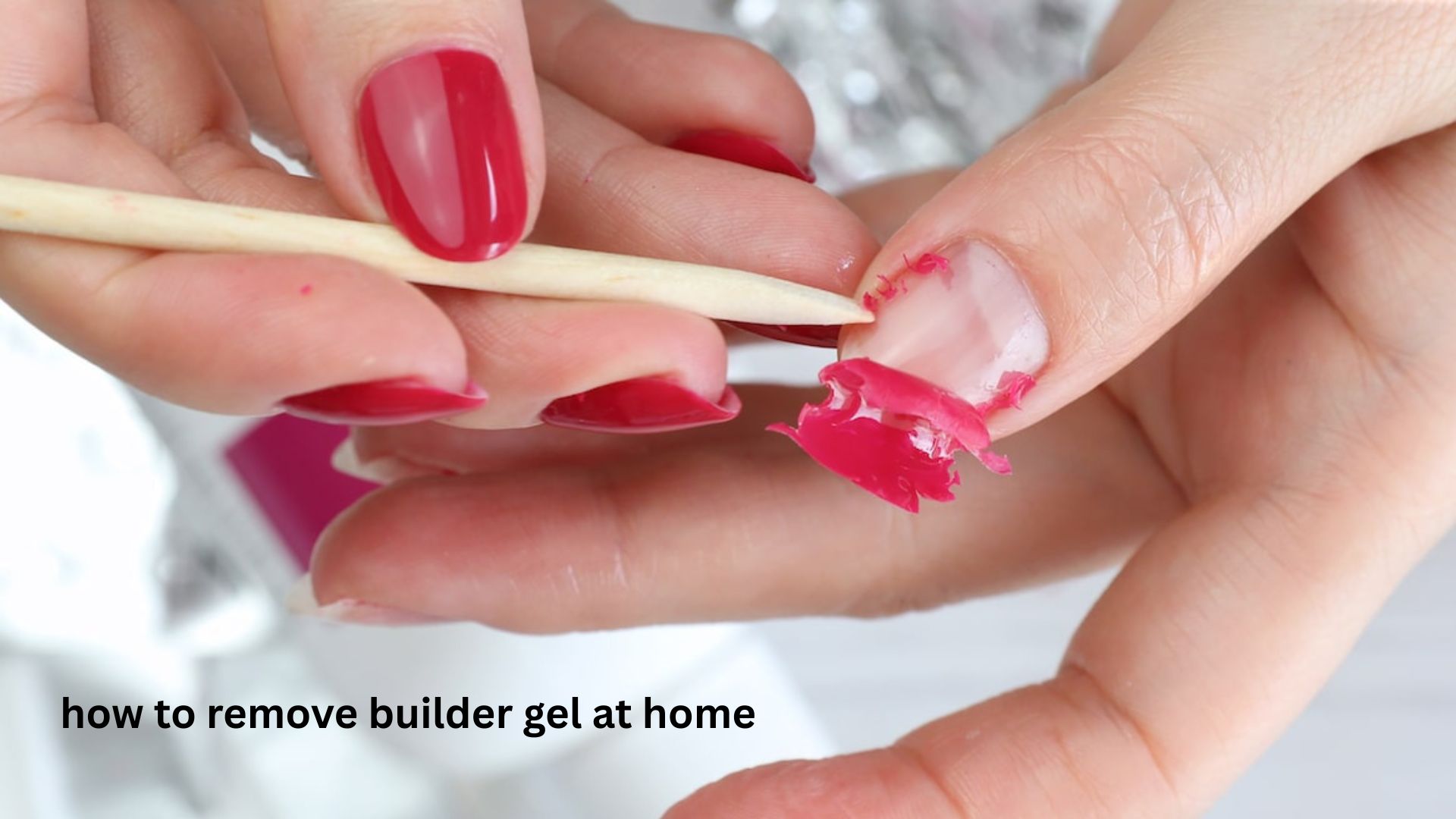
If you’ve ever looked at your builder gel nails after a few weeks and wondered whether you can remove them yourself, you’re not alone. Many people search for how to remove builder gel at home because salon appointments aren’t always convenient or affordable. The problem is that builder gel is much stronger than regular gel polish, so removing it the wrong way can leave your natural nails thin, sore, and damaged for weeks.
The good news is that builder gel can often be removed at home safely—provided you know what type of builder gel you’re wearing and use the right technique. Rushing the process, peeling the product off, or over-filing are the biggest reasons people experience nail damage.
This guide explains everything you need to know, from identifying your builder gel type to choosing the safest removal method. You’ll also learn common mistakes to avoid, practical aftercare tips, and expert advice that helps keep your natural nails healthy. Whether you’re removing builder gel for the first time or simply want a better method, this guide will help you do it with confidence and minimal damage.
What Is Builder Gel?
Builder gel is a thicker, stronger gel product designed to add structure and durability to natural nails. Unlike regular gel polish, it can strengthen weak nails, create extensions, or reshape the nail surface.
There are generally two categories:
- Soak-off builder gel: Designed to soften in acetone.
- Hard builder gel: Cannot dissolve in acetone and must be carefully filed away.
Knowing which type you have is the most important step before attempting removal.
How to Tell Which Builder Gel You Have
Many people begin removing builder gel without knowing its type, which often leads to frustration or nail damage.
You probably have soak-off builder gel if:
- Your nail technician mentioned BIAB (Builder in a Bottle).
- Previous removals involved acetone wraps.
- The product label says “soak-off.”
You likely have hard builder gel if:
- Acetone has never softened it.
- It was applied from a pot using a brush.
- It feels exceptionally thick and rigid.
If you’re unsure, try a small acetone test on one nail before filing aggressively.
Tools You’ll Need
Preparing everything beforehand makes the process much easier.
For soak-off builder gel:
- Pure acetone
- Cotton balls or cotton pads
- Aluminum foil
- Nail file (180 grit)
- Orangewood stick or cuticle pusher
- Cuticle oil
- Nail buffer
- Petroleum jelly (optional)
For hard builder gel:
- 100–180 grit nail file
- Fine buffer
- Nail dust brush
- Cuticle oil
Method 1: How to Remove Soak-Off Builder Gel at Home
This is the safest method for builder gels designed to dissolve.
Step 1: File Off the Top Coat
Builder gel usually has a shiny top layer that prevents acetone from penetrating.
Lightly file away only the shine.
Avoid filing into your natural nail.
Step 2: Protect Your Skin
Acetone is drying.
Apply petroleum jelly around your fingertips to protect the surrounding skin while leaving the nail surface exposed.
Step 3: Wrap Each Nail
Soak a cotton pad in acetone.
Place it directly on the nail.
Wrap tightly with aluminum foil.
Leave the wraps on for:
- 15–20 minutes initially
- Up to 30 minutes for thicker applications
Avoid checking every few minutes because removing the foil repeatedly slows the process.
Step 4: Gently Remove the Softened Gel
When you remove the foil, the builder gel should appear wrinkled or lifted.
Use a wooden stick or cuticle pusher to gently slide the softened gel away.
Never force stubborn sections.
If resistance remains, wrap the nail again for another 10–15 minutes.
Step 5: Buff Lightly
After removal, lightly buff any remaining residue.
Do not continue filing until the nail feels perfectly smooth if it means thinning your natural nail.
Step 6: Moisturize Immediately
Acetone removes natural oils.
Massage cuticle oil into each nail and surrounding skin.
Follow with a rich hand cream.
Method 2: Removing Hard Builder Gel
Hard builder gel cannot be soaked off.
Instead, it must be filed carefully.
Reduce the Thickness First
Using a 100 or 150 grit file, slowly reduce the bulk of the builder gel.
Work in one direction using gentle pressure.
Avoid rapid back-and-forth filing.
Leave a Thin Protective Layer
One professional technique that many people don’t realize is that you don’t always need to remove every trace of hard builder gel.
Many nail technicians intentionally leave an ultra-thin layer over the natural nail.
This acts as a protective barrier and reduces the chance of accidentally filing into healthy nail tissue.
If you’re planning another builder gel application soon, leaving this thin layer is often safer than complete removal.
Smooth the Surface
Once the builder gel is thin, switch to a finer buffer.
Smooth any rough areas without exposing the natural nail excessively.
Can You Peel Builder Gel Off?
No.
Peeling builder gel away is one of the fastest ways to damage your nails.
When the gel lifts, it usually takes layers of natural keratin with it.
This often causes:
- Thin nails
- White patches
- Splitting
- Increased sensitivity
- Weak nails that bend easily
Even if one corner starts lifting, resist the temptation.
How Long Does Builder Gel Removal Take?
The answer depends on the product.
| Builder Gel Type | Average Removal Time |
|---|---|
| Soak-off Builder Gel | 20–40 minutes |
| Thick BIAB | 30–45 minutes |
| Hard Builder Gel | 30–60 minutes |
| Professional E-file Removal | 15–25 minutes |
Rushing rarely saves time because damaged nails take weeks to recover.
Common Mistakes That Damage Natural Nails
Many nail problems happen during removal—not during wear.
Avoid these mistakes:
Filing Too Deep
Your natural nail should never become hot while filing.
Heat usually means you’re removing healthy nail layers.
Scraping Forcefully
Builder gel should lift easily after soaking.
If you’re scraping hard, soak longer.
Using Low-Quality Acetone
Some removers contain very little acetone.
Pure acetone works much faster.
Skipping Aftercare
Healthy nails recover much faster with daily hydration.
Cuticle oil makes a noticeable difference after repeated gel manicures.
Removing Gel Too Frequently
If you’re constantly removing and reapplying builder gel every week, your nails experience unnecessary stress.
Allow reasonable intervals between complete removals whenever possible.
How to Care for Your Nails After Removing Builder Gel
The first few days are important.
Hydrate Daily
Apply cuticle oil at least twice daily.
This restores flexibility and reduces brittleness.
Keep Nails Short
Shorter nails are less likely to split while recovering.
Use a Nail Strengthener Carefully
Choose strengthening treatments that support hydration rather than simply hardening the nail.
Overly rigid nails can crack more easily.
Wear Gloves During Cleaning
Cleaning chemicals dry nails significantly.
Simple household gloves help preserve moisture.
Take a Break If Needed
If your nails feel thin, allow one to three weeks before applying another enhancement.
Real-Life Scenario: Why Patience Matters
Imagine two people removing builder gel.
The first becomes impatient after ten minutes, peels the remaining gel away, and files aggressively. Their nails remain weak for over a month.
The second waits an extra fifteen minutes, re-wraps stubborn nails, removes the softened gel gently, and applies cuticle oil daily. Their nails remain smooth with minimal damage.
The difference isn’t expensive products—it’s patience.
Lesser-Known Tips That Make a Big Difference
Many online guides stop after explaining the removal process, but experienced nail technicians often pay attention to small details that protect nail health.
Warm Acetone Works Better
Slightly warming the acetone indirectly (never over an open flame or in a microwave) can help it soften soak-off builder gel more efficiently. Placing the acetone bottle in a bowl of warm water for a few minutes is generally sufficient. This can shorten soaking time without increasing damage.
Watch for White, Chalky Nails
If your nails appear chalky white after removal, it’s often temporary dehydration from acetone rather than permanent damage. Applying cuticle oil several times a day for a few days usually restores their normal appearance and flexibility.
Nail Thickness Matters More Than Appearance
Many people judge nail health by how shiny their nails look after buffing. In reality, preserving nail thickness is far more important. A slightly uneven nail that retains its natural layers is healthier than a perfectly smooth nail that’s been over-filed.
When Should You Visit a Professional Instead?
Home removal isn’t always the best option.
Consider professional removal if:
- Your builder gel is lifting unevenly.
- You feel pain while filing.
- The product won’t soften after multiple acetone wraps.
- Your nails are already damaged.
- You have very thick hard builder gel overlays.
Sometimes paying for safe removal costs less than repairing damaged nails later.
Signs Your Nails Are Healthy After Removal
Healthy nails should:
- Feel firm but flexible
- Have a smooth surface
- Show minimal peeling
- Not feel painful when pressed
- Grow normally over the following weeks
Minor dryness is common, but severe thinning is not.
FAQ
Can I remove builder gel at home without acetone?
Only if you have hard builder gel, which must be filed off carefully. Soak-off builder gel requires acetone to soften properly. Trying to remove soak-off gel without acetone usually leads to excessive filing and increases the risk of damaging your natural nails.
How do I know if my builder gel is soak-off or hard gel?
The easiest way is to ask your nail technician or check the product used. Soak-off builder gels soften in acetone after 20–30 minutes, while hard gels remain unaffected and require filing. If you’re uncertain, test one nail before starting full removal.
Why are my nails thin after removing builder gel?
Builder gel itself isn’t always the cause. Thin nails usually result from peeling the product off or filing too aggressively during removal. Proper removal techniques and regular cuticle oil can help your nails recover and prevent future damage.
Can I repaint my nails immediately after removing builder gel?
Yes, if your nails are healthy and undamaged. However, if they feel dry or sensitive, it’s worth waiting a few days while moisturizing them regularly. This gives your nails time to restore moisture before applying another product.
Is builder gel safer than acrylic nails?
Builder gel is generally considered more flexible than traditional acrylic, which may reduce the chance of cracking under everyday stress. However, both products can be worn safely when applied and removed correctly. Nail health depends far more on proper removal than on the enhancement itself.
How often should I completely remove builder gel?
Many nail professionals recommend only removing builder gel completely when necessary, such as for a fresh application, product change, or if lifting occurs. Frequent full removals can place unnecessary stress on natural nails. Maintenance fills are often a gentler option when the product is still in good condition.
Conclusion
Learning how to remove builder gel at home isn’t about finding the fastest method—it’s about choosing the safest one. Identifying your builder gel type, using the correct removal technique, avoiding force, and caring for your nails afterward can make all the difference. Healthy nails aren’t achieved through aggressive filing or quick fixes but through patience and proper care. By following the steps in this guide, you’ll protect your natural nails while removing builder gel effectively, leaving them stronger and ready for whatever manicure comes next.