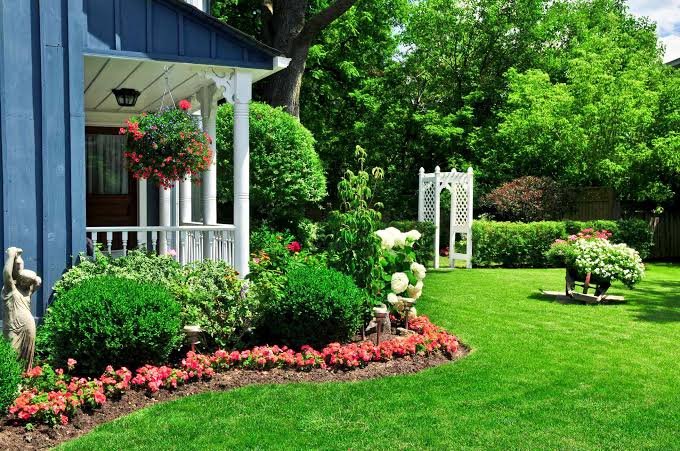
A front yard does not need an expensive makeover to look clean, welcoming, and well designed. In fact, some of the most effective cheap simple front yard landscaping ideas rely on basic materials, thoughtful planting, and a little weekend effort rather than a large landscaping budget.
The biggest mistake homeowners make is buying plants and decorative materials before deciding what the yard actually needs. That can quickly lead to wasted money, awkward layouts, and maintenance that becomes difficult to keep up with. A better approach is to start with the existing space, identify the areas that need improvement, and then choose affordable changes that create the biggest visual difference.
Whether you have a small suburban lawn, a narrow entrance, or a larger front yard, inexpensive landscaping can improve curb appeal without making the space look cheap. This guide covers practical ideas you can actually use, including low-cost edging, gravel, mulch, simple planting designs, walkway improvements, and easy ways to plan material quantities before purchasing.
Start With a Simple Front Yard Plan
Before spending money, walk around your front yard and look at it from the street.
Ask yourself:
- What looks unfinished?
- Which areas are difficult to maintain?
- Is the walkway easy to see?
- Does the house need more greenery near the entrance?
- Are there empty spaces that could use ground cover?
- Is too much lawn making the yard boring or expensive to maintain?
You do not need a professional landscape plan for a small project. A rough sketch showing the house, driveway, walkway, lawn, planting beds, and property boundaries can be enough to begin.
One useful principle is to improve one visual zone at a time. Instead of trying to transform the entire yard in one weekend, start with the area visitors see first.
1. Refresh Existing Garden Beds With Mulch
Adding fresh mulch is one of the easiest ways to make an older front yard look maintained.
Mulch can:
- Define planting areas.
- Cover exposed soil.
- Reduce the appearance of weeds.
- Help retain soil moisture.
- Create contrast around plants.
- Make inexpensive plants look more intentional.
You do not necessarily need to replace all your existing landscaping. Clean up the bed, remove obvious weeds, trim overgrown plants, and add a consistent layer of mulch.
This is a particularly useful trick when the plants themselves are healthy but the yard looks untidy.
Don’t Overdo the Mulch
More is not always better.
Avoid piling mulch directly against tree trunks or plant stems. A thick mound can create moisture-related problems and make the landscape look unnatural.
The goal is a neat, even planting bed rather than a mountain of mulch.
2. Use Gravel for Affordable Ground Cover
Gravel can be an excellent option when you want a low-maintenance area without installing expensive paving.
It works well around:
- Mailboxes
- Small trees
- Entry paths
- Decorative planting beds
- Drainage areas
- Small seating spaces
A gravel bed can also provide a strong visual contrast against green plants.
For larger projects, however, estimate the amount of material before buying. A project calculator such as the landscape material project calculator can help you work out material requirements instead of guessing and potentially purchasing too much or too little.
That simple step can make a noticeable difference to the final project cost.
3. Create a Clean Edge Around the Lawn
You do not always need expensive edging products to make a front yard look organized.
A clearly defined boundary between grass and a planting bed can dramatically improve curb appeal.
Possible approaches include:
- Simple plastic edging
- Metal edging
- Natural stone
- Bricks
- Pavers
- A carefully cut trench between lawn and bed
The important part is consistency.
A straight or gently curved edge makes the landscaping look deliberate, even if the plants and materials themselves are inexpensive.
A Simple DIY Edging Trick
For a basic garden-bed edge, mark the desired line first. Cut along the line with a spade or edging tool and remove the excess grass.
This creates a visual separation between lawn and garden without requiring a large material investment.
4. Plant in Groups Instead of Buying Many Different Plants
One common landscaping mistake is buying one of everything.
The result can look random rather than designed.
Instead, choose a small number of plant varieties and repeat them.
For example:
- Three similar shrubs near the entrance
- A row of the same low-growing plants along a walkway
- Groups of flowering plants around a tree
- Repeated ornamental grasses along the front edge
Repetition creates visual rhythm.
It also makes shopping easier because you can buy fewer varieties in larger quantities and create a more cohesive appearance.
5. Add a Small Tree as a Long-Term Investment
If your yard has enough space, one strategically placed tree can become the centerpiece of the landscape.
You do not need several mature trees to make an impact.
A young, appropriately selected tree can eventually provide:
- Shade
- Height
- Seasonal interest
- Privacy
- A stronger connection between the house and landscape
However, do not choose a tree based solely on appearance.
Consider its mature size, root behavior, sunlight requirements, climate suitability, and distance from buildings or utility lines.
A tree that looks inexpensive today can become an expensive problem if planted in the wrong location.
6. Replace a Small Patch of Lawn With a Low-Maintenance Bed
Grass can be expensive and time-consuming to maintain, particularly in areas where it struggles to grow.
If there is a difficult patch of lawn near the house, consider replacing it with a small planting bed.
You could use:
- Gravel
- Mulch
- Ground-cover plants
- Native plants
- Drought-tolerant plants
- Decorative stones
You do not need to remove half the lawn.
Even replacing a relatively small section can reduce mowing and create a stronger focal point.
7. Improve the Walkway Without Rebuilding It
A front walkway is one of the first things people notice when approaching a house.
If the existing walkway is structurally sound, you may not need to replace it.
Instead:
- Clean the surface.
- Remove weeds around the edges.
- Improve the surrounding planting beds.
- Add simple edging.
- Place low-growing plants along the route.
- Repair obvious cracks where practical.
Sometimes the walkway looks unattractive because the surrounding landscape is neglected rather than because the walkway itself is bad.
This is an important budget-saving distinction.
8. Use Native and Low-Maintenance Plants
Plants that naturally suit your local climate can reduce long-term maintenance.
Look for plants that match your area’s:
- Temperature range
- Rainfall
- Soil conditions
- Sun exposure
- Seasonal patterns
Native plants can also support local wildlife and often require less intervention once established.
Rather than choosing plants because they look attractive in a garden center, think about how they will perform in your actual front yard.
A cheap plant that dies after one season is not really cheap.
9. Make the Front Door the Focal Point
You can improve the appearance of an entire front yard by concentrating attention around the entrance.
Consider adding:
- Two matching planters
- A small planting bed
- Low shrubs
- Decorative stones
- A simple path border
- Seasonal flowers
Symmetry can be especially effective near a front door.
You do not need expensive decorations. Two inexpensive planters with healthy plants can create more impact than numerous unrelated ornaments.
10. Try a Simple Gravel-and-Plant Combination
One of the easiest low-cost landscaping styles is to combine gravel with plants.
A basic design could include:
House → planting bed → gravel border → lawn
The gravel defines the planting area while the plants provide color and texture.
This approach is particularly useful for homeowners who want a modern appearance without installing extensive hardscaping.
Before purchasing bulk gravel, calculate the approximate area and depth you need. Buying by visual guesswork is one of the easiest ways to end up with excess material.
11. Use Existing Materials Creatively
Before buying new landscaping products, inspect what you already have.
Old bricks, stones, containers, timber, or leftover pavers may be useful for small projects.
For example, unused bricks can potentially become:
- Garden-bed borders
- Small walkway accents
- A simple planting-area boundary
- Decorative transitions between surfaces
Reuse is not only cheaper; it can also give the landscape a more personal appearance.
The key is to avoid using too many unrelated materials. A yard can quickly look cluttered if every area has a different border or surface.
12. Add Height Without Spending Much
A front yard can feel flat when everything is the same height.
You can create depth by combining:
- Low ground cover
- Medium flowering plants
- Shrubs
- One or two taller plants
- A small ornamental tree
Think of the landscape as layers.
The lowest plants should generally sit closer to paths and lawn, while taller plants can be positioned farther back.
This simple arrangement can make a small yard appear more substantial.
13. Choose a Limited Color Palette
You do not need every flower color available.
A restrained palette often looks more expensive.
For example, choose:
- Green + white
- Green + purple
- Green + yellow
- Green + pink
Then repeat those colors throughout the front yard.
The same principle applies to hardscape materials. Using one primary stone or gravel type throughout the project can create visual consistency.
How to Keep a Landscaping Project Within Budget
A realistic budget starts with materials rather than inspiration.
Before shopping, divide the project into categories:
| Category | Examples |
|---|---|
| Plants | Shrubs, flowers, ground cover |
| Ground cover | Mulch, gravel, decorative stone |
| Edging | Brick, metal, plastic, stone |
| Tools | Spade, rake, wheelbarrow |
| Soil | Topsoil, compost, amendments |
| Finishing touches | Planters, simple décor |
Then decide which category deserves the most money.
For many budget projects, healthy plants and good preparation are more valuable than expensive decorations.
Calculate Materials Before You Buy
Material calculations become particularly important when working with mulch, soil, gravel, or decorative stone.
You generally need to consider:
Length × Width × Depth = Volume
The exact conversion depends on the material and the measurement units you use.
For example, a homeowner creating a gravel bed should determine the approximate square footage and desired depth before ordering material.
This is where a landscape material project calculator can be useful. Estimating quantities ahead of time helps reduce unnecessary purchases and makes it easier to compare the cost of different landscaping approaches.
Common Budget Landscaping Mistakes
Buying Too Many Plants
More plants do not automatically create better landscaping.
Give plants room to mature. A bed that looks slightly sparse when newly planted may look full after a year or two.
Ignoring Maintenance Costs
A project can be inexpensive to install but expensive to maintain.
Consider watering, pruning, mowing, replacement plants, and seasonal cleanup before choosing a design.
Using Too Many Materials
Combining gravel, several types of stone, bricks, timber, decorative objects, and multiple edging styles can make a small yard feel chaotic.
Choose two or three major materials and repeat them.
Choosing Plants Without Checking Their Mature Size
A small shrub at the garden center can eventually become a large plant.
Always consider its mature dimensions before placing it near windows, walkways, driveways, or the foundation.
A Simple Weekend Front Yard Makeover
If your budget and time are limited, focus on the highest-impact tasks.
Saturday Morning
- Remove weeds.
- Trim overgrown shrubs.
- Clean the walkway.
- Remove dead plants and debris.
- Define the planting-bed edges.
Saturday Afternoon
- Improve the soil where necessary.
- Plant a few carefully selected plants.
- Add mulch or another suitable ground cover.
- Arrange plants in groups rather than randomly.
Sunday
- Finish edging.
- Clean surrounding surfaces.
- Add one or two simple focal elements.
- Water new plants appropriately.
- Step back and inspect the yard from the street.
That last step matters more than it sounds.
Landscaping is viewed from a distance, so something that looks perfect while standing beside it may appear unbalanced from the road.
The Best Cheap Landscaping Idea Is Often Simplicity
A successful budget landscape is rarely about finding the cheapest possible version of every material.
It is about spending money where it creates the greatest visual and practical benefit.
A simple combination of healthy plants, clean edges, consistent ground cover, and a well-maintained walkway can outperform a much more expensive design filled with unnecessary features.
If you are planning a larger project, calculate material quantities before ordering, especially for bulk products such as mulch, gravel, soil, and decorative stone. Careful measurement can prevent waste and help you stay close to your original budget.
FAQ
What are the cheapest front yard landscaping ideas?
Some of the most affordable options include refreshing existing garden beds with mulch, creating clean lawn edges, grouping inexpensive plants, using gravel as ground cover, and improving an existing walkway rather than replacing it. Reusing suitable materials can reduce costs further. The best choice depends on your yard’s existing condition and local climate.
How can I landscape my front yard on a small budget?
Start with cleanup and organization before buying anything. Define planting beds, trim existing plants, improve the walkway, and then spend your remaining budget on a few plants and a consistent ground cover. Completing one attractive area at a time is usually more effective than spreading a small budget across the entire yard.
Is gravel cheaper than mulch for landscaping?
The answer depends on local material prices, installation depth, delivery costs, and how often the material needs replacing. Gravel can be useful for durable, low-maintenance areas, while mulch is often easier to install and can benefit planting beds. Calculate the required quantity before comparing prices so you are comparing the actual project cost rather than just the price per bag or unit.
How do I make a small front yard look better?
Focus on structure rather than adding lots of decorations. Use defined edges, repeated plants, a limited color palette, and different plant heights to create depth. Keeping the design simple often makes a small yard appear larger and more organized.
What should I plant in a low-maintenance front yard?
Choose plants that are well suited to your local climate, soil, and available sunlight. Native and drought-tolerant options can be particularly useful where appropriate. Before purchasing, check mature size and maintenance requirements so today’s inexpensive planting does not become tomorrow’s constant pruning job.
Conclusion
Creating an attractive front yard does not require a huge landscaping budget. The biggest improvements often come from simple decisions: defining edges, choosing plants carefully, using ground cover strategically, improving the entrance, and keeping the overall design consistent.
The most important lesson is to plan before purchasing. Measure the area, estimate the material quantities, consider long-term maintenance, and spend your money on changes that genuinely improve the space.
With a little preparation, even a basic front yard can become cleaner, more welcoming, and easier to maintain without turning landscaping into an expensive project.