
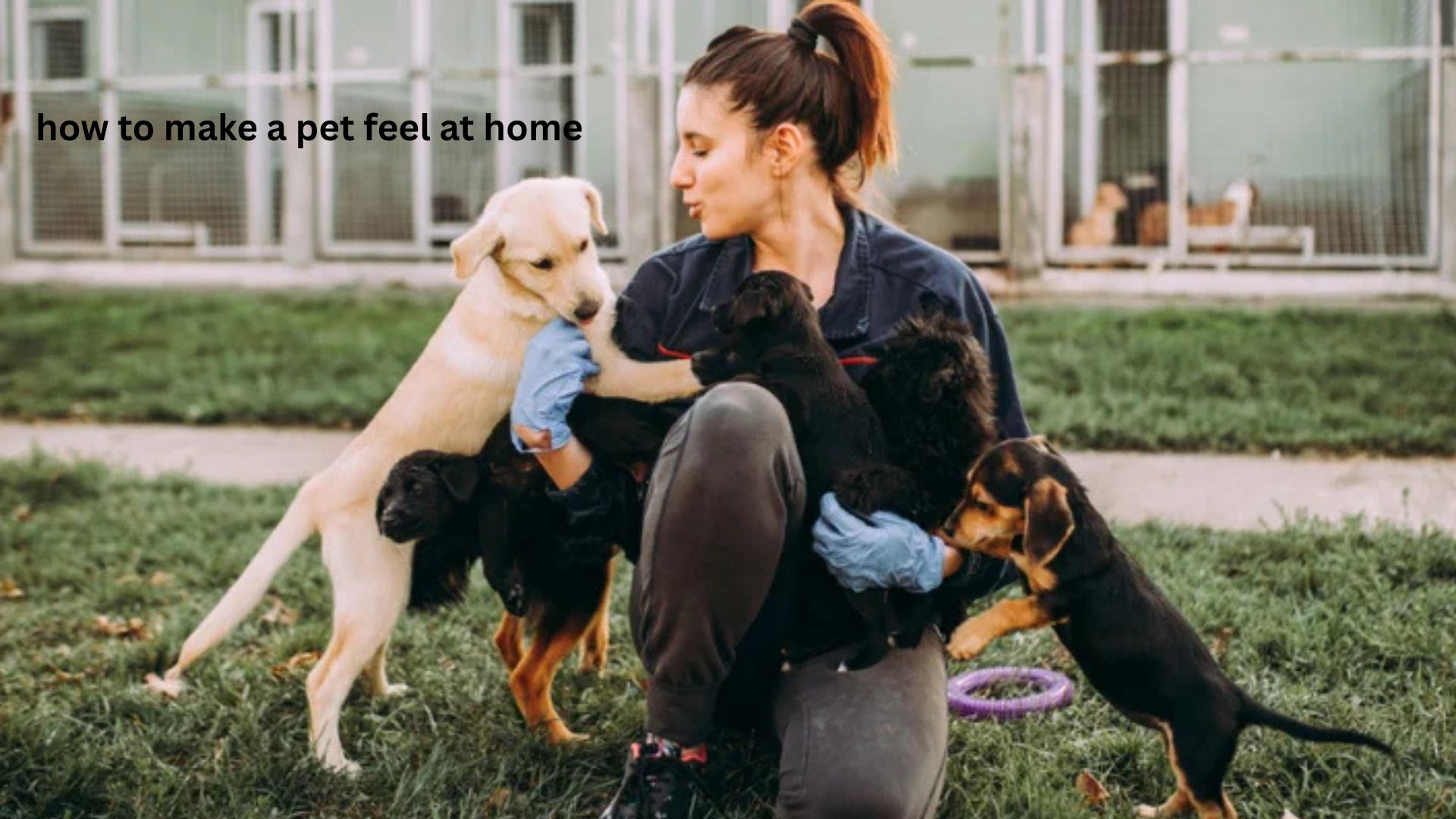
Bringing a new pet home is an exciting milestone, but it can also be overwhelming for your new companion. Whether you’ve adopted a playful puppy, a shy rescue cat, a curious rabbit, or another beloved animal, knowing how to make a pet feel at home can make all the difference in their emotional well-being and long-term happiness. Many pets experience confusion, fear, or anxiety during their first few days in an unfamiliar environment. Strange smells, new sounds, and unfamiliar people can leave them feeling uncertain.
The good news is that helping a pet settle in isn’t about buying expensive accessories or following complicated routines. It comes down to understanding how animals adjust to change, respecting their pace, and creating an environment where they feel safe enough to explore and build trust. This guide shares practical, experience-based advice that works for first-time pet owners and experienced animal lovers alike. You’ll learn what to expect during the adjustment period, how to avoid common mistakes, and simple habits that help pets develop confidence and feel like they’re truly part of the family.
Why the First Few Days Matter
The first 48 to 72 hours are often the most stressful period for a new pet. During this time, they’re learning:
- Where they are
- Who they can trust
- When they’ll be fed
- Whether they’re safe
- How the household operates
Many owners expect instant affection, but every pet adjusts differently. Some become comfortable within hours, while others may need several weeks.
One of the biggest mistakes new owners make is assuming that a quiet pet is already settled. In reality, many animals temporarily “shut down” because they’re overwhelmed. True comfort develops gradually as trust grows.
Create a Safe Space First
Every pet benefits from having one location they can call their own.
For dogs, this might be:
- A crate with the door open
- A cozy bed
- A quiet corner of the living room
For cats:
- A separate room at first
- A hiding spot
- A comfortable sleeping area away from heavy foot traffic
Small animals such as rabbits or guinea pigs also need secure enclosures where they can observe their surroundings without feeling threatened.
What makes a safe space effective?
- Comfortable bedding
- Fresh water nearby
- Familiar-smelling blanket if available
- Minimal loud noises
- No constant interruptions
Allow your pet to choose when they leave this area rather than forcing interaction.
Stick to a Predictable Routine
Animals thrive on consistency.
Try to keep these activities happening at roughly the same time every day:
- Feeding
- Bathroom breaks
- Walks
- Playtime
- Bedtime
A predictable schedule helps pets understand what comes next, reducing stress and uncertainty.
For example, if breakfast always comes after a morning walk, your dog quickly learns the pattern and feels more secure.
Cats especially appreciate routine and may become anxious if meal times constantly change.
Let Your Pet Explore Naturally
It can be tempting to introduce every room immediately.
Instead, allow exploration gradually.
Dogs
Walk them through the home calmly while supervising.
Cats
Limit them to one room initially, then slowly increase access over several days.
Small pets
Allow supervised exploration only after they’re comfortable in their enclosure.
Giving too much freedom too quickly can overwhelm rather than comfort them.
Use Calm, Positive Communication
Pets don’t understand every word you say—but they understand tone remarkably well.
Speak calmly.
Avoid:
- Shouting
- Sudden movements
- Punishment during adjustment
- Loud corrections
Instead, reward curiosity and relaxed behavior.
Simple praise like:
- “Good job.”
- “That’s okay.”
- “Come here.”
spoken gently helps establish trust.
Build Trust Before Expecting Affection
Many people hope their new pet will immediately cuddle, play, or seek attention.
Some do.
Many don’t.
Trust develops through consistent positive experiences.
Examples include:
- Offering treats
- Sitting quietly nearby
- Gentle play sessions
- Respecting personal space
- Letting the pet approach first
One valuable perspective that many owners overlook is this:
Your pet isn’t evaluating whether they like your home—they’re evaluating whether they feel safe with you.
That distinction changes how you approach every interaction.
Introduce Family Members Slowly
If multiple people live in the household, introductions should happen one at a time.
Encourage everyone to:
- Sit rather than stand over the pet
- Offer treats
- Allow sniffing
- Avoid hugging immediately
- Respect signs of nervousness
Young children should always be supervised around new pets.
Teaching children to wait for the pet to approach often leads to stronger long-term relationships.
Pay Attention to Body Language
Learning basic body language helps you respond before stress becomes fear.
Signs your pet is relaxing
- Soft eyes
- Normal eating
- Curious exploration
- Stretching
- Playing
- Sleeping comfortably
Signs of stress
- Hiding
- Panting without exercise
- Excessive grooming
- Trembling
- Refusing food
- Flattened ears
- Tail tucked tightly
Recognizing these signals allows you to adjust your approach instead of unintentionally increasing anxiety.
Make Mealtimes Positive
Food is one of the easiest ways to build positive associations.
Keep meals:
- Quiet
- Predictable
- Consistent
Avoid constantly changing food during the adjustment period unless medically necessary.
For nervous pets:
- Hand-feed a few pieces
- Offer treats after calm behavior
- Never force eating
If your pet skips one meal, don’t panic immediately. However, prolonged refusal to eat—especially accompanied by lethargy or illness—should be discussed with a veterinarian.
Keep Visitors to a Minimum
Everyone wants to meet the new family member.
Your pet probably doesn’t.
Large gatherings during the first week often delay adjustment.
Instead:
- Delay parties
- Limit guests
- Keep introductions short
- Allow the pet to retreat freely
Confidence grows faster in calm environments.
Enrichment Helps Pets Feel Secure
Mental stimulation isn’t just entertainment—it builds confidence.
Ideas include:
Dogs
- Food puzzles
- Sniffing games
- Gentle training
- Short walks
Cats
- Wand toys
- Climbing shelves
- Window viewing spots
- Puzzle feeders
Small animals
- Cardboard tunnels
- Safe chew toys
- Digging boxes
- Hideouts
An interesting observation from experienced pet owners is that confidence often grows through problem-solving. Successfully figuring out a puzzle toy or discovering a hidden treat can make a nervous pet feel more capable in their new surroundings.
Avoid These Common Mistakes
Even well-meaning owners sometimes slow their pet’s adjustment.
1. Giving too much attention
Constant cuddling may overwhelm an anxious pet.
2. Changing routines every day
Consistency builds security.
3. Punishing accidents
House training mistakes usually result from stress or unfamiliar surroundings.
4. Ignoring fear signals
Fear should be managed with patience, not discipline.
5. Introducing other pets too quickly
Gradual introductions prevent territorial conflicts.
Helping Rescue Pets Feel at Home
Rescue animals often require additional patience.
Some may have experienced:
- Neglect
- Multiple homes
- Shelter stress
- Limited socialization
These experiences don’t define their future, but they can influence how quickly trust develops.
Many rescue pets follow what’s often called the “3-3-3 adjustment guideline”:
- First 3 days: Feeling overwhelmed.
- First 3 weeks: Learning routines.
- First 3 months: Beginning to feel fully at home.
Every animal is unique, so treat this as a helpful framework rather than a strict timeline.
Introducing Existing Pets
Resident pets also experience change.
Successful introductions include:
- Separate spaces initially
- Scent swapping using blankets
- Short supervised meetings
- Positive reinforcement
- Individual attention for both pets
Avoid forcing interaction.
Sometimes peaceful coexistence develops before friendship.
Nighttime Tips for the First Week
The first few nights can be challenging.
Helpful strategies include:
- Keep bedtime consistent.
- Offer a comfortable sleeping area.
- Allow bathroom breaks before bed.
- Use a soft night light if needed.
- Avoid exciting play immediately before sleep.
Some puppies cry because they’re lonely, not because they’re misbehaving.
Responding calmly without creating dependency helps them gain confidence over time.
Real-Life Scenario
Imagine adopting a two-year-old rescue dog named Max.
On day one, Max hides under the dining table and barely eats.
Instead of forcing interaction, you:
- Leave fresh water nearby.
- Sit quietly while reading.
- Offer treats occasionally.
- Take short walks.
- Feed meals on schedule.
By day four, Max begins following you around.
By week two, he greets you at the door.
Nothing magical happened—consistent patience allowed trust to replace fear.
This gradual transformation is far more common than instant bonding.
Unique Insights That Many Owners Miss
Your home’s emotional atmosphere matters more than its size.
A small apartment with calm, predictable routines often feels safer than a large house filled with constant noise and activity. Pets respond strongly to emotional consistency.
Confidence grows through choice.
Allowing pets to decide when to approach, explore, or interact helps them develop genuine confidence. Forced affection may create hesitation, while voluntary interaction builds lasting trust.
Your scent becomes a source of comfort.
Over time, your pet associates your scent with food, safety, rest, and positive experiences. Leaving a recently worn T-shirt near a nervous pet’s sleeping area can sometimes provide reassurance during the adjustment period.
When to Seek Professional Help
Some adjustment challenges require expert guidance.
Consult a veterinarian or qualified animal behavior professional if your pet:
- Refuses food for an extended period.
- Shows aggressive behavior.
- Appears extremely fearful after several weeks.
- Injures themselves from anxiety.
- Experiences persistent digestive issues related to stress.
Early intervention often prevents small behavioral concerns from becoming long-term habits.
FAQ
How long does it take for a new pet to feel at home?
Every pet is different. Some settle within a few days, while others may need several weeks or even a few months, especially rescue animals. Patience, consistency, and positive interactions help speed up the adjustment process without causing unnecessary stress.
How can I make a rescue pet feel safe in a new home?
Start with a quiet, secure space and avoid overwhelming them with visitors or excessive attention. Follow a consistent routine for meals, walks, and bedtime. Let the pet approach you on their own terms while rewarding calm behavior with praise or treats.
Should I let my new pet sleep with me immediately?
It’s generally better to establish a consistent sleeping area first. This helps your pet develop independence and understand household routines. Once they’re fully adjusted, you can decide whether sleeping together fits your family’s preferences.
What should I do if my new pet won’t eat?
Stress commonly affects appetite during the first day or two. Offer food in a quiet location and avoid frequent changes to their diet. If your pet refuses food for an extended period or shows other signs of illness, contact your veterinarian promptly.
Is it normal for a new pet to hide all the time?
Yes, especially during the first few days. Hiding is often a natural response to unfamiliar surroundings rather than a sign of rejection. Give your pet space, avoid forcing interaction, and allow them to build confidence at their own pace.
Can too much attention make a new pet anxious?
Yes. Constant handling, loud excitement, or encouraging every family member to interact immediately can overwhelm some animals. Giving your pet opportunities to rest and approach people voluntarily usually creates stronger trust over time.
Conclusion
Learning how to make a pet feel at home isn’t about finding a single trick or buying the perfect product. It’s about creating a stable environment where your pet feels safe, understood, and respected. A quiet space, consistent routines, patient interactions, and careful observation of your pet’s body language all contribute to a successful transition.
Remember that trust cannot be rushed. Every positive interaction builds confidence, and every calm day helps your pet realize they’ve found a permanent, loving home. With patience and understanding, you’ll not only help your new companion settle in—you’ll lay the foundation for a lifelong bond built on security and mutual trust.