If you’ve been searching for how to set up my home decoradtech, chances are you’re trying to create a home that feels both beautiful and functional. Whether you’ve just moved into a new house, want to refresh your living space, or are experimenting with modern decorating ideas, the process can quickly become overwhelming. Choosing furniture, matching colors, organizing rooms, and balancing style with practicality often leaves homeowners unsure where to begin.
The good news is that creating a well-designed home doesn’t require an interior design degree or a massive budget. What it does require is a thoughtful approach that combines personal taste with smart planning. Instead of buying random decorative pieces or following every online trend, you can build a home that reflects your personality while remaining comfortable and practical for everyday living.
This guide explains how to set up my home decoradtech step by step, covering everything from planning your space to selecting furniture, lighting, color schemes, storage solutions, and finishing touches. Along the way, you’ll also learn practical techniques professional designers use, common decorating mistakes to avoid, and several lesser-known strategies that can dramatically improve the overall feel of your home.
What Does Home Decoradtech Mean?
Although the term home decoradtech isn’t widely standardized, it’s commonly understood as combining thoughtful home décor with practical design techniques and modern living solutions.
Rather than focusing only on appearance, decoradtech emphasizes:
- Functional room layouts
- Coordinated color palettes
- Comfortable furniture placement
- Smart storage
- Balanced lighting
- Personal decorative elements
- Long-term usability
The goal is simple: create a home that’s attractive, organized, and enjoyable to live in every day.
Start With a Clear Vision
One of the biggest decorating mistakes is buying furniture before deciding on an overall style.
Before purchasing anything, ask yourself:
- How do I want my home to feel?
- Calm and relaxing?
- Bright and energetic?
- Elegant and luxurious?
- Cozy and welcoming?
Write down three words that describe your ideal home.
For example:
- Comfortable
- Modern
- Warm
These words become your design filter whenever you shop.
Understand Your Space Before Decorating
Professional decorators spend considerable time studying a room before adding furniture.
Take measurements of:
- Wall length
- Ceiling height
- Doorways
- Windows
- Existing electrical outlets
Also observe:
- Natural sunlight throughout the day
- Walking paths
- Areas that already feel crowded
- Empty spaces needing attention
This planning prevents expensive decorating mistakes later.
Choose a Consistent Design Style
You don’t have to copy a magazine.
Instead, choose one primary decorating style and add small personal touches.
Popular styles include:
Modern
- Clean lines
- Neutral colors
- Minimal accessories
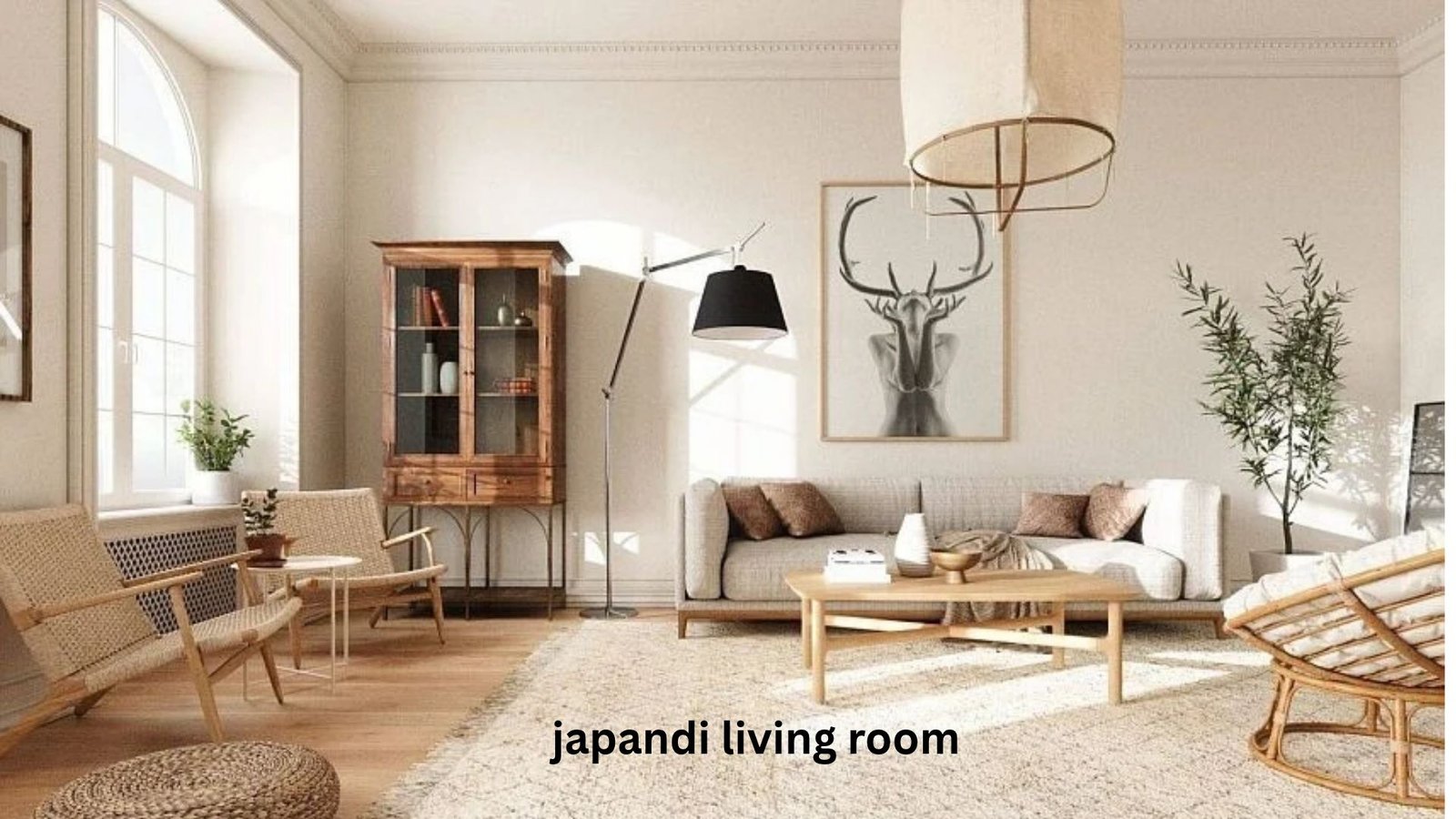
Scandinavian
- White walls
- Light wood
- Functional furniture
- Cozy textiles
Farmhouse
- Natural wood
- Soft colors
- Vintage accents
- Comfortable seating
Industrial
- Metal finishes
- Exposed materials
- Dark color accents
- Simple furniture
Contemporary
- Current trends
- Curved furniture
- Mixed textures
- Flexible layouts
Consistency makes even inexpensive homes look professionally designed.
Create a Balanced Color Palette
Color influences mood more than most people realize.
A simple decorating formula is:
- 60% dominant color
- 30% secondary color
- 10% accent color
Example:
- Warm white walls
- Beige furniture
- Dark green accessories
Avoid introducing too many unrelated colors into one room.
Instead, repeat the same accent shades throughout your home to create visual flow.
Invest in Furniture That Fits Your Lifestyle
Furniture should solve problems—not create them.
Consider:
- Daily routines
- Family size
- Pets
- Children
- Guests
- Storage needs
For example:
A large sectional sofa may look attractive but can overwhelm a small living room.
Likewise, oversized dining tables often make movement difficult.
Always measure before purchasing.
Master Furniture Placement
Professional-looking rooms rarely happen by accident.
Some useful rules include:
Living Room
- Anchor seating around one focal point.
- Leave enough walking space.
- Avoid pushing every piece against the wall.
Bedroom
- Position the bed where it naturally becomes the focal point.
- Leave space beside both sides if possible.
- Add bedside tables for balance.
Dining Room
Allow comfortable walking room around chairs.
A crowded dining area quickly feels uncomfortable.
Layer Lighting Properly
Many homes rely on one ceiling light.
That creates flat, uninviting spaces.
Instead, combine three lighting types:
Ambient Lighting
General room lighting.
Examples:
- Ceiling fixtures
- Recessed lights
Task Lighting
Used for activities.
Examples:
- Reading lamps
- Desk lights
- Kitchen under-cabinet lighting
Accent Lighting
Adds atmosphere.
Examples:
- Wall sconces
- Shelf lighting
- Decorative table lamps
Layering light creates depth that expensive furniture alone cannot achieve.
Use Textures Instead of Too Many Decorations
One overlooked decorating trick is replacing clutter with texture.
Combine:
- Linen
- Cotton
- Wool
- Wood
- Glass
- Stone
- Metal
Even neutral rooms become visually interesting when different textures work together.
This approach feels sophisticated without looking busy.
Decorate Room by Room
Trying to decorate an entire house at once often leads to inconsistent results.
Instead:
Living Room
Focus on:
- Comfortable seating
- Coffee table
- Area rug
- Lighting
- Wall décor
Bedroom
Prioritize:
- Comfortable bedding
- Soft lighting
- Organized storage
- Minimal decorations
Kitchen
Keep countertops mostly clear.
Display only frequently used or attractive everyday items.
Bathroom
Small upgrades can make a huge difference:
- Matching towels
- Storage baskets
- Coordinated containers
- Simple greenery
Smart Storage Is Part of Good Design
Beautiful homes are usually organized homes.
Look for hidden storage opportunities:
- Storage ottomans
- Bed drawers
- Floating shelves
- Decorative baskets
- Vertical cabinets
Less visible clutter immediately improves a room’s appearance.
Add Personality Without Creating Clutter
A home should reflect the people living there.
Choose meaningful items instead of buying random decorations.
Examples include:
- Travel souvenirs
- Handmade crafts
- Family heirlooms
- Favorite books
- Personal collections
Limit decorative objects to pieces that truly matter.
This creates a home with character instead of one that feels like a showroom.
The 80% Rule: A Designer’s Secret
One useful design principle rarely discussed is the 80% rule.
Instead of filling every shelf, wall, or corner, aim to decorate only about 80% of the available space.
Leaving intentional empty areas:
- Makes rooms feel larger.
- Highlights important decorative pieces.
- Creates a calmer atmosphere.
- Reduces visual stress.
Sometimes what you leave out matters as much as what you include.
Think About Movement Through the Home
Many people decorate while standing still.
Professional designers think about movement.
Walk through each room.
Ask yourself:
- Is there enough walking space?
- Does furniture block natural pathways?
- Can guests move comfortably?
- Are frequently used items easy to reach?
Improving flow often transforms a room without purchasing anything new.
Decorate in Layers Over Time
Another uncommon but valuable insight is to avoid finishing everything immediately.
Many professionally designed homes evolve over months rather than days.
Start with:
- Walls
- Large furniture
- Rugs
- Lighting
- Curtains
- Decorative accessories
Living in the space helps you discover what it truly needs instead of buying unnecessary items.
Common Decorating Mistakes to Avoid
Avoid these frequent errors:
- Buying furniture before measuring.
- Matching every piece exactly.
- Using only overhead lighting.
- Hanging artwork too high.
- Ignoring storage.
- Following trends without considering your lifestyle.
- Filling every corner with decorations.
- Choosing appearance over comfort.
- Using rugs that are too small.
- Forgetting about room flow.
Correcting just a few of these mistakes can dramatically improve your home.
Budget-Friendly Ways to Improve Your Home
You don’t need an expensive renovation.
Simple upgrades include:
- Rearranging furniture
- Painting walls
- Replacing old cushions
- Updating curtains
- Adding mirrors
- Improving lighting
- Organizing shelves
- Using decorative storage baskets
- Introducing indoor plants
- Replacing outdated hardware
Many homeowners notice significant improvements with only a modest budget.
Real-Life Decorating Scenario
Imagine a small apartment living room that feels cramped and disorganized.
Instead of purchasing new furniture immediately:
- Remove unnecessary decorations.
- Move the sofa away from the wall slightly.
- Add a larger rug.
- Introduce a floor lamp.
- Use one consistent accent color.
- Replace several small decorations with one statement piece.
These relatively simple adjustments can make the room appear larger, brighter, and more intentional without requiring a complete redesign.
How to Maintain Your Home Decor
A beautiful home isn’t created once—it’s maintained consistently.
Monthly habits include:
- Declutter surfaces.
- Rotate seasonal accessories.
- Clean fabrics regularly.
- Check lighting.
- Refresh flowers or greenery.
- Donate unused decorative items.
- Rearrange accessories occasionally.
Small maintenance routines help your home continue feeling fresh throughout the year.
FAQ
How do I set up my home decoradtech on a limited budget?
Start with planning rather than shopping. Rearrange your existing furniture, declutter your rooms, and focus on inexpensive improvements like paint, lighting, textiles, and storage solutions. Buying slowly allows you to invest in better-quality pieces over time instead of making costly impulse purchases.
What’s the best order to decorate a home?
Begin with the largest elements first, including wall colors, flooring, and furniture. After those are in place, add lighting, rugs, curtains, artwork, and decorative accessories. This layered approach creates a balanced and cohesive design while reducing unnecessary purchases.
How can I make a small home look bigger?
Use light colors, maximize natural light, choose furniture that fits the room, and avoid overcrowding the space. Keeping walkways clear and leaving intentional empty areas also helps rooms feel larger and more open without changing the layout.
Should every room have the same decorating style?
Not necessarily, but maintaining a consistent overall theme helps your home feel connected. You can vary colors, textures, and decorative details while repeating certain design elements throughout the house to create visual harmony.
How often should I update my home décor?
Major changes aren’t necessary every year. Instead, refresh your space seasonally by changing cushions, throws, decorative accents, or artwork placement. Investing in timeless furniture and making smaller updates keeps your home feeling current without frequent renovations.
Conclusion
Learning how to set up my home decoradtech isn’t about following strict design rules or spending large amounts of money. It’s about understanding your space, choosing pieces that suit your lifestyle, and creating an environment that feels comfortable, organized, and uniquely yours.
By planning before buying, using balanced colors, layering lighting, improving room flow, and decorating gradually, you can build a home that remains functional and visually appealing for years to come. Remember that the most successful interiors reflect the people who live in them—not just the latest trends. Focus on thoughtful choices, and your home will naturally become a place where style and everyday comfort work together.