
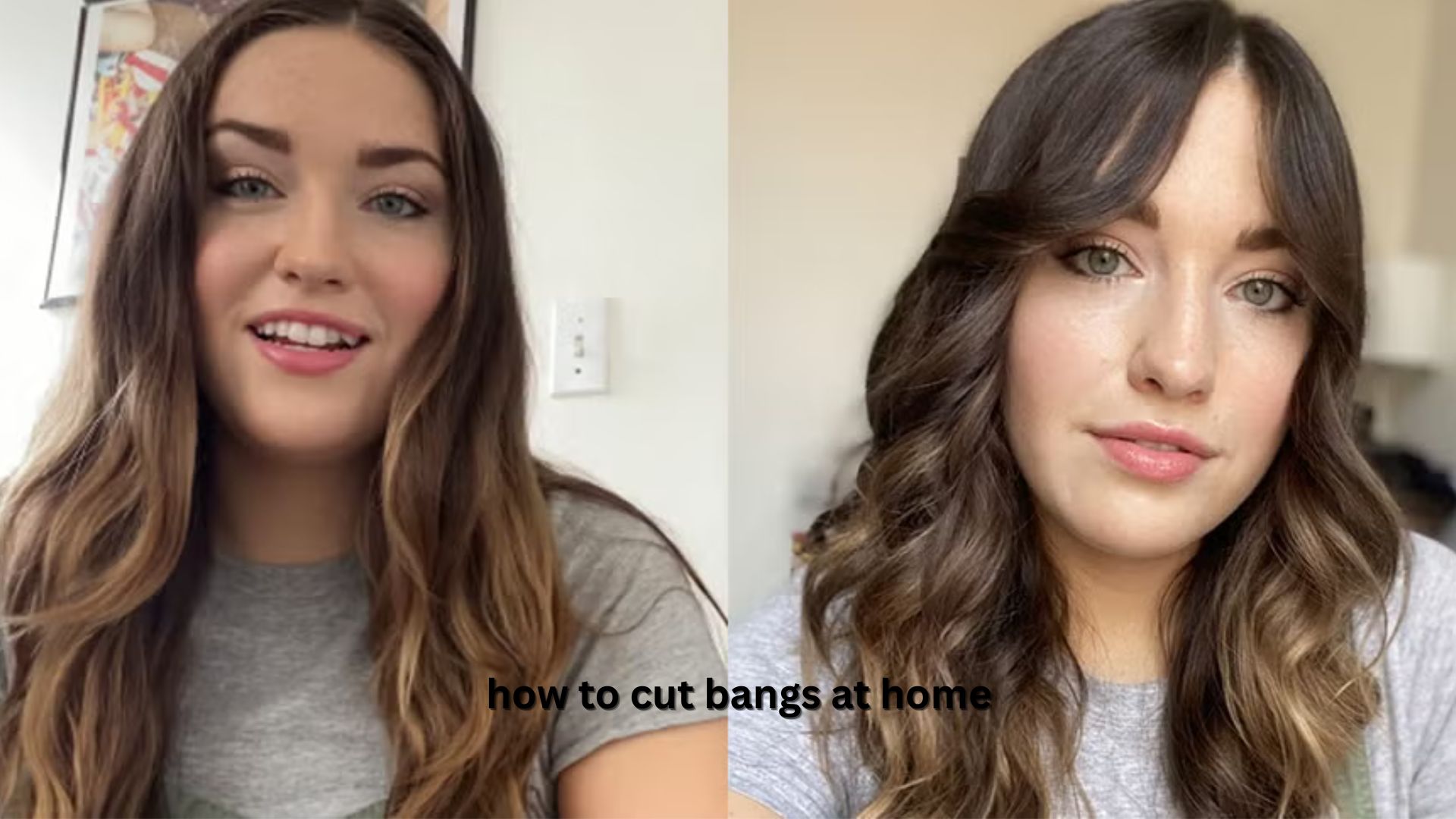
Few hair decisions feel as exciting—or as risky—as cutting your own bangs. One moment you’re inspired by a fresh new look, and the next you’re standing in front of the bathroom mirror wondering if you should really pick up the scissors. Learning how to cut bangs at home can save time and money, but it can also go wrong quickly if you rush or use the wrong technique.
The good news is that you don’t need professional salon experience to achieve neat, flattering bangs. What you do need is patience, the right tools, and an understanding of how different bang styles work with your face shape and hair texture. Most DIY haircut mistakes happen because people cut too much hair, work on soaking wet strands, or trim in one straight line without considering how the hair will naturally fall.
This guide walks you through every step—from choosing the right bang style to fixing small mistakes without panic. You’ll also learn practical tips used by hairstylists, common pitfalls to avoid, and subtle techniques that create softer, more natural-looking results. Whether you’re trimming existing bangs or creating them for the first time, you’ll be able to approach the process with confidence instead of guesswork.
Should You Cut Bangs at Home?
Yes—but only if you’re realistic about your expectations.
A simple bang trim or creating soft curtain bangs is usually manageable for beginners. However, dramatic style changes or highly textured cuts are still easier to achieve with a professional stylist.
Home cutting works best if you:
- Have sharp haircutting scissors
- Can work in good lighting
- Have enough time to go slowly
- Are comfortable making gradual adjustments
Avoid cutting your bangs if you’re in a hurry or making an emotional decision after a stressful day. Many haircut regrets come from impulsive choices rather than poor technique.
What You’ll Need
Gather everything before making the first cut.
Essential tools include:
- Hair-cutting scissors (never kitchen or craft scissors)
- Fine-tooth comb
- Hair clips
- Spray bottle with water
- Mirror with good lighting
- Blow dryer
- Round brush (optional)
Professional haircutting scissors produce cleaner edges, reducing split ends and uneven cuts.
Choose the Right Bang Style
Not every style suits every hair type.
Straight Bangs
Best for:
- Straight hair
- Medium to thick density
- Oval or long face shapes
These require the most maintenance because even small uneven cuts become noticeable.
Curtain Bangs
Ideal for:
- Beginners
- Wavy hair
- Thick hair
- Growing out bangs later
Curtain bangs are forgiving because they naturally blend into the rest of the haircut.
Wispy Bangs
Perfect if you have:
- Fine hair
- Thin hair
- Softer facial features
They require less hair and create a lighter appearance.
Side-Swept Bangs
Good for:
- Round faces
- First-time bang wearers
- Low-maintenance styling
They’re also easier to grow out than blunt bangs.
Prepare Your Hair Correctly
Preparation matters almost as much as the cutting itself.
Wash First
Hair should be clean and free of styling products.
Heavy oils or hairspray can change how the hair falls.
Dry Almost Completely
One of the biggest professional secrets is this:
Avoid cutting soaking wet bangs.
Wet hair stretches. As it dries, it springs upward, often leaving bangs much shorter than expected.
Instead:
- Blow dry completely for straight hair.
- Let curly or wavy hair dry naturally if you usually wear it that way.
- Lightly mist only if you need better control.
This simple adjustment prevents many DIY disasters.
Section Your Hair Properly
Don’t pull random pieces from your hairline.
Instead:
- Find the highest point where your head begins to curve.
- Create a small triangle.
- Comb the triangle forward.
- Clip remaining hair away.
Starting with a smaller triangle is safer.
You can always add more hair later.
You cannot easily put it back.
Step-by-Step: How to Cut Bangs at Home
Step 1: Decide the Length
Start longer than your final goal.
Aim for approximately:
- Nose bridge
- Eyebrows
- Slightly below eyebrows
Longer bangs are much easier to shorten than overly short ones are to disguise.
Step 2: Comb Naturally
Don’t stretch the hair tightly.
Hair under tension appears longer.
Release it, and suddenly your bangs become much shorter.
Comb gently and allow the hair to rest naturally.
Step 3: Cut Small Sections
Rather than making one large cut:
- Divide hair into three small sections.
- Cut slowly.
- Compare both sides often.
This improves symmetry.
Step 4: Point Cut Instead of Blunt Cutting
Professional stylists rarely cut straight across.
Instead:
Hold scissors vertically.
Make tiny snips upward into the ends.
This technique is called point cutting.
Benefits include:
- Softer finish
- More natural movement
- Easier styling
- Less obvious mistakes
This is one of the easiest ways to make home-cut bangs resemble salon work.
Step 5: Check While Standing Naturally
After each few cuts:
- Shake your head.
- Blink naturally.
- Smile.
- Relax your eyebrows.
Facial expressions slightly change where bangs sit.
Checking from a natural posture helps reveal uneven areas.
How to Cut Curtain Bangs
Curtain bangs follow a different process.
- Create your triangle section.
- Split hair down the middle.
- Twist one side lightly.
- Cut diagonally downward.
- Repeat on the opposite side.
- Blend gently with point cutting.
Keep the center slightly shorter while gradually increasing length toward the cheeks.
How to Trim Existing Bangs
Maintenance is much easier than creating new bangs.
For trimming:
- Dry and style bangs first.
- Trim only a few millimeters.
- Use point cutting.
- Stop frequently.
Most people remove too much because they continue “fixing” tiny imperfections.
Often, stopping earlier creates the better result.
Common Mistakes to Avoid
Cutting Too Much at Once
Always trim less than you think.
Hair cannot be glued back.
Using Household Scissors
Dull scissors bend hair before cutting.
This creates uneven edges and damages strands.
Pulling Hair Down Too Tightly
Natural movement disappears when hair is stretched.
Release it before judging the length.
Ignoring Hair Texture
Curly hair shrinks significantly after drying.
Wavy hair moves differently than straight hair.
Always cut according to how you normally wear it.
Trying to Achieve Perfect Symmetry
Faces aren’t perfectly symmetrical.
Slight variations usually look more natural than obsessively matching every strand.
How Hair Texture Changes the Process
Straight Hair
Every cut is visible.
Take extra time.
Wavy Hair
Expect natural movement.
Perfectly straight lines often appear uneven once waves form.
Curly Hair
Cut curls dry whenever possible.
Each curl contracts differently.
Small adjustments work best.
Thick Hair
Remove weight gradually.
Heavy bangs can overwhelm your face.
Layering softly prevents a bulky appearance.
Fine Hair
Avoid taking too much hair into the bang section.
Thin hair looks fuller when fewer strands are cut strategically.
How to Fix Bangs That Are Too Short
Don’t panic.
Most mistakes become far less noticeable after a week or two.
Try:
- Styling sideways
- Adding texture spray
- Creating a center part
- Wearing curtain-style separation
- Using a small round brush while blow drying
Avoid cutting even more.
Trying to “fix” short bangs often makes the situation worse.
Professional Tips That Make a Big Difference
Experienced hairstylists rely on small habits rather than dramatic techniques.
Here are a few that beginners rarely know:
Stop Every Minute
Walk away from the mirror for 30 seconds.
Fresh eyes notice uneven sections better than staring continuously.
Use Less Hair Than You Think
Many DIY tutorials recommend large sections.
Professionals often begin smaller and expand only if necessary.
This produces softer, more versatile bangs.
Cut Over Multiple Sessions
One overlooked trick is to spread the haircut across two or three short sessions instead of finishing everything at once. Hair settles after washing, sleeping, and styling, giving you a better sense of what actually needs adjusting. This approach dramatically reduces the chance of overcutting.
When You Should See a Professional Instead
DIY bangs aren’t suitable for every situation.
Book a stylist if you want:
- Major style transformation
- Razor-cut bangs
- Complex layering
- Very curly precision bangs
- Corrective work after severe mistakes
Sometimes professional experience saves more time and frustration than repeated home corrections.
Caring for Your Bangs After Cutting
Fresh bangs need regular maintenance.
Helpful habits include:
- Wash bangs more often than the rest of your hair if they become oily.
- Blow dry immediately after washing.
- Sleep with bangs brushed into place.
- Trim lightly every three to six weeks.
- Avoid touching them throughout the day, as natural oils from your hands transfer quickly.
Consistent care keeps bangs looking intentional rather than overgrown.
FAQ
Is it better to cut bangs on wet or dry hair?
For most people, dry or nearly dry hair is the safest choice. Wet hair stretches and often appears longer than it will once dry, which can lead to accidentally cutting bangs too short. If you have very thick hair, a light mist of water can improve control, but avoid soaking it.
How often should I trim my bangs at home?
Most bangs benefit from a trim every three to six weeks, depending on how fast your hair grows. Soft curtain bangs can usually go a little longer, while blunt bangs often need more frequent maintenance. Trimming small amounts regularly is easier than making large corrections later.
Can beginners safely cut curtain bangs?
Yes. Curtain bangs are one of the most beginner-friendly styles because they blend naturally into the rest of your hair. Even if they’re not perfectly even, their soft shape makes small imperfections less noticeable. Take your time and cut gradually.
What if I accidentally cut my bangs too short?
Don’t rush to cut more hair in an attempt to even them out. Experiment with side-swept styling, a center part, or a little texturizing product while waiting for them to grow. Most overly short bangs become much easier to manage after a couple of weeks.
Which scissors should I use to cut bangs?
Always use sharp haircutting scissors designed specifically for hair. Household scissors often crush or bend the hair before cutting, creating uneven ends and increasing the risk of split ends. A quality pair of hair scissors gives you much more control and cleaner results.
Conclusion
Learning how to cut bangs at home isn’t about copying salon techniques perfectly—it’s about making careful, informed decisions that suit your hair type, face shape, and personal style. By starting with small sections, cutting gradually, and using methods like point cutting instead of blunt trimming, you greatly reduce the risk of common mistakes.
One of the biggest lessons professionals follow is simple: you can always cut more, but you can’t undo a cut that’s too short. Working slowly, checking your progress often, and letting your hair settle before making further adjustments leads to far better results than chasing perfection in a single session.
With patience, the right tools, and realistic expectations, home bang trims can become an easy part of your regular hair care routine rather than a source of stress.
Meta Description:
Learn how to cut bangs at home safely with this detailed step-by-step guide. Discover expert tips, avoid common mistakes, and achieve natural-looking results.