When you are trying to make a home feel better, the hardest part is often not finding ideas—it is deciding which ideas actually make sense for your space, budget, and daily routine. That is where Homecrux can be useful. The platform focuses on home design, interiors, architecture, décor, furniture, technology, and practical ideas for improving living spaces.
At first glance, Homecrux may look like another source of attractive interior inspiration. But its real value becomes clearer when you use it as a research tool rather than simply scrolling through design ideas. A kitchen renovation, for example, involves very different questions from choosing a sofa or planning a small apartment. You need to think about measurements, storage, maintenance, materials, lighting, comfort, and long-term usability—not just appearance.
This guide explains what Homecrux is, what kind of information you can expect from it, how to use its content effectively, and where readers should be careful when turning inspiration into real-world decisions. It also offers practical ways to move from “That looks great” to “That will actually work in my home.”
What Is Homecrux?
Homecrux is a home-focused digital publication covering subjects related to interior design, architecture, home décor, furniture, lifestyle, smart-home ideas, and residential spaces.
Its content can be useful to several types of readers:
- Homeowners planning renovations
- Renters looking for practical decorating ideas
- Interior design enthusiasts
- Architects and designers seeking inspiration
- People researching furniture and décor
- Readers interested in unusual homes and architecture
- Anyone trying to improve a small or awkward space
The important distinction is that a design publication is primarily an idea and information resource. It should not automatically be treated as a substitute for an architect, contractor, structural engineer, electrician, or other qualified professional.
That distinction matters because an attractive design solution may not be appropriate for every building.
What Topics Does Homecrux Cover?
Homecrux covers a broad range of home-related subjects rather than concentrating on one narrow design style.
Interior Design and Home Décor
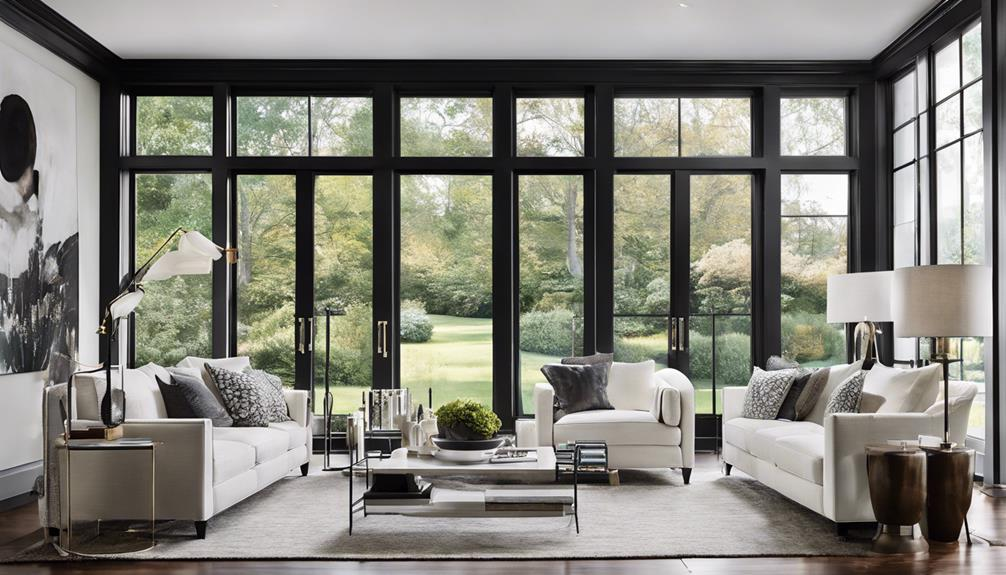
Interior-related content can help readers explore different approaches to living rooms, bedrooms, kitchens, bathrooms, dining areas, and other parts of the home.
Useful inspiration often includes:
- Furniture arrangements
- Color combinations
- Decorative styles
- Storage solutions
- Lighting concepts
- Material choices
- Space-saving ideas
- Minimalist and contemporary interiors
The best way to use this type of content is to identify the principle behind an idea, rather than attempting to copy an entire room.
For example, a compact apartment might benefit from the same vertical-storage principle used in a much larger home, even though the furniture and finishes need to be completely different.
Architecture and Unusual Homes
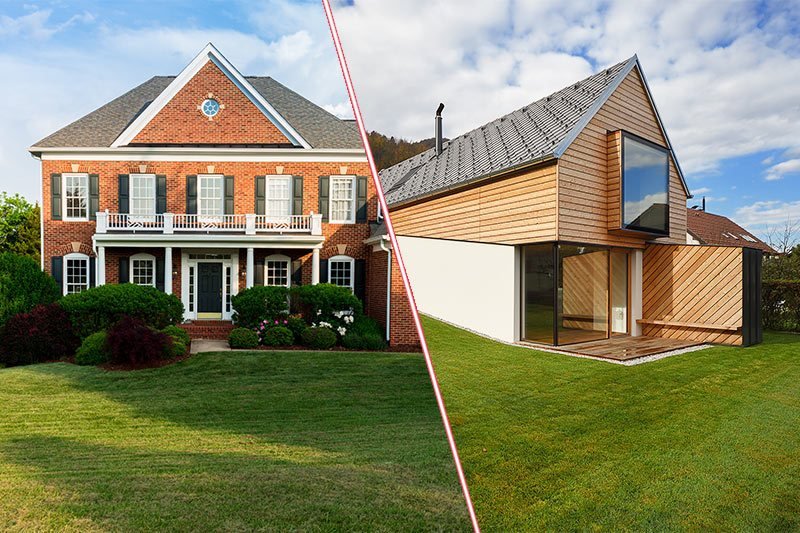
Architecture is another important area because readers often want to understand how unusual buildings solve practical problems.
A distinctive home may use:
- Unconventional floor plans
- Small footprints
- Adaptive reuse
- Passive design principles
- Indoor-outdoor connections
- Unusual materials
- Clever circulation
- Multi-purpose rooms
These examples are valuable because they demonstrate possibilities that conventional room-planning advice may overlook.
However, unusual architecture should be studied critically. A dramatic design may depend on a particular climate, site, structural system, or construction budget.
Furniture and Product Ideas
Furniture has a surprisingly large effect on how usable a room becomes.
A sofa, table, bed, shelving system, or storage unit has to perform a practical function before it becomes a decorative feature.
When researching furniture ideas, consider:
- Dimensions — Will it physically fit?
- Movement — Can people walk around it comfortably?
- Durability — Will the material tolerate everyday use?
- Maintenance — How difficult is it to clean?
- Proportion — Does it suit the scale of the room?
- Flexibility — Can the piece serve more than one purpose?
This approach prevents a common mistake: buying something because it looks impressive in a photograph without checking whether it works in real life.
How to Use Homecrux for a Real Home Project
The most effective approach is to use Homecrux during the research stage of a project.
Suppose you want to redesign a small living room.
Instead of searching randomly, start with your actual problem:
“My living room feels crowded and has limited storage.”
Then research ideas around:
- Small living rooms
- Compact furniture
- Hidden storage
- Multi-functional furniture
- Vertical storage
- Space-efficient layouts
Create a shortlist of ideas that appear repeatedly.
Next, separate them into three categories:
Definitely useful: Ideas that solve a problem you already have.
Potentially useful: Ideas that might work after modification.
Pure inspiration: Attractive concepts that are unlikely to fit your circumstances.
This simple classification is one of the easiest ways to turn design browsing into productive research.
The Difference Between Inspiration and a Usable Design
One of the most important lessons when reading home-design content is that inspiration is not the same thing as implementation.
Imagine seeing a beautiful open-plan kitchen.
It may look perfect, but your own kitchen could have:
- Load-bearing walls
- Existing plumbing
- Limited electrical capacity
- Poor ventilation
- Different ceiling heights
- Narrow circulation paths
- Local building restrictions
The photograph answers the question, “What could a kitchen look like?”
It does not necessarily answer, “What can I safely build in my house?”
Before adopting a major idea, translate it into practical requirements.
For example:
Design idea: Kitchen island
Practical questions:
- How much floor space remains around it?
- Can cabinet doors open without collision?
- Where will electrical outlets go?
- Does the island obstruct the refrigerator?
- Is there sufficient task lighting?
- Will several people be able to work comfortably?
This translation from visual concept to physical requirement is where good planning begins.
A Better Way to Evaluate Interior Ideas
A useful technique is to evaluate every idea through four filters.
1. Function
Ask what problem the idea solves.
If it does not improve storage, comfort, circulation, lighting, privacy, organization, or another meaningful function, it may simply be decoration.
2. Fit
An idea needs to fit the dimensions and characteristics of your room.
Measure first.
Important measurements include:
- Room length and width
- Ceiling height
- Door swings
- Window positions
- Radiators or vents
- Existing cabinets
- Electrical outlets
- Major furniture dimensions
Even a difference of a few centimeters can affect whether furniture arrangements work.
3. Maintenance
This is frequently overlooked.
A beautiful surface may require frequent cleaning. Open shelving may look sophisticated but can become difficult to maintain. Certain flooring materials may require more care than others.
A good home is not merely attractive on the day it is completed. It should remain manageable months later.
4. Longevity
Ask whether the decision is likely to remain useful.
Trendy colors and decorative details can be changed relatively easily. Structural alterations, expensive cabinetry, flooring, and built-in installations are much harder to reverse.
This suggests a practical rule:
Use trends for replaceable elements and practicality for permanent ones.
Three Overlooked Insights About Home Design
Your daily routine matters more than your design style
People often begin with labels such as minimalist, modern, industrial, Scandinavian, or traditional.
But your routine may be more important.
A household that cooks every day needs a different kitchen from someone who rarely cooks. A family with children needs different storage and circulation than a single professional. Someone who works from home may need acoustic separation even if they prefer an open layout.
Start with behavior, then choose style.
The “empty” space is part of the design
People tend to focus on furniture and decoration while ignoring the space between objects.
Yet circulation is one of the strongest determinants of comfort.
A room with fewer pieces of furniture can feel substantially better than a room containing more expensive furniture simply because people can move through it naturally.
Before adding anything, ask:
“Would removing something improve the room?”
Sometimes the best design decision is subtraction.
Maintenance is an invisible design material
Two rooms can look equally beautiful when newly completed but feel completely different after a year.
A practical design considers cleaning time, repairs, dust, fingerprints, fabric wear, storage organization, and accessibility.
This is especially important in kitchens and bathrooms, where moisture and frequent use expose weaknesses quickly.
Common Mistakes When Following Home Design Inspiration
Copying a room without understanding its proportions
A large room can accommodate furniture combinations that would overwhelm a small apartment.
Always compare dimensions before copying an arrangement.
Prioritizing appearance over comfort
A low chair might look elegant but become uncomfortable after extended use. A narrow walkway might photograph beautifully but frustrate everyone who uses it.
Comfort should be tested, not assumed.
Ignoring lighting
People often concentrate on furniture and paint while treating lighting as an afterthought.
A more practical approach combines:
- General lighting
- Task lighting
- Accent lighting
- Natural daylight
Different activities require different levels and directions of illumination.
Buying before measuring
This is one of the easiest mistakes to prevent.
Measure the room, measure the furniture, and account for doors, windows, pathways, and access routes before purchasing anything substantial.
Treating every online idea as universally applicable
Climate, building construction, local materials, labor availability, and lifestyle all affect whether an idea makes sense.
An excellent design solution in one region may be inefficient or impractical somewhere else.
Homecrux for Renters: What Can You Actually Change?
Renters can still benefit from home-design research, but the strategy should be different.
Focus on reversible improvements such as:
- Freestanding storage
- Rugs
- Curtains
- Furniture arrangement
- Portable lighting
- Decorative accessories
- Removable organization systems
- Non-permanent workspace solutions
Before making alterations, check the terms of your rental agreement.
The goal is to improve the experience of the space without investing heavily in changes you may have to abandon later.
Homecrux for Small Spaces
Small homes require particularly careful planning because every object consumes valuable floor area.
One useful strategy is to think vertically.
Walls can provide storage without taking the same amount of floor space as conventional cabinets. Furniture can also perform multiple functions—for example, a storage bench can provide seating and organization simultaneously.
Another effective technique is frequency-based storage.
Keep frequently used objects within easy reach. Seasonal or rarely used items can occupy less accessible areas.
This sounds simple, but it can make a small home feel significantly less cluttered.
How to Turn an Article Into an Action Plan
When you find an idea you like, do not immediately purchase materials or furniture.
Use this five-step process:
- Define the problem.
Write down what you want to improve. - Collect several possible solutions.
Avoid committing to the first attractive idea. - Measure your space.
Record dimensions and fixed features. - Estimate practical consequences.
Consider cost, maintenance, installation, durability, and comfort. - Test before committing.
Use temporary furniture arrangements, samples, or inexpensive alternatives whenever possible.
This process reduces expensive mistakes and helps separate genuine solutions from visual trends.
Is Homecrux Useful for Professionals?
Yes, particularly as an inspiration and trend-research resource.
Design professionals can use residential design publications to observe:
- Emerging interior styles
- Changing consumer preferences
- New approaches to compact living
- Material trends
- Furniture concepts
- Architectural experimentation
- Smart-home developments
But professionals should still validate technical specifications, structural assumptions, product claims, building regulations, and project feasibility through appropriate authoritative sources.
In other words, inspiration can begin with a publication; professional decisions should end with verified information.
Frequently Asked Questions
What is Homecrux used for?
Homecrux is primarily useful for discovering and exploring ideas related to homes, interiors, architecture, furniture, décor, and lifestyle. Readers can use it to research possible approaches before starting a decorating or renovation project. The most useful strategy is to treat its content as inspiration and then verify technical or financial details independently.
Is Homecrux useful for small-home interior design ideas?
Yes. Small spaces benefit from ideas involving multifunctional furniture, vertical storage, efficient layouts, and careful use of circulation space. However, readers should adapt an idea to their own measurements rather than copying a room exactly. What works in one compact apartment may not work in another because of doors, windows, ceiling height, or structural constraints.
Can I use Homecrux ideas when renovating my house?
Absolutely, especially during the research and planning stage. It can help you identify design directions, layouts, materials, and functional ideas worth investigating. For structural changes, electrical work, plumbing, or other technical modifications, however, professional advice and local requirements should take priority.
How should I choose between a trendy and practical home design?
Start with function and durability, then introduce trends through elements that are easy and inexpensive to replace. Paint, accessories, textiles, and movable furniture can usually be updated more easily than flooring, built-in cabinets, or structural changes. This approach gives you a contemporary home without making every design decision dependent on a short-lived trend.
What should I check before copying an interior design idea?
Check the room’s dimensions, furniture proportions, circulation, lighting, maintenance requirements, budget, and installation limitations. Also consider whether the original design depends on a different climate, building structure, or lifestyle. The more permanent and expensive the change, the more carefully it should be evaluated before implementation.
Conclusion
Homecrux is most valuable when you use it as a design-thinking resource rather than a catalog of rooms to copy. Its broad coverage of interiors, architecture, furniture, décor, and home-related ideas can help you discover possibilities that you might not have considered.
The smartest approach is to begin with your actual problem, research multiple solutions, measure your space, consider everyday behavior, and evaluate maintenance and long-term value before making a decision.
Ultimately, successful home design is not about creating the most fashionable room. It is about creating a space that looks good and continues to work when real life happens inside it.