A living room can look beautiful and still feel strangely uncomfortable. Maybe there is too much furniture, too many decorative objects, or simply no visual space to breathe. That is where a Japandi living room can make a real difference. Japandi combines Japanese simplicity with Scandinavian warmth, creating a space that feels calm, functional, natural, and lived-in rather than empty or overly styled.
The challenge is that Japandi is often misunderstood as “beige furniture in a minimalist room.” In practice, the style is much more thoughtful. The best rooms balance clean lines with tactile materials, simplicity with comfort, and empty space with carefully chosen objects.
This guide explains how to create that balance in a real home, including small apartments, family living rooms, rental properties, and open-plan spaces. You will learn which colors and materials work best, how to choose furniture, where minimalism can go wrong, and how to make the room feel warm instead of sterile. Most importantly, you will get practical principles you can adapt to your existing furniture and budget.
What Is a Japandi Living Room?
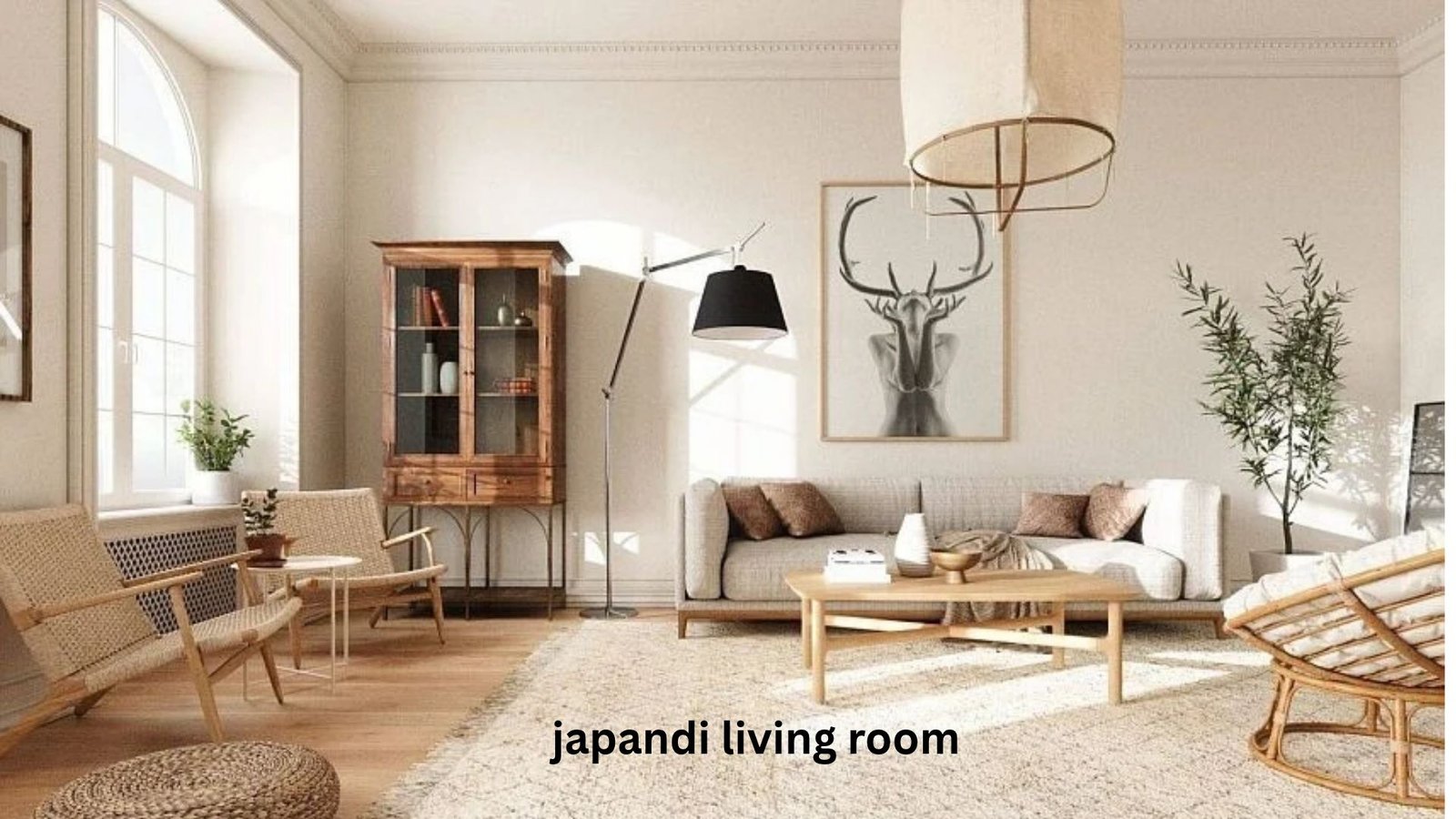
A Japandi living room blends Japanese interior design and Scandinavian design. Japanese interiors typically emphasize simplicity, natural materials, craftsmanship, proportion, and the beauty of imperfection, while Scandinavian interiors add practicality, comfort, lightness, and warmth.
The result is a room with:
- Simple, functional furniture
- Natural wood and other organic materials
- Soft neutral colors
- Uncluttered surfaces
- Comfortable textiles
- Low visual contrast
- Intentional decoration
- A strong connection to natural materials
The important word is balance.
A purely minimalist room can feel cold. A heavily decorated Scandinavian room can lose the quiet quality associated with Japanese interiors. Japandi sits between those extremes.
The easiest way to recognize Japandi
Ask yourself three questions:
- Does every major item have a purpose?
- Does the room contain enough texture to feel comfortable?
- Is there enough empty space for the furniture to breathe?
If the answer to all three is yes, you are probably moving in the right direction.
The Core Principles of Japandi Interior Design
Before buying furniture or changing your color scheme, understand the principles behind the style.
1. Choose fewer, better pieces
Japandi is not about having nothing in the room. It is about avoiding things that do not contribute to the room.
Instead of filling a large wall with multiple small decorations, one substantial piece may create a stronger effect.
This approach also makes the room easier to maintain. Fewer objects mean fewer things to clean, move, and visually organize.
2. Let natural materials do the decorating
Wood is one of the most important materials in a Japandi space.
Oak, ash, walnut, bamboo, and other natural-looking woods can introduce warmth without requiring excessive decoration.
You can also incorporate:
- Linen
- Cotton
- Wool
- Rattan
- Stone
- Ceramic
- Paper
- Woven fibers
A useful practical rule is to combine different textures rather than many different colors.
For example, a beige sofa, oak coffee table, linen curtains, wool rug, and ceramic accessories can create considerable visual interest even though the color palette remains restrained.
3. Embrace imperfect beauty
Japanese design traditions often value wabi-sabi, an appreciation of simplicity, natural aging, and imperfection.
That does not mean your furniture should look damaged.
Instead, consider materials and objects that show natural variation. A handmade ceramic bowl, wood with visible grain, or slightly irregular stone surface can make a carefully designed room feel less manufactured.
This is one of the easiest ways to prevent modern minimalism from becoming sterile.
How to Choose a Japandi Living Room Color Palette
The safest Japandi color scheme starts with warm neutrals.
Good foundation colors include:
- Warm white
- Cream
- Ivory
- Beige
- Taupe
- Sand
- Light gray
- Warm brown
Then introduce darker accents carefully.
Charcoal, muted black, deep brown, olive, or earthy green can provide contrast without overwhelming the room.
Warm versus cool neutrals
This is an important distinction that is often overlooked.
A room filled with cool white, blue-gray, and shiny gray surfaces may technically look minimalist, but it can feel clinical.
Instead, use warmer undertones.
For example:
Cool palette:
Bright white + blue-gray + silver + cool black
Warmer Japandi palette:
Warm white + oatmeal + oak + charcoal + muted green
The second combination generally feels softer and more welcoming.
How to Choose Furniture for a Japandi Living Room
Furniture should be comfortable but visually restrained.
Look for:
- Low-profile sofas
- Clean-lined armchairs
- Simple wooden tables
- Streamlined storage
- Rounded or gently curved edges
- Visible wood grain
- Upholstery in natural-looking fabrics
Avoid choosing every item from the same furniture collection. A room where the sofa, coffee table, television cabinet, shelves, and chairs all have identical finishes can feel like a showroom.
Instead, coordinate them through proportion and material.
A practical furniture test
Before purchasing something, ask:
“If I remove this item, will the room become less functional or less comfortable?”
If the answer is no, you may not need it.
This simple test is particularly useful when designing a small Japandi living room.
Creating a Japandi Living Room in a Small Space
Small rooms can actually work extremely well with Japandi principles.
The key is not simply to buy smaller furniture. It is to reduce visual weight.
For example, a compact sofa with exposed legs may appear lighter than a large sofa sitting completely on the floor. A slim wooden coffee table may provide the same function as a bulky storage table while making the room feel larger.
Try these strategies:
- Choose one main seating piece.
- Keep walking paths clear.
- Use furniture with simple silhouettes.
- Avoid filling every wall.
- Prefer closed storage for visually messy items.
- Use one larger rug rather than several small ones.
- Keep the floor visually open where possible.
A useful small-room trick
Do not automatically push every piece of furniture against the wall.
Sometimes leaving a small amount of breathing space around furniture creates a more intentional arrangement and makes the room feel less cramped.
The goal is not maximum furniture capacity. It is maximum usefulness with minimum visual congestion.
Japandi Living Room Lighting
Lighting can completely change the success of a Japandi room.
A common mistake is relying on one bright ceiling fixture.
Instead, think in layers:
- General room lighting
- Floor or table lighting
- Accent lighting
- Natural daylight
Warm lighting generally works better with the earthy materials used in Japandi interiors.
Avoid excessively bright, blue-toned lighting in the evening. It can make warm wood and neutral textiles look washed out.
Think about the evening version of the room
This is a surprisingly useful design exercise.
Stand in the room after sunset and turn off unnecessary lights. Which areas still feel comfortable? Where does the room become too dark?
A Japandi living room should not look beautiful only during daylight. Its evening atmosphere matters just as much.
How to Add Decor Without Losing Minimalism
Japandi decoration should feel intentional.
Instead of displaying ten small objects, select a few objects with different heights, shapes, and textures.
For example, a simple arrangement might include:
- A ceramic vessel
- A wooden object
- A soft textile
- One carefully selected decorative piece
Leave space between them.
The “quiet corner” principle
One of the less-discussed aspects of Japandi design is that not every part of the room needs to demand attention.
Create at least one visually quiet area.
It could be a mostly empty wall, a simple reading chair, or an uncluttered section beside the sofa.
This creates contrast. When everything is decorated, nothing feels special.
Japandi Versus Scandinavian Minimalism
Japandi and Scandinavian interiors overlap significantly, but they are not identical.
| Feature | Japandi | Scandinavian |
|---|---|---|
| Overall feeling | Calm and grounded | Light and cozy |
| Materials | Wood, stone, ceramics | Wood, textiles, natural materials |
| Colors | Earthy neutrals | Light neutrals with occasional color |
| Furniture | Simple, often lower-profile | Simple and highly functional |
| Decoration | More restrained | Can be more playful |
| Imperfection | Often intentionally embraced | Usually less emphasized |
Of course, real interiors can combine both approaches. That is actually the strength of Japandi: it allows warmth without sacrificing simplicity.
How to Make Japandi Feel Warm, Not Empty
This is probably the biggest practical challenge.
A room can follow every minimalist rule and still feel uncomfortable.
The solution is texture, proportion, and softness.
Try combining:
- A textured rug
- Linen or cotton curtains
- Soft cushions
- Natural wood
- Upholstered seating
- Matte ceramic surfaces
- A few organic shapes
Think of visual warmth as a combination of sensory qualities rather than simply adding more decorations.
An important insight: warmth is not the same as clutter
Many people add decorative objects when their minimalist room feels cold.
That is often the wrong solution.
If the room feels sterile, first try changing the materials and lighting before adding more stuff.
A wool rug and warmer lighting may accomplish more than another shelf full of accessories.
Japandi Living Room Ideas for Different Real-Life Situations
For families
If children use the living room every day, do not design it like a showroom.
Choose durable upholstery, washable textiles, rounded furniture edges, and practical storage.
Closed cabinets are particularly helpful because they allow everyday clutter to disappear quickly.
For renters
You do not need structural changes to create a Japandi atmosphere.
Focus on:
- Furniture
- Rugs
- Curtains
- Lighting
- Textiles
- Removable decorative elements
A warm wood coffee table and neutral rug can change the character of a room without repainting it.
For open-plan homes
Use furniture placement to define the living area rather than building visual barriers.
A rug can establish the seating zone, while a sofa can create a subtle boundary between the living and dining areas.
Keep finishes related across both spaces so the overall home feels coherent.
Common Japandi Living Room Mistakes
Mistake 1: Using too much beige
Japandi does not mean everything must be beige.
An entirely monochromatic room can become flat.
Add variation through wood tones, charcoal, muted green, brown, or subtle earthy shades.
Mistake 2: Confusing minimalism with emptiness
You still need comfortable seating, useful storage, lighting, and personal objects.
The goal is intentional simplicity—not an unfinished room.
Mistake 3: Buying trendy furniture instead of timeless furniture
Japandi works best when pieces have longevity.
Ask whether you would still like the furniture if the current interior trend disappeared next year.
Mistake 4: Ignoring scale
A small coffee table surrounded by a huge sectional can look unbalanced.
Furniture should relate to the size of the room and to one another.
Mistake 5: Making everything perfectly symmetrical
Natural materials and organic shapes can introduce subtle variation.
Perfect symmetry can sometimes make the space feel formal rather than relaxed.
A Practical Japandi Living Room Formula
If you want a simple starting point, use this formula:
Base: warm white or soft beige walls
Main furniture: simple neutral sofa
Wood: one or two dominant wood finishes
Textiles: linen, cotton, wool, or similar natural textures
Accent: charcoal, brown, olive, or another muted earthy tone
Decor: a small number of meaningful objects
Lighting: warm, layered illumination
Storage: mostly concealed
Space: intentionally left open
This is not a rigid recipe. It is a framework.
Your room should still reflect how you actually live.
Three Less-Obvious Japandi Design Insights
1. Design for visual recovery
A living room is often where people mentally recover after a busy day.
That means visual simplicity has a practical purpose.
If your eyes encounter dozens of competing objects whenever you sit down, the room may feel stimulating rather than restful. A restrained background gives the eye fewer things to process.
2. Use contrast in texture, not just color
This is one of the best ways to create sophistication without clutter.
A smooth wooden surface next to a rough ceramic object and soft wool textile can produce more depth than adding several decorative colors.
The room remains visually quiet while still feeling rich.
3. Design around habits, not photographs
A beautiful living room is not successful if everyday life constantly destroys its arrangement.
If you regularly read, keep a practical place for books. If you drink coffee while watching television, make sure the coffee table is genuinely usable. If children leave toys around, provide accessible storage.
The best Japandi living room is not the one that looks perfect for five minutes. It is the one that remains calm while real life happens inside it.
FAQ
What makes a living room Japandi?
A Japandi living room combines Japanese simplicity with Scandinavian comfort and functionality. It typically uses natural materials, warm neutral colors, clean furniture lines, restrained decoration, and plenty of visual breathing room. The style emphasizes quality, proportion, texture, and intentional living rather than simply reducing the number of objects.
How do I create a Japandi living room on a budget?
Start with the largest visual elements instead of buying lots of accessories. A neutral rug, simple furniture, warm lighting, and natural-looking wood can establish the style more effectively than numerous inexpensive decorations. You can also keep existing furniture if its shape is simple and introduce Japandi character through textiles, organization, and a restrained color palette.
What colors work best in a Japandi living room?
Warm whites, cream, beige, taupe, sand, light brown, and soft gray make strong foundations. Earthy greens, charcoal, muted black, and deeper browns can be used as accents. The most important consideration is not the exact color but whether the overall palette feels natural, calm, and cohesive.
Is Japandi suitable for a small living room?
Yes. Japandi principles can work particularly well in small spaces because they prioritize functionality and visual simplicity. Choose furniture with a lighter visual profile, maintain clear walking areas, use concealed storage, and avoid unnecessary decorative objects. The aim is to make the available space feel intentional rather than crowded.
What is the difference between Japandi and minimalism?
Minimalism is a broader design philosophy centered on reducing unnecessary elements, while Japandi combines minimalist principles with specific Japanese and Scandinavian influences. Japandi places particular emphasis on natural materials, warmth, craftsmanship, comfort, and organic imperfection. In other words, a Japandi room can be minimalist without feeling stark.
How can I make a Japandi living room cozy?
Focus on tactile materials rather than adding lots of decoration. Layer a comfortable rug, soft cushions, natural fabrics, warm wood, and gentle lighting. A few personal objects can make the room feel lived-in, but leaving some areas deliberately quiet is equally important.
Conclusion
Creating a Japandi living room is less about following a strict decorating formula and more about making thoughtful choices. Start with comfortable, simple furniture, warm natural colors, useful storage, tactile materials, and lighting that supports the room after dark.
Most importantly, resist the temptation to fill every empty space. A successful Japandi interior understands that empty space is part of the design, not wasted space.
Build the room around the way you actually live, keep only what adds value, and let natural materials provide much of the visual interest. The result should not feel like a showroom—it should feel like a calm, comfortable place where everyday life has room to happen.