
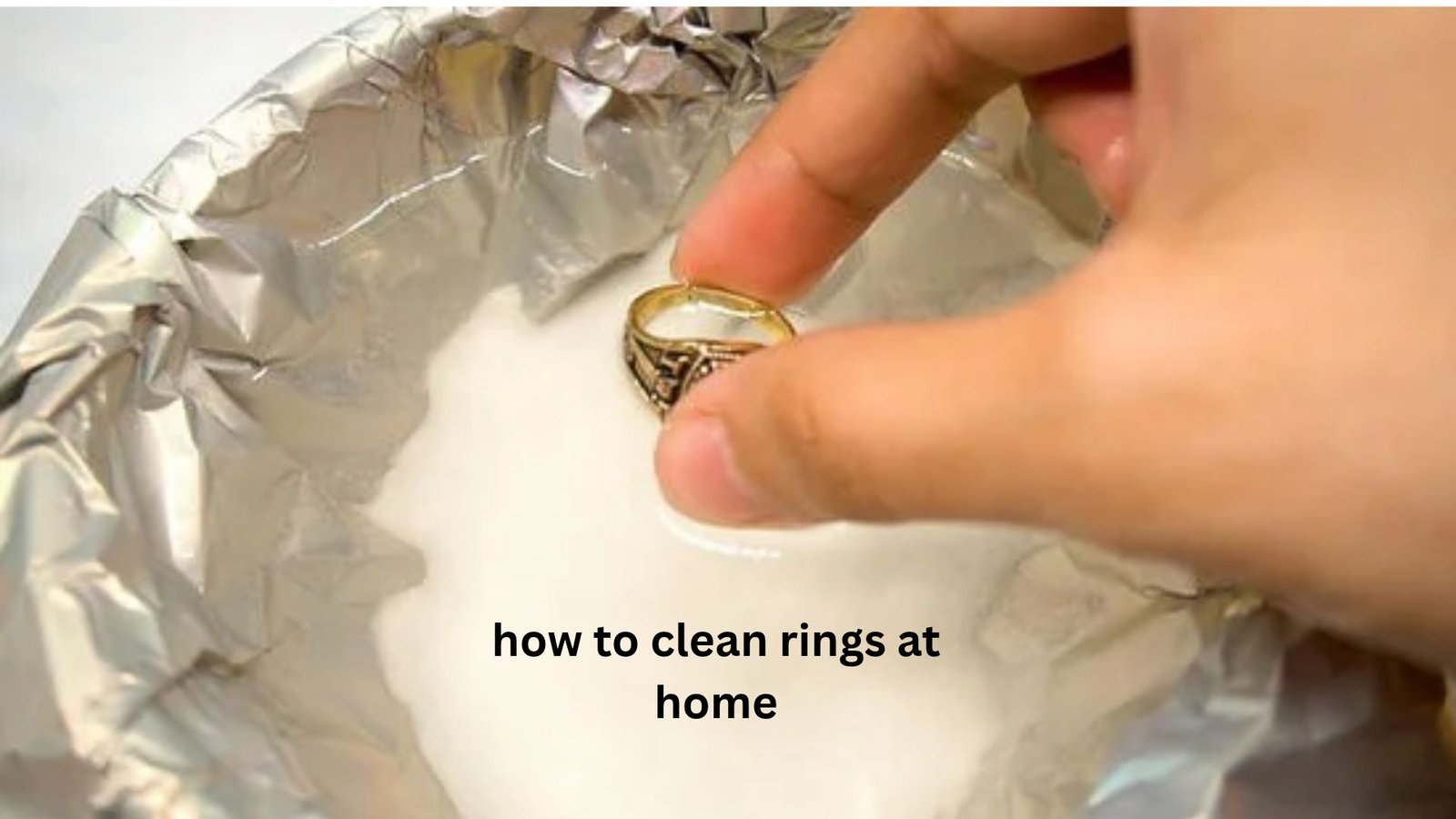
A ring can look surprisingly dull even when it is not actually dirty. Everyday hand cream, soap, cooking oils, dust, and tiny particles from your surroundings can collect around the setting and underneath the band. Over time, that buildup can make a diamond lose its sparkle or cause a gold ring to look noticeably less bright. The good news is that how to clean rings at home does not have to be complicated or expensive.
For most durable rings, a gentle cleaning routine using warm water, mild dish soap, and a soft toothbrush is enough to remove ordinary grime. The important part is knowing when that method is appropriate—and when it could damage a delicate stone, finish, or setting.
This guide explains a safe at-home method, what cleaning solutions to avoid, how to handle different metals and gemstones, and how to recognize situations where professional cleaning is the better choice. It also covers a few easy-to-miss details, such as why cleaning underneath the stone matters and why a ring that suddenly looks loose deserves more attention than a simple wash.
What You Need to Clean a Ring at Home
For ordinary cleaning, you only need a few basic items:
- A small bowl
- Warm, not boiling, water
- A few drops of mild dishwashing liquid
- A soft-bristled toothbrush
- A clean microfiber or lint-free cloth
- A dry towel
Avoid using an old toothbrush with hard or worn bristles. A soft brush is much less likely to scratch delicate surfaces or catch on a fragile setting.
A useful practical tip is to clean your ring over a bowl rather than directly over an open sink. A ring can slip surprisingly easily from wet fingers, and a small drain is not a good place to discover that your favorite piece of jewelry has disappeared.
How to Clean Rings at Home: Step-by-Step
1. Check the Ring Before Cleaning
Take a few seconds to inspect the ring first.
Look at the stone, prongs, band, and any small decorative details. If a gemstone appears loose, a prong looks bent, or you can see a gap where there should not be one, stop before washing it.
Cleaning will not repair a damaged setting. In fact, brushing a loose stone could make the problem worse.
This quick inspection is one of the most useful habits you can develop because it separates cleaning problems from jewelry-repair problems.
2. Prepare a Gentle Cleaning Solution
Fill a small bowl with warm water and add a few drops of mild dish soap.
The water should feel comfortably warm rather than hot. Extremely hot or rapidly changing temperatures are unnecessary for routine jewelry cleaning and may be unsuitable for certain gemstones.
Mix the solution gently until the soap is distributed through the water.
You do not need a strong chemical cleaner to remove ordinary oils and dirt. In many cases, a mild soap works precisely because most of the buildup on a frequently worn ring is a combination of body oils, lotion, soap residue, and everyday grime.
3. Soak the Ring Briefly
Place the ring in the solution and let it sit for about 10 to 15 minutes.
This gives the warm soapy water time to soften residue that has collected around the stone and setting.
However, do not assume that a longer soak is automatically better. Some jewelry contains porous, treated, glued, or otherwise delicate materials that should not be exposed to prolonged soaking.
When you are uncertain about the stone or construction, keep the cleaning process short and gentle.
4. Brush Away the Dirt
Remove the ring and gently brush it with the soft toothbrush.
Pay particular attention to:
- The underside of the gemstone
- Around the prongs
- The inside of the band
- Decorative grooves
- Areas where the stone meets the metal
Use light pressure rather than scrubbing aggressively.
A common mistake is to concentrate only on the visible top of the ring. In practice, the underside can collect a surprising amount of residue. Cleaning beneath the stone can make a noticeable difference in how much light reaches and reflects through a transparent gemstone.
5. Rinse Carefully
Rinse the ring with clean, lukewarm water.
Again, use a bowl if possible. If you rinse under a tap, keep the drain closed or covered.
Soap residue left behind can make a ring look cloudy, so rinsing is an important part of the process.
6. Dry It Completely
Pat the ring dry with a soft, lint-free cloth.
Do not aggressively rub the stone or metal. Instead, gently press and wipe away moisture.
If the setting has small spaces that remain damp, allow the ring to air-dry completely before putting it away.
Moisture trapped between the stone and setting can also mix with leftover soap or skin products, creating the same dull appearance you were trying to remove.
How to Clean Different Types of Rings
Not every ring should be treated exactly the same way. The material and gemstone matter.
Gold Rings
Solid yellow, white, and rose gold rings can generally be cleaned with mild soap and warm water.
White gold requires a little extra awareness. Its bright appearance may come from a rhodium coating, which can gradually wear with use. Gentle cleaning is preferable to abrasive polishing.
Avoid harsh household chemicals unless the jewelry manufacturer specifically recommends them.
Silver Rings
Silver can be cleaned gently with mild soapy water, but tarnishing is a separate issue from ordinary dirt.
If your silver ring has an intentional dark or oxidized finish, aggressive polishing may remove the desired appearance. Always consider whether the darker areas are tarnish or part of the jewelry’s original design.
Platinum Rings
Platinum is durable and can generally tolerate gentle soap-and-water cleaning. However, scratches and surface wear can still develop with normal use.
Do not confuse durability with being scratch-proof. A platinum ring can become less reflective over time even though the metal itself remains structurally strong.
Diamond Rings
Diamonds are relatively hard, but the metal holding the diamond can still be vulnerable.
Use the gentle soap-and-water method and carefully brush around the setting. Pay special attention to the underside of the diamond because accumulated oils there can noticeably reduce brilliance.
If you frequently wear a diamond ring while applying hand cream, cleaning the ring every couple of weeks can help maintain its appearance.
Rings With Pearls
Pearls require considerably more care than many people realize.
Do not treat a pearl ring like a plain gold or diamond ring. Avoid soaking pearls for long periods and avoid harsh chemicals, abrasive cleaners, and aggressive brushing.
A better approach is to gently wipe the pearl with a soft, slightly damp cloth and follow the care instructions provided for the jewelry.
Opal, Turquoise, and Other Delicate Gemstones
Some gemstones are more sensitive to heat, chemicals, moisture, or sudden temperature changes.
Opals, turquoise, emeralds, and other delicate or treated stones deserve particular caution. In these cases, the safest option may be a very gentle wipe rather than a conventional soak.
If you do not know what gemstone you have, identification should come before experimentation.
What Should You Never Use to Clean a Ring?
Many popular household cleaning tricks are unnecessarily aggressive.
Avoid experimenting with:
- Bleach
- Strong household disinfectants
- Abrasive powders
- Toothpaste
- Rough scrubbing pads
- Strong acids
- Unapproved chemical dips
- Boiling water
- Hard-bristled brushes
Toothpaste is a particularly common suggestion online, but it is not a good universal jewelry cleaner. Many toothpastes contain mild abrasives designed to clean teeth, and those abrasives can leave tiny scratches on some metals or finishes.
Another mistake is assuming that something natural is automatically safe. Lemon juice, vinegar, baking soda, and similar kitchen ingredients can be inappropriate for certain jewelry materials or finishes.
Gentle is usually better than powerful when you do not know exactly how a ring has been made.
How Often Should You Clean Your Rings?
The ideal frequency depends on how often you wear the ring and what you do while wearing it.
A ring worn every day may benefit from gentle cleaning every one to two weeks. A ring worn occasionally may only need cleaning when it begins to look dull.
You may want to clean it sooner if you regularly:
- Apply hand lotion
- Cook with your ring on
- Work with your hands
- Exercise while wearing jewelry
- Use hair products
- Garden
- Handle oily foods
One useful way to think about jewelry cleaning is not to wait until a ring looks extremely dirty. Small amounts of residue are easier to remove than months of compacted buildup.
A Simple Cleaning Routine for Everyday Rings
If you wear the same ring every day, a practical routine looks like this:
Weekly:
Inspect the ring and wipe away surface residue.
Every one to two weeks:
Use mild soap, warm water, and a soft brush if the ring is suitable for this method.
Every few months:
Inspect the prongs, stone, band, and overall condition more carefully.
When something feels different:
Stop wearing the ring and have the setting checked.
That last point is particularly important. A change in how a ring feels can sometimes be more meaningful than how it looks.
Three Easy-to-Miss Ring-Cleaning Insights
The Underside Often Matters More Than the Top
When a gemstone looks cloudy, people naturally clean the surface they can see.
But dirt underneath the stone can have a major visual effect. Oils and residue around the underside and setting can interfere with the stone’s brilliance, so gently cleaning these less visible areas can produce a surprisingly noticeable improvement.
Cleaning Can Reveal a Loose Setting
A careful cleaning is also an opportunity to inspect your jewelry.
If you notice a stone moving, hear a faint clicking sound, or see a prong that appears shorter or bent, do not continue brushing.
The goal is not simply to make the ring shiny. It is to keep the stone secure.
A Clean Ring Is Not Necessarily a Polished Ring
Soap and water can remove dirt without changing the underlying finish of the metal.
Polishing is different. It can remove a very small amount of metal and alter the surface over time. That means routine cleaning and professional polishing should not be treated as the same process.
For everyday maintenance, cleaning is usually the less aggressive choice.
Common Ring-Cleaning Mistakes
Using Water That Is Too Hot
Hot water is unnecessary for normal cleaning. Warm water is sufficient for loosening everyday residue.
Scrubbing Too Hard
More pressure does not necessarily mean a cleaner ring. Aggressive brushing can catch on delicate settings and cause unnecessary wear.
Cleaning Over an Open Drain
This is an avoidable accident. Use a bowl or secure the sink drain before starting.
Ignoring the Setting
A beautiful gemstone is only as secure as the metal holding it. Check the prongs and surrounding structure while cleaning.
Using the Same Method for Every Gemstone
A diamond ring, pearl ring, opal ring, and turquoise ring should not automatically receive identical treatment.
Wearing the Ring During Every Household Task
Cleaning the ring is helpful, but preventing unnecessary exposure is even better. Removing jewelry before working with harsh chemicals, gardening, heavy manual work, or messy substances can reduce both buildup and damage.
When Should You Take a Ring to a Professional?
At-home cleaning is ideal for routine maintenance, but it is not a substitute for professional inspection.
Consider professional help if:
- A gemstone moves in its setting
- A prong is bent or damaged
- The ring has deep scratches
- The gemstone has become cloudy for an unknown reason
- You have an antique or heirloom ring
- The ring contains an unfamiliar gemstone
- The jewelry has delicate treatments or special finishes
- You are unsure whether the stone can safely be soaked
Antique jewelry deserves particular caution. Older settings can be structurally different from modern pieces, and aggressive cleaning may do more harm than good.
If a stone is loose, do not try to solve the problem by cleaning it more carefully. Have the setting inspected.
How to Keep Rings Cleaner for Longer
The easiest ring to clean is the one that does not accumulate heavy residue in the first place.
Remove rings before applying thick lotions or creams when practical. Take them off before cleaning with household chemicals, doing messy manual work, or handling substances that can cling to jewelry.
When you remove a ring at night, briefly check it for visible buildup or damage. Store it somewhere dry and secure rather than leaving it loose on a bathroom counter.
Another practical habit is to wipe frequently worn rings with a soft cloth after wearing them. This takes only a few seconds and can reduce the amount of oil and residue that eventually requires deeper cleaning.
FAQ
What is the safest way to clean rings at home?
For many durable rings, the safest general method is warm water mixed with a small amount of mild dish soap, followed by gentle brushing with a soft toothbrush. Rinse thoroughly and dry with a soft, lint-free cloth. However, delicate gemstones and unusual or treated jewelry may require a different method.
Can I clean a diamond ring with dish soap?
Yes, mild dish soap and warm water are commonly suitable for routine cleaning of many diamond rings. Use a soft toothbrush to gently clean around the stone and setting rather than scrubbing forcefully. Always inspect the prongs first and stop if the diamond appears loose.
How do you clean a ring without damaging it?
Start by identifying the metal and gemstone, because not every ring tolerates the same cleaning method. Use gentle materials, avoid abrasive products and harsh chemicals, and never use excessive heat. If you cannot identify the stone or the setting appears damaged, professional cleaning is safer.
Can I use toothpaste to clean my rings?
It is better to avoid toothpaste as a general-purpose ring cleaner. Many toothpastes contain abrasive ingredients that can scratch certain metals or finishes. Mild soap and warm water are usually a more controlled option for routine cleaning.
How often should I clean my rings at home?
A frequently worn ring can usually be gently cleaned every one to two weeks if its materials are suitable for soap-and-water cleaning. Rings exposed to lotions, cooking oils, dirt, or heavy hand use may need attention more often. The key is gentle, regular maintenance rather than aggressive cleaning once buildup becomes severe.
When should I stop cleaning a ring myself?
Stop if the stone moves, a prong looks damaged, the ring is antique or unusually delicate, or you are unsure about the gemstone. Cleaning cannot correct structural damage, and continued brushing could make a loose setting worse. In those situations, professional inspection is the safer choice.
Final Thoughts
Learning how to clean rings at home is mostly about using less force, not more. For many everyday rings, warm water, mild soap, a soft toothbrush, and careful drying are enough to remove the oils and residue that make jewelry look dull.
The most important habit is to inspect the ring before and during cleaning. Pay attention to the underside of the stone, check the setting, and remember that different gemstones have different care requirements.