Buying a home can become confusing quickly. You may see listings for single-family houses, condos, and townhomes, yet the differences are not always obvious from a property description. A townhome can look like a traditional house from the outside while sharing some characteristics with a condominium, which often leaves first-time buyers wondering what they are actually purchasing.
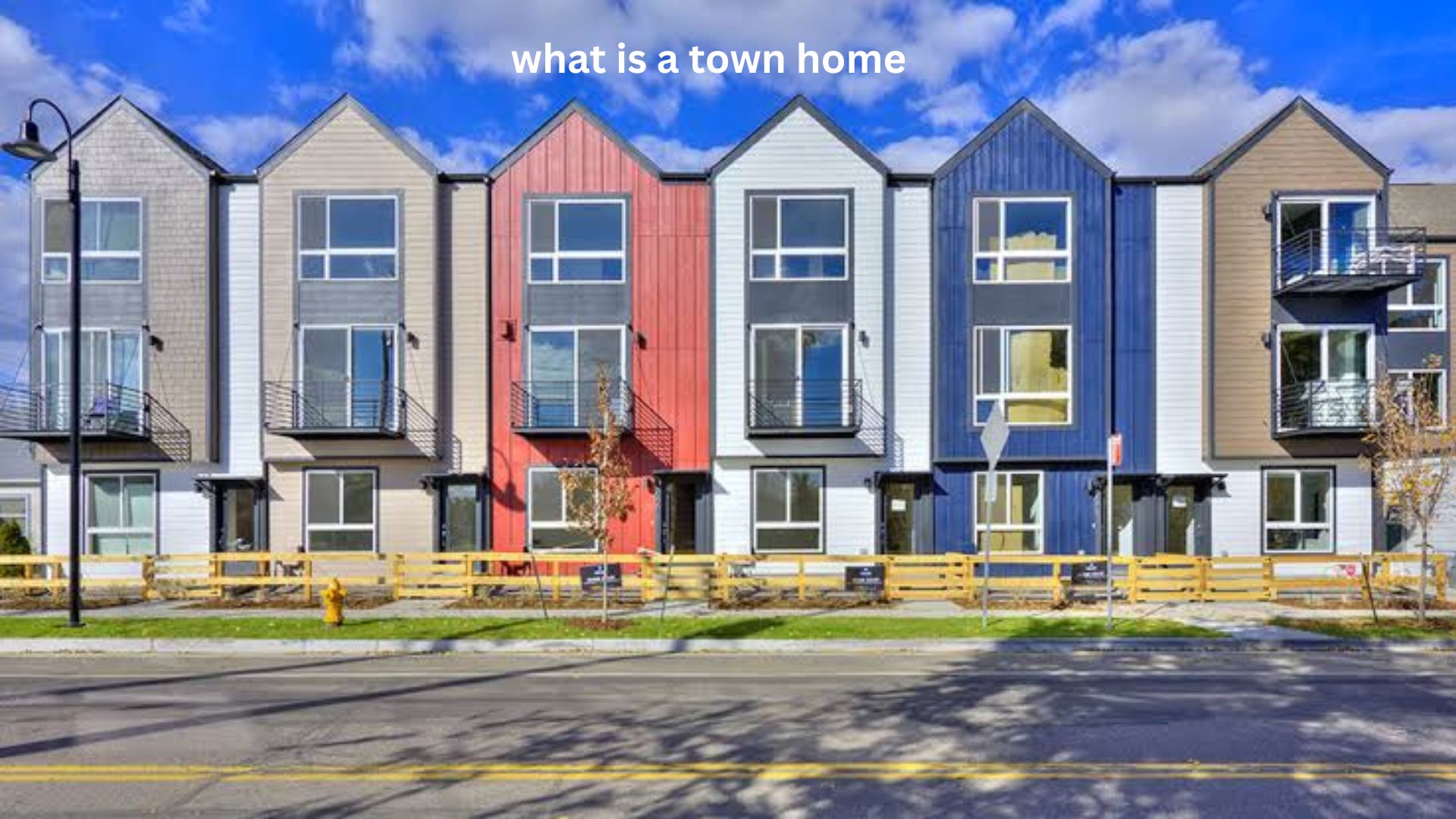
So, what is a townhome? A townhome, also called a townhouse, is generally a multi-level home that shares one or more walls with neighboring homes. Unlike an apartment, it typically has its own private entrance and is often individually owned. Many townhomes also come with a small yard, patio, garage, or driveway.
However, the physical appearance is only part of the story. Ownership structure, maintenance responsibilities, homeowners association (HOA) fees, insurance, privacy, and resale potential can vary significantly. This guide explains how townhomes work, what you actually own, how they compare with other types of housing, and what to check before buying one.
What Is a Townhome?
A townhome is a type of residential property designed as an attached home. It commonly has two or more floors, with neighboring homes connected by shared walls.
A typical townhome may include:
- A private front entrance
- Two or more levels
- A kitchen and living area on the main floor
- Bedrooms upstairs
- A private patio or small yard
- An attached or detached garage
- Shared walls with one or both neighboring properties
- An HOA or similar community association
The important point is that “townhome” describes the physical style of the property, not necessarily its legal ownership structure.
For example, one townhome community may involve individual ownership of both the building and the land underneath it. Another may operate more like a condominium, where the owner owns the interior space while the association owns or maintains certain exterior areas.
That distinction matters when you’re comparing mortgage costs, insurance, maintenance, and long-term value.
How Does a Townhome Work?
Imagine a row of four homes connected side by side.
From the street, each home may have its own front door, windows, garage, and small outdoor space. Inside, it feels much more like a traditional house than an apartment.
The major difference is the shared structure.
If your townhome is in the middle of the row, you may have another home directly on your left and another on your right. If you’re at the end, you may share only one wall.
Most townhomes are arranged vertically to make efficient use of limited land. That means you might have:
Ground floor: garage, entryway, laundry, or bedroom
Second floor: kitchen, dining area, living room
Third floor: bedrooms and bathrooms
This layout can provide more living space without requiring a large lot.
What Do You Actually Own?
This is one of the most important questions to ask before purchasing.
Depending on the development, you may own:
- The interior of the home
- The exterior structure
- The land beneath the home
- A private yard or patio
- A garage or parking space
But some communities have different arrangements.
Before making an offer, review the property’s legal description and governing documents rather than assuming that everything you can see belongs exclusively to you.
This is a practical lesson that can prevent unpleasant surprises. A buyer may assume, for example, that they can replace exterior windows, change a fence, or modify a patio because they “own the house.” HOA rules or the property’s legal structure may say otherwise.
Townhome vs. House: What’s the Difference?
The biggest difference between a townhome and a detached house is the relationship with neighboring properties.
A traditional single-family house usually stands independently on its own lot. A townhome is commonly attached to one or more neighboring homes.
| Feature | Townhome | Detached House |
|---|---|---|
| Shared walls | Usually yes | Usually no |
| Private entrance | Yes | Yes |
| Multiple floors | Common | Common |
| Private yard | Often smaller | Usually larger |
| Maintenance | May be shared | Mostly owner’s responsibility |
| HOA | Common | Optional/common in some communities |
| Privacy | Moderate | Generally higher |
| Land | May be limited | Usually more |
| Price | Often lower than similar detached homes | Often higher |
A townhome can therefore be attractive to someone who wants the feel of a house without paying for a large lot or handling every exterior maintenance task personally.
Townhome vs. Condo: Are They the Same?
No. A townhome and a condo are not automatically the same thing.
The confusion happens because some townhomes are legally organized as condominiums.
A condo generally refers to an ownership structure in which you own a particular unit while common areas are collectively managed through an association.
A townhome primarily describes the physical design: an attached, usually multi-level residence.
This means you can potentially have a townhome that is:
- Individually owned with the land included
- Part of a condominium association
- Subject to an HOA
- Governed by different maintenance responsibilities
The lesson is simple: don’t determine ownership rights from the word “townhome” alone.
Read the documents and ask exactly what you are buying.
Why Do People Choose Townhomes?
Townhomes occupy an interesting middle ground between apartments and detached houses.
They can make sense for buyers who want more space and privacy than an apartment but don’t want the cost or maintenance demands of a large detached property.
1. Lower Entry Cost
In many markets, townhomes can cost less than comparable detached houses.
That isn’t guaranteed. Location, size, amenities, age, and local demand can make some townhomes extremely expensive.
But when comparing similar properties in the same neighborhood, a townhome may provide more usable interior space for the money.
2. Less Exterior Maintenance
Some communities handle landscaping, common-area maintenance, exterior repairs, or other services through the HOA.
This can be valuable for someone who doesn’t want to spend Saturday mornings mowing a large lawn or arranging exterior maintenance.
However, don’t assume “HOA” means “everything is covered.”
Your association documents should explain exactly what the fee pays for.
3. Efficient Use of Space
Because townhomes are commonly built vertically, they can provide substantial living space on relatively small parcels.
A 1,800-square-foot townhome may have a surprisingly comfortable interior even though its outdoor area is limited.
4. Community Amenities
Some developments offer shared amenities such as:
- Swimming pools
- Fitness facilities
- Walking paths
- Playgrounds
- Clubhouses
- Private parks
These amenities can make a townhome community particularly appealing to certain buyers.
The Downsides of Townhome Living
Townhomes aren’t automatically better or worse than detached houses. They simply involve different trade-offs.
Shared Walls
Noise is one of the most common concerns.
A well-built townhome with good insulation may be surprisingly quiet. A poorly insulated older property can make everyday sounds from neighbors noticeable.
If possible, visit the property at different times of day.
Listen for:
- Footsteps
- Music
- Traffic
- Dogs
- Garage doors
- Outdoor conversations
A five-minute showing during a quiet afternoon cannot tell you everything about the property’s sound environment.
HOA Fees
HOA fees can add a significant monthly expense.
More importantly, the current fee isn’t the only number you should examine.
Ask about:
- Current monthly or annual dues
- What the dues cover
- Recent increases
- Reserve funds
- Planned major projects
- Special assessments
- Community insurance
- Rules affecting renovations
A low HOA fee isn’t necessarily better. An association with unrealistically low dues may struggle to pay for major future repairs.
Less Outdoor Space
If you dream of a huge garden, workshop, pool, or extensive outdoor entertaining area, a townhome may not be the ideal choice.
Some communities also restrict fences, exterior structures, landscaping changes, or outdoor storage.
A Less Obvious Issue: The Cost of Shared Infrastructure
One overlooked aspect of townhome ownership is that your financial exposure isn’t limited to what’s happening inside your walls.
A shared roof, drainage system, private road, retaining wall, exterior structure, or community facility can eventually require expensive repairs.
The costs may be shared among owners, but “shared” doesn’t mean “free.”
For example, suppose a community needs a major roof replacement. Even if the HOA has some reserves, owners could potentially face a special assessment if available funds aren’t enough.
This is why financially healthy HOA reserves can matter more than a small difference in monthly dues.
How Much Should You Budget for a Townhome?
The purchase price is only one part of the cost.
A realistic monthly housing budget can include:
- Mortgage principal
- Mortgage interest
- Property taxes
- Homeowners insurance
- HOA dues
- Utilities
- Maintenance
- Parking or community fees, where applicable
You should also keep money available for unexpected expenses.
A common mistake is to calculate affordability using only the mortgage payment.
For example, two properties might have identical mortgage payments, but one could have substantially higher HOA fees and property taxes. The cheaper-looking home may therefore be more expensive each month.
Don’t Forget Special Assessments
Special assessments deserve particular attention when purchasing a townhome.
These are additional charges imposed by an association for significant expenses that aren’t adequately covered by regular dues and reserves.
Before buying, ask whether there are:
- Current special assessments
- Pending assessments
- Major projects under consideration
- Significant insurance claims
- Known structural or infrastructure problems
Who Is a Townhome Best For?
A townhome can be a strong option for several types of buyers.
First-Time Buyers
Townhomes can provide an easier transition from renting to owning because they often require less exterior maintenance than detached houses.
Busy Professionals
Someone who travels frequently or works long hours may appreciate having landscaping and certain community responsibilities handled through an association.
Downsizers
A person moving from a large house may prefer a smaller property without giving up multiple bedrooms or a private entrance.
Buyers Who Want Urban or Suburban Access
Townhomes are often built in areas where land is expensive. That can put them closer to employment centers, shopping, restaurants, transportation, and other conveniences.
When Might a Townhome Be a Poor Choice?
A townhome may not suit you if you strongly value complete control over your property.
Think twice if you want:
- A large private yard
- Maximum privacy
- No shared walls
- Complete freedom to remodel the exterior
- No HOA fees
- Extensive outdoor storage
- A large private driveway or garage
It also may not be ideal if you are uncomfortable with association rules.
Three Practical Insights Buyers Often Miss
1. The End Unit Can Be Worth Investigating
End units generally share fewer walls than interior units.
That can mean better natural light, fewer potential noise sources, and sometimes greater privacy.
However, don’t automatically pay a large premium for an end unit. Compare the actual benefits, condition, location, and price difference.
2. The HOA’s Financial Health Matters
Buyers often ask, “How much is the HOA fee?”
A better question is, “What is the association financially responsible for, and does it have enough money to handle those responsibilities?”
Review reserve information and recent financial documents where available. A well-managed association can be worth paying for.
3. Your Daily Routine Matters More Than the Floor Plan
A beautiful townhome can become frustrating if it doesn’t match your lifestyle.
Before buying, consider where you’ll park, how groceries reach the kitchen, how many stairs you climb daily, where guests park, how close your bedroom is to shared walls, and whether the community’s rules fit your habits.
These details rarely appear prominently in property listings, yet they can determine whether you enjoy living there.
Common Townhome-Buying Mistakes
Avoid these mistakes when evaluating a property.
Mistake 1: Looking Only at the Listing Price
Calculate the complete monthly cost, including HOA dues, taxes, insurance, and expected maintenance.
Mistake 2: Ignoring HOA Documents
Read the governing documents before committing. Rules concerning pets, rentals, renovations, parking, landscaping, and exterior changes can materially affect your experience.
Mistake 3: Assuming the HOA Handles Everything
Find out precisely which repairs are yours and which belong to the association.
Mistake 4: Never Visiting at Night
A quiet daytime visit doesn’t necessarily reveal evening traffic, parking pressure, neighborhood noise, or community activity.
Mistake 5: Forgetting Future Resale
Think about who might buy the property from you later.
A practical layout, reasonable HOA costs, good parking, strong location, and manageable maintenance obligations can make a townhome easier to resell.
A Practical Townhome Inspection Checklist
Before buying, walk through the property with a critical eye.
Check:
- Shared walls: Look for signs of moisture, cracking, or poor sound insulation.
- Roof: Determine who maintains it and how old it is.
- Exterior: Find out whether repairs are your responsibility or the association’s.
- Windows: Check their condition and replacement rules.
- Drainage: Look for water pooling near foundations or patios.
- HVAC: Ask about age, maintenance, and replacement history.
- Plumbing: Test faucets, toilets, showers, and drainage.
- Electrical: Check outlets and the condition of the electrical system.
- Garage: Inspect doors, ceiling, walls, and drainage.
- HOA: Review fees, reserves, rules, insurance, and assessments.
Don’t rely solely on a casual walkthrough. A professional inspection can uncover problems that aren’t obvious to a typical buyer.
A Real-World Example
Imagine two buyers are considering properties for $350,000.
The first property is a detached house with a larger yard but requires the owner to manage all exterior maintenance.
The second is a townhome priced at $330,000 with a $250 monthly HOA fee. The association handles landscaping and several exterior responsibilities.
At first glance, the townhome appears cheaper.
But the buyer shouldn’t stop there. They need to compare taxes, insurance, HOA costs, maintenance responsibilities, reserve health, and likely future expenses.
The better choice isn’t necessarily the property with the lower purchase price. It’s the one whose total cost and responsibilities fit the buyer’s financial situation and lifestyle.
FAQ
What is a townhome in simple terms?
A townhome is usually a privately owned, multi-level home attached to one or more neighboring homes by shared walls. It normally has its own entrance and may include a garage, patio, or small yard. The exact ownership and maintenance arrangement depends on the property’s legal structure and community rules.
Is a townhome the same as a townhouse?
Yes. “Townhome” and “townhouse” are generally used to describe the same style of attached residential property. Both terms commonly refer to homes arranged side by side, often with multiple floors and private entrances.
Is buying a townhome better than buying a house?
It depends on your priorities. A townhome may offer a lower purchase price, less exterior maintenance, and access to community amenities, while a detached house generally provides more privacy, land, and control. The right choice depends on your budget, lifestyle, location, and tolerance for HOA rules.
Do townhomes have HOA fees?
Many townhome communities have HOA fees, although the amount and responsibilities vary considerably. These fees may pay for landscaping, shared roads, exterior maintenance, amenities, insurance, or other community expenses. Always determine exactly what your HOA covers before buying.
Do you own the land with a townhome?
Sometimes, but not always. In some townhome developments, the owner owns the building and the land beneath it; in others, the property may use a condominium ownership structure. The legal documents for the specific property are the best source for determining what you actually own.
Are townhomes good for first-time buyers?
They can be. A townhome can provide more privacy and space than an apartment while potentially requiring less exterior maintenance than a detached house. First-time buyers should pay particular attention to HOA costs, rules, reserves, insurance, and the division of repair responsibilities.
Conclusion
So, what is a townhome? In simple terms, it is usually an attached, multi-level residence with its own entrance and living space. But the most important part of understanding a townhome isn’t its appearance—it’s understanding the ownership structure, shared responsibilities, HOA rules, ongoing costs, and lifestyle implications.
For some buyers, a townhome offers an excellent balance: more space and independence than an apartment without all the maintenance of a large detached house. For others, shared walls, association fees, and restrictions may make a traditional house a better fit.
If you’re considering buying one, don’t judge the property by its asking price or floor plan alone. Investigate the HOA, understand exactly what you own, calculate the complete monthly cost, inspect the property carefully, and think about how the home will fit your everyday routine.
The best townhome isn’t simply the one that looks attractive during a showing. It’s the one whose costs, responsibilities, location, and rules still make sense after you’ve lived there for years.