Many DIY enthusiasts reach the same frustrating point: a freshly painted metal project looks good for a few weeks, then chips, fades, or starts showing rust. Whether you are restoring motorcycle parts, upgrading furniture, refinishing tools, or protecting outdoor metal pieces, ordinary spray paint often does not provide the tough finish you want. This is where learning how to powder coat at home can completely change your results.
Powder coating creates a durable, professional-looking finish by applying dry powder to metal and curing it with heat until it forms a smooth protective layer. While it was once limited to industrial shops, home powder coating has become practical for hobbyists who have the right equipment, workspace, and safety habits.
This guide explains the complete process from preparation to curing, including the mistakes beginners commonly make, the equipment worth investing in, and the small techniques that separate a strong DIY finish from a disappointing one. You will learn what works in a home garage, what does not, and how to get results that look closer to professional powder coating.
What Is Powder Coating and How Does It Work?
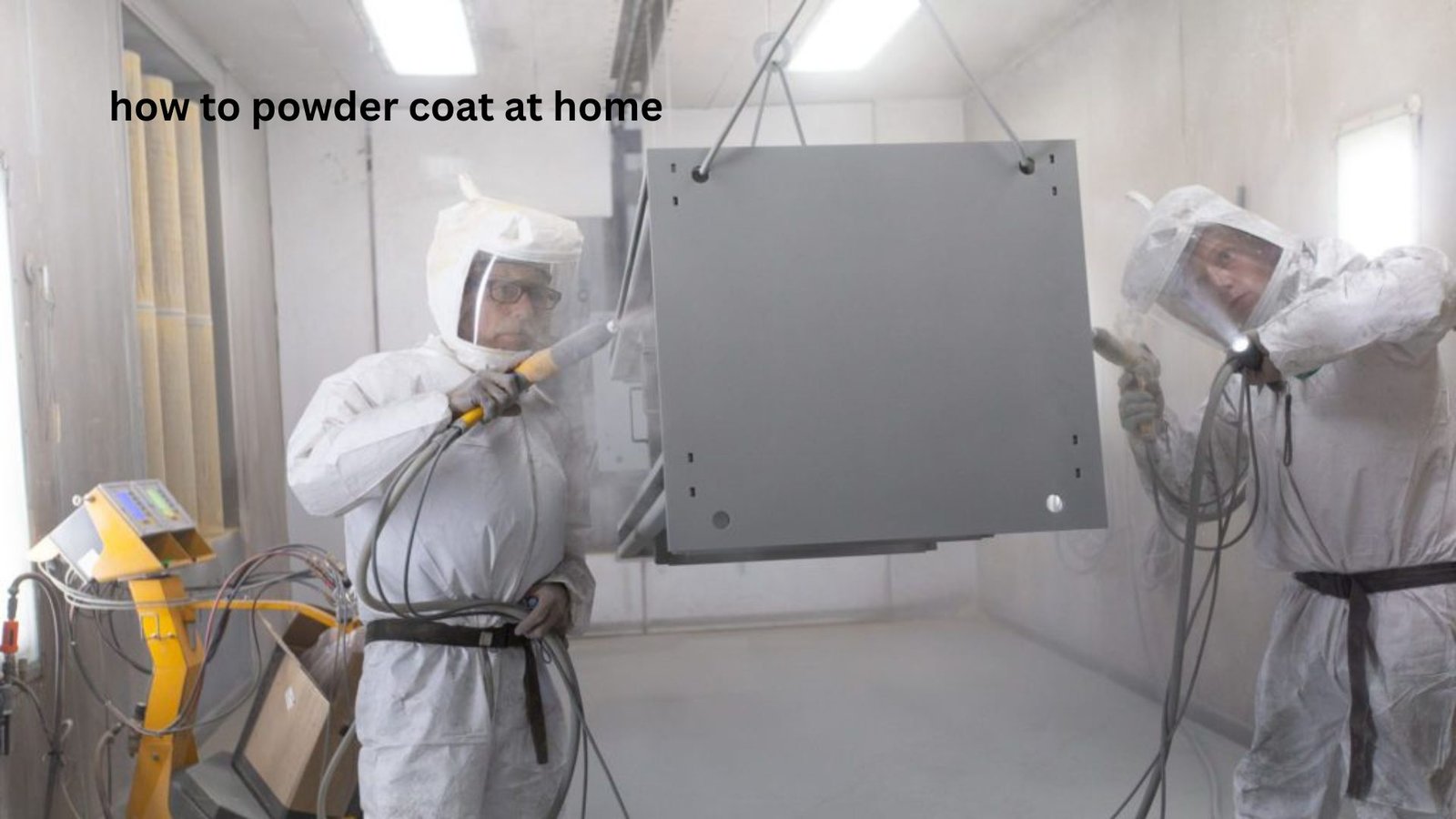
Powder coating is a finishing process where a fine polyester or epoxy powder is sprayed onto a metal surface using an electrostatic charge. The charged powder sticks to the grounded metal part, creating an even coating before the piece goes into an oven for curing.
During curing, the powder melts, flows together, and chemically bonds into a hard protective finish.
Unlike liquid paint, powder coating does not rely on solvents to create a coating layer. This gives it several advantages:
- Strong resistance to chips, scratches, and corrosion
- A thicker and more even finish
- Less dripping compared with traditional paint
- A wide range of colors and textures
- Better durability for frequently handled parts
However, powder coating is not magic. The final quality depends heavily on surface preparation, correct curing temperature, and controlling contamination.
Can You Really Powder Coat at Home?
Yes, you can powder coat at home if you are working with small to medium-sized metal parts and have the proper setup. Many hobbyists successfully coat items such as:
- Motorcycle brackets and frames
- Bicycle parts
- Automotive components
- Garden tools
- Metal furniture
- Appliance parts
- Hardware and decorative pieces
The biggest limitation is size. Large objects require large ovens, controlled environments, and more powerful equipment.
A common beginner mistake is focusing only on buying a powder coating gun while ignoring preparation. In reality, the preparation stage often determines 80% of the final result. A cheap powder coating setup with excellent preparation can outperform expensive equipment used on poorly cleaned metal.
What Equipment Do You Need for Home Powder Coating?
A basic home powder coating setup includes several essential tools.
Powder Coating Gun
The powder gun applies an electrostatic charge to the powder particles. Entry-level guns are affordable and suitable for hobby projects, while professional systems provide better control and efficiency.
Look for:
- Adjustable voltage control
- Reliable powder flow adjustment
- Easy cleaning between colors
Curing Oven
You need an oven large enough for your parts. The oven must maintain the correct temperature throughout the entire piece, not just reach a high temperature briefly.
Important points:
- Never use a kitchen oven for powder coating because chemicals released during curing should not mix with food preparation.
- A dedicated electric oven is preferred.
- Temperature accuracy matters more than size alone.
Many beginners underestimate this step. An oven that heats unevenly can create finishes that look perfect on one side and fail on another.
Air Compressor
A clean, dry air supply is necessary for consistent powder flow.
Your compressor should have:
- A moisture separator
- Stable pressure output
- Enough airflow for your coating gun
Moisture in the air line can ruin the finish by causing powder clumping or uneven spraying.
Cleaning and Preparation Tools
Surface preparation requires:
- Degreaser
- Wire brushes
- Sandblasting equipment or abrasive tools
- Clean gloves
- Lint-free cloths
The metal must be completely free of oil, rust, dirt, and old coatings.
Step-by-Step: How to Powder Coat at Home
1. Prepare the Metal Surface
Preparation is the most important part of the entire process.
Start by removing:
- Grease and oil
- Rust
- Old paint
- Dirt
- Manufacturing residues
For the best results, sandblasting is often the preferred method because it creates a slightly rough surface that helps the powder bond.
After cleaning, avoid touching the surface with bare hands. Skin oils can create small defects that appear after curing.
A useful professional trick is to handle prepared parts only with clean gloves from this stage onward.
2. Hang and Ground the Part Properly
The metal piece needs a strong electrical ground for the powder to stick evenly.
Before spraying:
- Hang the part using clean metal hooks
- Ensure the hook makes good contact with bare metal
- Keep the part away from dusty surfaces
Poor grounding causes common problems such as thin areas, uneven coverage, or powder refusing to stick.
Sometimes simply improving the grounding point fixes what appears to be a problem with the powder gun.
3. Apply the Powder Coating
Spray the powder in light, even passes.
Avoid trying to create the final thickness in one heavy coat. Too much powder can cause:
- Runs
- Uneven texture
- Poor curing
- Trapped air bubbles
Hold the gun at a consistent distance and move smoothly across the surface.
Pay extra attention to:
- Corners
- Weld areas
- Inside edges
- Recessed sections
These areas often receive less powder because of the electrostatic effect.
4. Cure the Powder in the Oven
Curing activates the powder and creates the final finish.
Always follow the powder manufacturer’s recommended temperature and curing time. The curing process is based on the temperature of the metal itself, not just the oven display.
For example, an oven set to the correct temperature does not mean a thick steel part has reached the same temperature inside.
A helpful technique is using a temperature probe on the metal during early projects. This teaches you how your oven behaves and prevents under-curing.
Signs of proper curing include:
- Smooth, consistent finish
- Good hardness after cooling
- Strong adhesion
Under-cured powder may look acceptable but will chip or peel more easily.
Common Home Powder Coating Mistakes
Even experienced DIYers make mistakes. Understanding the common problems saves time and money.
Skipping Surface Preparation
The powder may look perfect initially, but contamination underneath can cause peeling later.
A clean surface is not optional. It is the foundation of the entire coating.
Using the Wrong Oven
A household cooking oven is not recommended because powder coating fumes and residue can contaminate food surfaces.
Use a dedicated curing oven designed only for projects.
Applying Too Much Powder
More powder does not always mean a stronger finish. Excess thickness can create texture problems and prevent proper curing.
Thin, controlled coats usually perform better.
Ignoring Humidity
High humidity can affect powder application and air quality. Moisture in the system can create uneven finishes.
Keeping your workspace dry improves consistency.
Touching Parts After Cleaning
A fingerprint may seem harmless, but oils from your skin can create visible imperfections.
Wear gloves after final cleaning.
Powder Coating vs Spray Painting: Which Is Better?
Both methods have their place.
| Feature | Powder Coating | Spray Painting |
|---|---|---|
| Durability | Excellent | Moderate |
| Scratch resistance | High | Lower |
| Equipment cost | Higher upfront | Lower upfront |
| Finish quality | Professional appearance | Depends on technique |
| Repairability | More difficult | Easier |
For a frequently used metal part, powder coating is usually worth the extra effort. For quick decorative projects, spray paint may be enough.
The best choice depends on how the item will be used.
Practical Tips for Better Results
Small adjustments can make a major difference.
Start With Simple Parts
Your first project should not be a complicated automotive frame. Practice on smaller pieces such as brackets, shelves, or tools.
This helps you learn:
- Spray distance
- Powder thickness
- Oven behavior
- Cleaning techniques
Keep Different Powders Separate
Powder contamination is a common issue. Even small amounts of another color or texture can affect the final appearance.
Clean your equipment carefully when changing powders.
Test Before Coating Important Parts
A small test piece reveals problems before they ruin an expensive project.
Check:
- Color accuracy
- Texture
- Adhesion
- Cure quality
This simple habit is common among professionals and valuable for home users.
FAQ
Can you powder coat at home without expensive equipment?
Yes, beginners can start with a basic powder coating gun, compressor, and dedicated curing oven. The most important investment is usually proper preparation equipment because surface cleanliness has the biggest impact on results. Small projects are much easier and more affordable than large automotive parts.
What temperature do you need to powder coat metal at home?
Most powders cure at temperatures commonly around 350–400°F, but the exact requirement depends on the specific powder being used. The important measurement is the temperature of the metal part, not only the oven setting. Always follow the curing instructions provided with your powder.
Is powder coating better than painting metal?
Powder coating is generally more durable than traditional paint because it creates a thicker, harder finish. It is especially useful for items exposed to handling, weather, or abrasion. However, paint may be more practical for quick repairs or projects where specialized equipment is not available.
Can you powder coat rusty metal?
You should remove rust before powder coating. Powder coating can cover minor imperfections, but it will not stop active rust underneath from spreading. Sandblasting or thorough mechanical cleaning is usually the best way to prepare rusty parts.
What are the biggest mistakes beginners make when powder coating?
The most common mistakes are poor cleaning, weak grounding, incorrect curing, and applying too much powder. Beginners often blame the equipment when the real issue is preparation or technique. Taking extra time before spraying usually produces the biggest improvement.
Conclusion
Learning how to powder coat at home is less about buying expensive tools and more about understanding the process. A clean surface, proper grounding, controlled powder application, and accurate curing are the foundations of a professional-looking finish.
Home powder coating can transform ordinary metal parts into durable, attractive pieces that last for years. Start with smaller projects, learn how your equipment behaves, and improve your technique with each attempt.
The difference between a frustrating first try and a successful finish is usually not talent—it is patience and attention to the details that professionals never skip.