
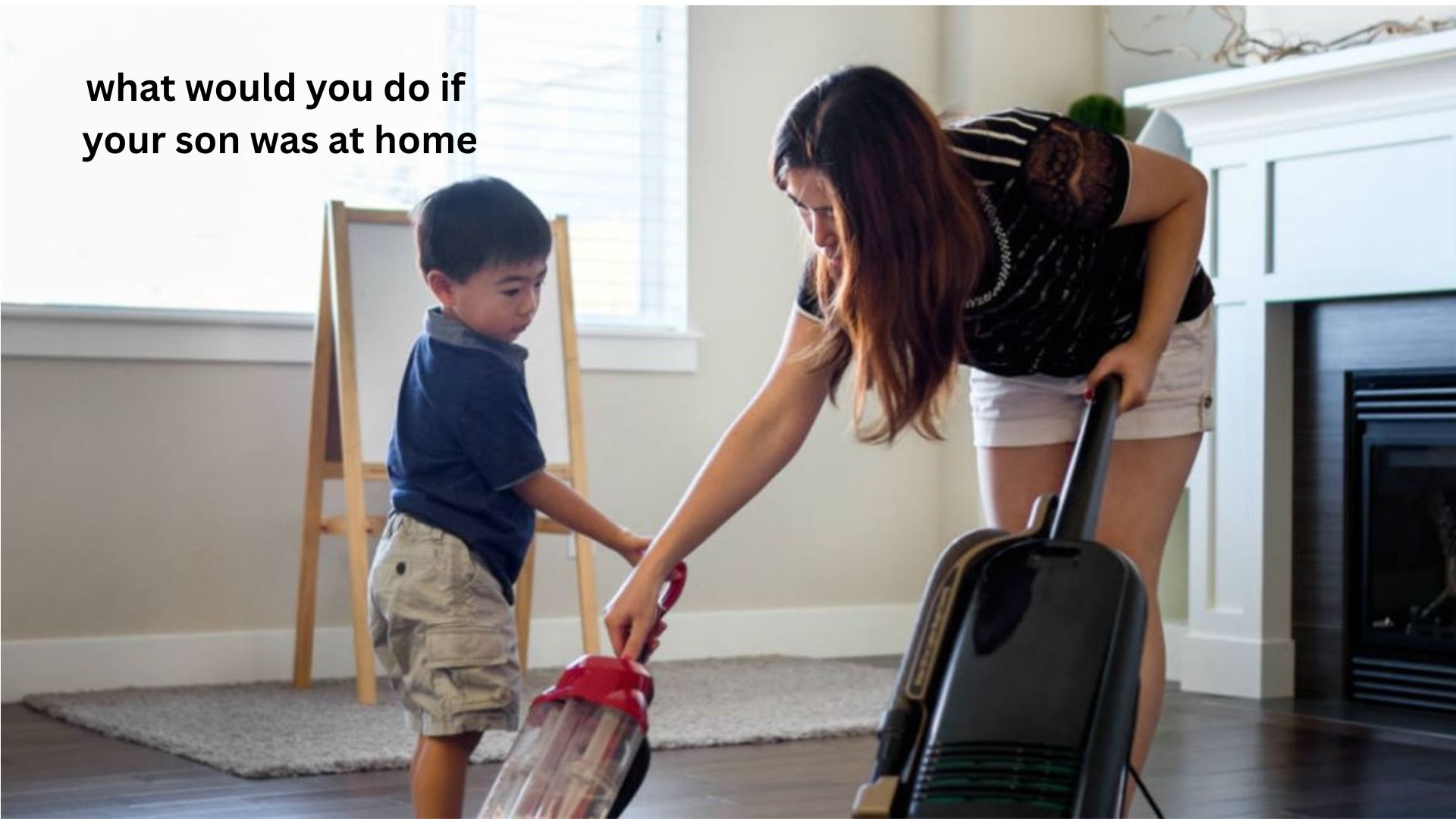
A quiet afternoon at home can suddenly become a challenge when your son is there with no plans, no school, and no clear direction for his time. Many parents find themselves asking, “What would you do if your son was at home?” because they want more than just a way to keep him busy. They want meaningful activities that build confidence, strengthen family relationships, and help their child grow.
Having a son at home can be an opportunity rather than a problem. Whether he is a young child needing guidance, a teenager looking for independence, or an adult son spending time with family, the way you respond can shape your connection with him. Instead of filling every hour with entertainment or rules, the goal should be creating a balanced environment where he feels valued, supported, and encouraged.
This article explores practical things parents can do when their son is at home, including daily routines, bonding activities, learning opportunities, common mistakes to avoid, and ways to make home time more meaningful.
Start by Understanding Why Your Son Is at Home
Before deciding what to do, consider the reason your son is home. The right approach depends on his situation, age, and emotional needs.
A son may be at home because:
- It is a school holiday or weekend.
- He is recovering from illness.
- He is studying remotely.
- He is between jobs or exploring future options.
- He needs emotional support.
- He simply wants to spend time with family.
A common parenting mistake is immediately assuming that being at home means a child is wasting time. Sometimes a son being home is actually a chance to reconnect.
For example, a teenager who spends hours in his room may not always be avoiding family. He might be processing stress, dealing with school pressure, or needing personal space. A calm conversation often works better than criticism.
Create a Simple and Healthy Home Routine
When your son is at home for several days or weeks, structure becomes important. A routine does not need to feel strict or like a school schedule. It should provide direction while allowing flexibility.
A balanced daily routine may include:
Morning Responsibilities
Encourage your son to start the day with simple habits:
- Making his bed
- Organizing his room
- Helping with household tasks
- Eating breakfast together
- Planning the day
Small responsibilities teach independence. Many parents underestimate how much confidence children gain when they feel trusted with real tasks.
Learning or Skill Development Time
Home time can become valuable when your son learns something new.
Examples include:
- Cooking a simple meal
- Learning basic financial skills
- Practicing a hobby
- Reading books
- Improving computer skills
- Working on creative projects
The goal is not to pressure him but to help him discover interests and abilities.
Relaxation and Entertainment
Rest is also important. A child or teenager does not need every moment planned.
Healthy relaxation can include:
- Watching a movie together
- Playing games
- Listening to music
- Spending time outdoors
- Talking with family
A good home environment balances productivity and enjoyment.
Spend Quality Time Together Instead of Just Being Nearby
One of the biggest differences between simply having your son at home and truly connecting with him is intentional interaction.
Many families live under the same roof but rarely communicate deeply. Being physically present does not always mean being emotionally connected.
Try activities that create natural conversations.
Cook Together
Cooking is one of the easiest ways to connect. It gives you time to talk without creating pressure.
Instead of asking direct questions like:
“Are you okay?”
Try casual conversations while preparing food:
- “What was the best part of your week?”
- “What is something you would like to learn?”
- “What has been interesting lately?”
Children and teenagers often open up more when conversations happen naturally.
Work on a Small Project Together
Shared projects create memories.
Examples:
- Building something
- Gardening
- Organizing a room
- Repairing household items
- Creating a family tradition
A unique insight many parents discover is that children often remember these ordinary moments more than expensive activities. A simple afternoon fixing a bicycle together can become a lifelong memory.
Encourage Independence While He Is at Home
Parents sometimes make one of two mistakes:
- They control every moment.
- They completely leave their child without guidance.
The healthier approach is somewhere in between.
Your son should feel:
- “My parents trust me.”
- “My choices matter.”
- “I can ask for help when I need it.”
Give him responsibilities that match his age.
For younger children:
- Cleaning toys
- Helping prepare meals
- Taking care of pets
For teenagers:
- Managing personal schedules
- Learning money management
- Helping with family decisions
For adult sons:
- Respecting boundaries
- Discussing goals
- Supporting independence
A home should be a place where your son feels supported, not controlled.
What to Do If Your Son Is Bored at Home
Boredom is not always a bad thing. In fact, boredom can encourage creativity.
Many parents immediately solve boredom by giving screens, phones, or constant entertainment. However, allowing some boredom can help children develop problem-solving skills.
When your son says:
“I’m bored.”
Instead of immediately offering solutions, ask:
“What do you think you could create or try?”
Some useful ideas:
Creative Activities
- Drawing or painting
- Writing stories
- Learning an instrument
- Photography
- Building models
Physical Activities
- Walking
- Sports
- Exercise routines
- Outdoor games
Practical Skills
- Cooking
- Gardening
- Cleaning techniques
- Basic repairs
The goal is to help him become comfortable creating his own activities.
How to Support a Teen Son Staying at Home
Teenagers require a different approach because they are developing independence.
A teenager may need:
- Privacy
- Respect
- Honest conversations
- Emotional support
Avoid turning every interaction into a lecture.
For example, if your son spends too much time on his phone, saying:
“You are always wasting time.”
may create resistance.
A better approach:
“I noticed you have been spending a lot of time online. Are you finding it helpful, or do you feel stuck?”
This opens communication instead of creating conflict.
Teen boys especially may not always express emotions clearly. Sometimes changes in behavior are their way of showing stress.
Look for signs such as:
- Becoming unusually quiet
- Losing interest in activities
- Changes in sleep patterns
- Avoiding conversations
A supportive conversation can make a major difference.
Activities That Strengthen the Father-Son or Parent-Son Relationship
Strong relationships are built through repeated small interactions.
Some meaningful activities include:
Share Family Stories
Tell your son about:
- Your childhood experiences
- Mistakes you learned from
- Challenges you overcame
- Important life lessons
Children often appreciate knowing their parents as real people, not just authority figures.
Teach Life Skills
Practical lessons can be powerful:
- How to budget money
- How to communicate respectfully
- How to handle failure
- How to solve problems
These lessons prepare him for life beyond the home.
Ask for His Opinion
Many parents forget that children want to feel respected.
Ask:
- “What would you do in this situation?”
- “What do you think about this idea?”
- “How can we improve this?”
Feeling heard builds confidence.
Common Mistakes Parents Make When Their Son Is Home
1. Constantly Criticizing His Habits
Repeated criticism can damage communication.
Instead of focusing only on what is wrong, recognize positive actions too.
2. Comparing Him With Others
Statements like:
“Your cousin does better than you”
can create insecurity.
Every child develops differently.
3. Doing Everything for Him
Helping is good, but doing everything removes opportunities to learn.
Allow your son to struggle with manageable challenges.
4. Ignoring Emotional Needs
Food, clothing, and education are important, but emotional connection matters too.
A son often remembers how safe and understood he felt at home.
Real-Life Example: Turning an Ordinary Day Into a Meaningful One
Imagine a teenager staying home during vacation. He spends the morning sleeping and the afternoon using his phone.
A parent might respond with frustration:
“You do nothing all day.”
A different approach could be:
- Have breakfast together.
- Ask about his interests.
- Plan one shared activity.
- Give him responsibility for one household task.
- Allow free time afterward.
The difference is not the activity itself. The difference is the relationship approach.
Children respond better when they feel guided rather than judged.
The Importance of Making Home a Safe Place
A home should be more than a physical location. It should be a place where your son feels accepted.
A son who feels comfortable at home is more likely to:
- Share problems
- Ask for advice
- Make better decisions
- Develop confidence
One overlooked parenting insight is that children often test whether they can make mistakes safely. A supportive response during small failures teaches them that mistakes are opportunities to learn.
FAQ
What would you do if your son was at home all day?
If your son was home all day, focus on creating balance between responsibility, learning, relaxation, and family connection. Encourage a simple routine, involve him in household activities, and spend meaningful time together. The goal is not to keep him constantly occupied but to help him grow.
How can I keep my son productive at home?
You can help your son stay productive by encouraging hobbies, practical skills, exercise, reading, and household responsibilities. Let him choose some activities so he develops independence rather than feeling forced.
What activities can I do with my son at home?
Parents can cook together, play games, work on projects, watch movies, exercise, or have meaningful conversations. Simple shared experiences often create stronger bonds than expensive activities.
How do I handle a teenage son who stays home too much?
A teenage son who stays home frequently may need understanding before discipline. Talk openly about his feelings, interests, and goals while respecting his need for privacy and independence.
Should I let my son be bored at home?
Yes, occasional boredom can be healthy. It encourages creativity, problem-solving, and self-direction. Parents can guide children toward options without immediately removing every moment of boredom.
Conclusion
When thinking about what would you do if your son was at home, the best answer is not simply finding activities to fill his time. The real opportunity is building trust, teaching important life skills, and creating moments that strengthen your relationship.
A son does not need a perfect parent or a perfectly planned day. He needs guidance, patience, attention, and a home where he feels valued. Whether you spend the day cooking together, learning something new, or simply having a meaningful conversation, small moments can have a lasting impact.
The time your son spends at home can become more than a routine part of life. It can become a foundation for confidence, connection, and lifelong memories.