Buying a home is one of the biggest financial decisions most people make, and it is easy to focus only on the purchase price, mortgage rate, and closing costs. However, many buyers overlook one small but important expense: the home inspection. The question “how much is a home inspection?” is common among first-time buyers because they want to understand whether the cost is worth adding to their budget.
A home inspection usually costs a few hundred dollars, but the value it provides can be much greater. A professional inspection can reveal hidden problems that may affect your decision, your negotiation power, or your future repair expenses. A home that looks perfect during a showing may have issues behind walls, under the roof, or inside major systems.
This guide explains the real cost of a home inspection, what influences pricing, what you actually get for your money, and practical tips to make sure you hire the right inspector. Whether you are buying your first home, investing in property, or selling a house, understanding inspection costs can help you make a smarter financial decision.
How Much Is a Home Inspection on Average?
The average cost of a home inspection is typically between $300 and $600, depending on the home’s size, location, age, and complexity. Smaller homes or apartments may cost less, while larger properties with additional systems can cost significantly more.
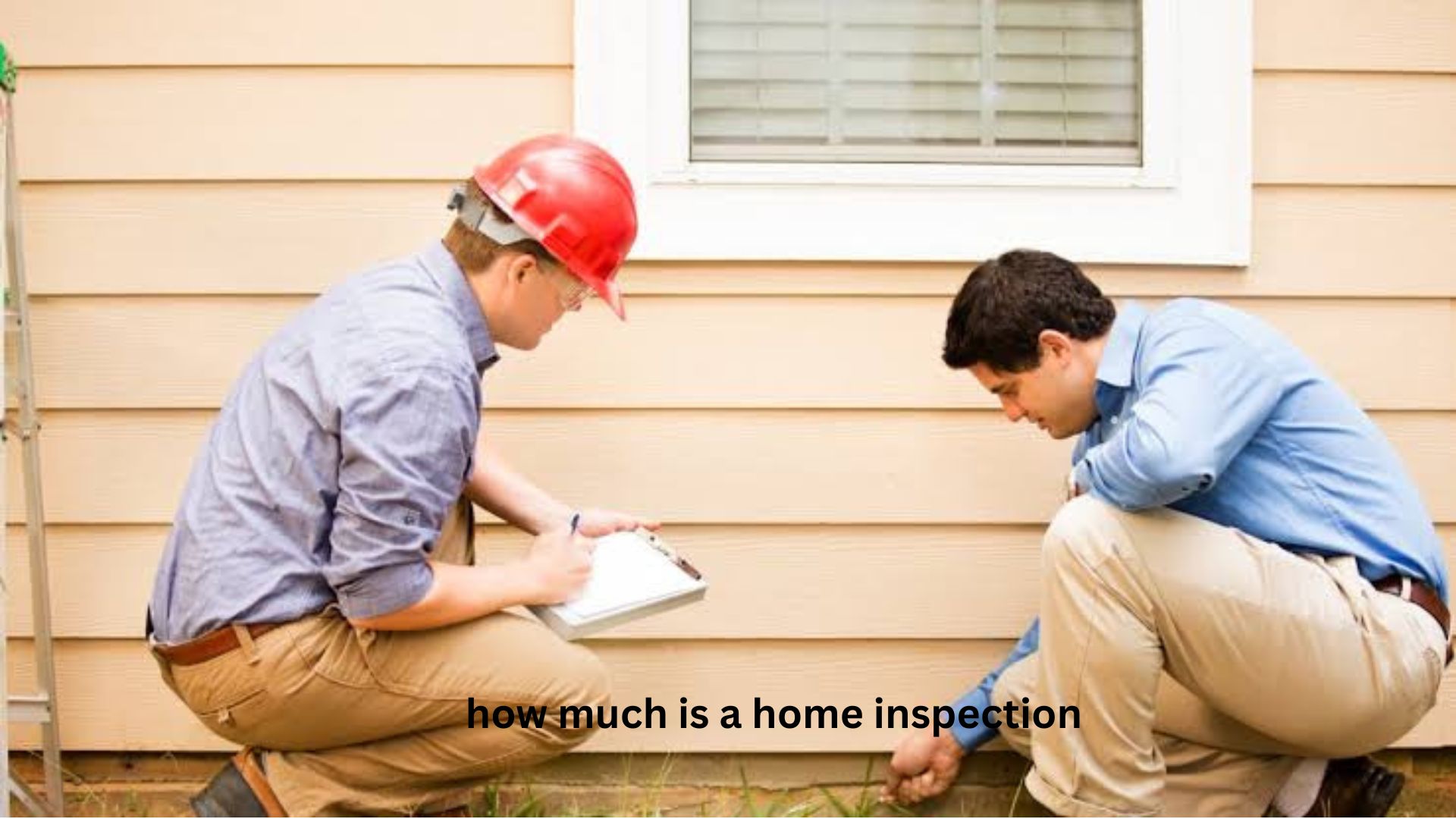
A basic inspection usually includes a visual examination of major parts of the home, such as:
- Foundation and structural components
- Roof condition
- Electrical systems
- Plumbing
- Heating and cooling systems
- Windows and doors
- Attic and insulation
- Basement or crawl spaces
- Interior and exterior conditions
The price is not simply based on the number of rooms. A 2,000-square-foot home with easy access may take less time than a smaller older home with outdated systems and hidden maintenance issues.
A good inspector is not just checking boxes on a list. They are helping you understand the condition of a property before you commit hundreds of thousands of dollars.
What Factors Affect Home Inspection Cost?
Several factors influence how much you will pay for a home inspection. Understanding these factors helps you estimate the price more accurately.
1. Size of the Home
Square footage is one of the biggest pricing factors.
A small condominium may take only a couple of hours to inspect, while a large single-family home may require several hours.
Typical pricing differences:
- Small homes: Lower inspection fees
- Medium homes: Average inspection pricing
- Large homes: Higher inspection fees because of additional time and systems
Larger properties require more documentation, more areas to examine, and more detailed reporting.
2. Age and Condition of the Property
Older homes often cost more to inspect because they usually require closer attention.
For example, a 1950s home may have:
- Older electrical wiring
- Aging plumbing materials
- Foundation concerns
- Roof deterioration
- Outdated heating systems
An inspector may spend extra time evaluating these areas because they carry higher risks for expensive repairs.
A newer home may still need an inspection, but the process may be simpler because major systems are usually more modern.
3. Location and Local Market Prices
Home inspection prices vary depending on where you live.
In areas with higher housing costs, inspectors often charge more due to:
- Higher operating expenses
- Greater demand
- More expensive insurance requirements
- More complex property types
Two similar homes in different cities can have noticeably different inspection fees.
4. Additional Inspection Services
A standard inspection does not cover every possible issue. Many buyers choose additional services depending on the property.
Common add-ons include:
Pest Inspection
Checks for damage caused by insects such as termites.
Mold Inspection
Looks for moisture problems and possible mold growth.
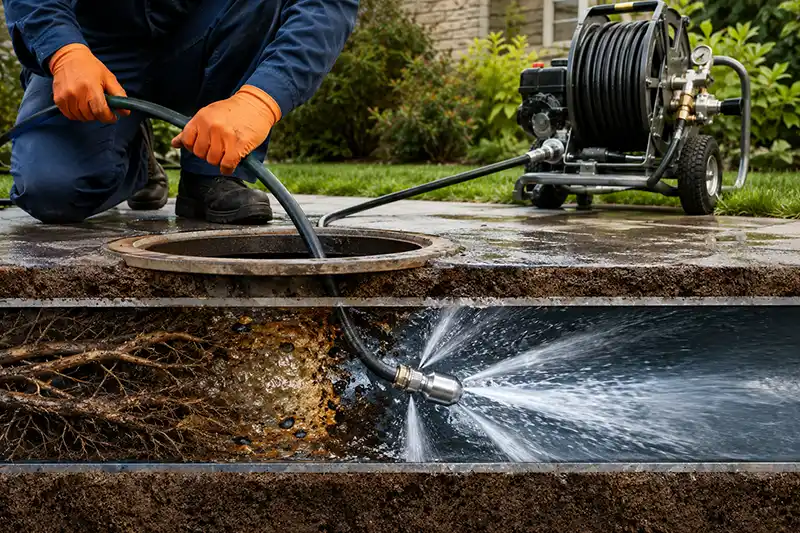
Sewer Inspection
Uses specialized equipment to examine sewer lines.
Radon Testing
Measures radon gas levels, which can be a health concern.
Pool Inspection
Evaluates pool equipment, structure, and safety features.
These additional services can increase the total inspection cost, but they may prevent expensive surprises later.
What Does a Home Inspection Actually Include?
Many buyers wonder what they are paying for. A professional home inspection is more than walking through a house and pointing out obvious problems.
An inspector evaluates the home’s major components and documents their condition.
Structural Inspection
The inspector checks:
- Foundation issues
- Walls and ceilings
- Structural movement
- Signs of water damage
Structural problems can be among the most expensive repairs, so this part of the inspection is extremely important.
Electrical System Review
Electrical problems are common in older homes.
The inspector looks for:
- Unsafe wiring
- Electrical panel problems
- Missing safety features
- Improper installations
A small electrical issue can become a major safety concern if ignored.
Plumbing Evaluation
Inspectors examine:
- Pipes
- Water pressure
- Drain operation
- Water heaters
- Visible leaks
A leaking pipe behind a wall may not be obvious during a home tour but can create thousands of dollars in damage.
Heating and Cooling Systems
HVAC systems are expensive to replace.
The inspection usually checks:
- Age of equipment
- Basic operation
- Visible damage
- Maintenance concerns
One practical insight many buyers miss: a system that works today does not always mean it is in good condition. An older furnace or air conditioner may still operate but be close to replacement.
Is a Home Inspection Worth the Money?
For most buyers, yes. The inspection fee is small compared with the potential cost of unexpected repairs.
Imagine purchasing a home for $350,000 and discovering two months later that the roof needs $12,000 in repairs and the electrical system needs another $8,000.
A $400–$600 inspection could have revealed warning signs before closing.
The inspection gives buyers three important advantages:
1. Better Negotiation Power
If problems are discovered, buyers may be able to:
- Request repairs
- Negotiate a lower price
- Ask for seller credits
- Decide whether to continue the purchase
The inspection report becomes a valuable decision-making tool.
2. Realistic Maintenance Expectations
Not every issue means you should walk away.
A home inspection helps separate:
Minor issues:
- Loose handles
- Small leaks
- Cosmetic damage
From:
Major concerns:
- Foundation problems
- Unsafe electrical systems
- Major water damage
This distinction helps buyers avoid emotional decisions.
3. Peace of Mind
Buying a home can feel overwhelming. An inspection provides a clearer picture of what you are actually purchasing.
You may not get a perfect house, but you can understand the home’s condition and prepare financially.
Who Pays for the Home Inspection?
In most home purchases, the buyer pays for the inspection.
This is because the inspection is designed to protect the buyer’s interests. The buyer chooses the inspector, receives the report, and uses the findings during the purchasing process.
However, some sellers choose to complete a pre-listing inspection before putting their home on the market. This can help them identify problems early and avoid surprises during negotiations.
How Long Does a Home Inspection Take?
Most inspections take between two and four hours, depending on:
- Home size
- Property condition
- Accessibility
- Additional services
A good inspector should not rush. Spending too little time on a property may mean missing important details.
Buyers are usually encouraged to attend the inspection because they can:
- Ask questions directly
- Learn how systems work
- Understand maintenance needs
The inspection is not just about finding problems; it is also an education about the home.
Common Mistakes Buyers Make With Home Inspections
Choosing the Cheapest Inspector
The lowest price is not always the best value.
A cheaper inspector may spend less time on the property or provide a less detailed report.
Look for:
- Experience
- Proper credentials
- Clear communication
- Detailed reporting style
Skipping the Inspection to Save Money
Some buyers skip inspections because they want to make their offer more attractive.
This can be risky.
Saving a few hundred dollars could lead to thousands of dollars in unexpected repairs.
Expecting the Inspector to Predict Every Future Problem
A home inspector evaluates visible conditions at the time of inspection.
They cannot predict exactly when a roof will fail or when an appliance will stop working.
The purpose is to identify current issues and potential concerns.
Ignoring Small Problems
A small issue today can become a major repair tomorrow.
For example:
- A minor roof leak can create structural damage
- Small plumbing leaks can cause mold problems
- Poor drainage can affect foundations
A detailed inspection helps buyers understand which issues deserve attention.
Unique Insights Experienced Buyers Often Know
1. The Best Inspection Findings Are Not Always Deal Breakers
Many buyers assume a long inspection report means the house is a bad purchase.
That is not always true.
Most homes have problems. The important question is whether the problems are manageable, expected, and financially reasonable.
A 20-page report on an older home may be normal, while a short report mentioning one serious foundation issue may be much more concerning.
2. Inspection Timing Matters
Scheduling the inspection early in the buying process gives you more options.
If serious problems appear, you have more time to:
- Research repair costs
- Negotiate properly
- Make an informed decision
Waiting until the last possible moment can create unnecessary pressure.
3. A Good Inspector Explains Risk, Not Just Defects
The most useful inspectors do not simply list problems. They explain:
- How serious the issue is
- What could happen if ignored
- Possible repair priorities
This context is often more valuable than the report itself.
How to Choose a Reliable Home Inspector
Before hiring someone, consider asking:
- How many inspections have you completed?
- What areas do you specialize in?
- How long will the inspection take?
- What does your report include?
- Can I attend the inspection?
- Do you inspect older homes regularly?
A professional inspector should welcome questions and clearly explain their process.
FAQ
How much is a home inspection for a typical house?
A typical home inspection usually costs between $300 and $600. The exact price depends on the home’s size, location, age, and whether additional services are needed.
Is a home inspection required when buying a house?
A home inspection is not always legally required, but many buyers choose to get one because it helps identify costly problems before purchasing a property.
How much does a home inspection cost for a large house?
Large homes generally cost more because they require more time and detailed evaluation. Prices may exceed the average range depending on size, systems, and complexity.
Can a home inspection save money?
Yes. A home inspection can help buyers discover expensive repairs before closing, allowing them to negotiate or reconsider the purchase.
What happens if a home inspector finds problems?
If problems are discovered, buyers can discuss repairs, request price adjustments, negotiate seller credits, or decide whether the property is still the right choice.
Conclusion
Understanding how much is a home inspection helps buyers plan their budget and make smarter decisions during the home-buying process. While the cost may feel like another expense, it is actually an investment in avoiding unexpected problems.
A quality inspection provides valuable information about a home’s condition, highlights potential risks, and gives buyers confidence before making a major financial commitment.
The goal is not to find a perfect home—because almost no home is perfect. The goal is to understand what you are buying and make a decision with your eyes open. A few hundred dollars spent on the right inspection can protect one of the biggest investments you will ever make.