Have you ever looked at the care label on your favorite blazer or dress, seen the words “Dry Clean Only,” and wondered if you really needed to spend money at a professional cleaner? You’re not alone. Many garments can be refreshed at home with the right techniques, saving both time and money while reducing unnecessary trips to the dry cleaner.
Learning how to dry clean at home doesn’t mean replacing professional dry cleaning in every situation. Instead, it’s about understanding which fabrics can be safely treated at home, how to remove odors and light stains, and when a professional’s expertise is still necessary. Over the years, I’ve found that careful home care can significantly extend the life of clothing, especially everyday business wear, sweaters, and delicate garments that aren’t heavily soiled.
This guide walks you through everything you need to know—from choosing the right supplies to handling different fabrics, avoiding common mistakes, and using practical methods that actually work. Whether you’re trying to freshen a suit between wears or clean a silk blouse without damaging it, you’ll find step-by-step advice that helps you care for your clothes confidently.
What Does Dry Cleaning Actually Mean?
Despite its name, dry cleaning isn’t completely dry. Instead of water, professional cleaners use specialized liquid solvents that dissolve oils, grease, and dirt while minimizing shrinkage and fabric distortion.
At home, you can’t fully replicate a commercial dry-cleaning process. However, you can safely refresh many garments using gentle cleaning methods, fabric-safe products, steam, and spot treatment.
The goal is to:
- Remove odors
- Clean light stains
- Refresh fabric
- Reduce wrinkles
- Extend time between professional cleanings
Can You Really Dry Clean Clothes at Home?
Yes—but only certain garments.
Many clothing labels say “Dry Clean Only” because manufacturers want to minimize the risk of damage rather than because professional cleaning is absolutely required.
Generally safe to refresh at home:
- Wool sweaters
- Cotton blazers
- Polyester dresses
- Rayon garments
- Cashmere sweaters
- Synthetic suits
- Silk scarves (with caution)
Usually better left to professionals:
- Structured suits
- Wedding dresses
- Leather
- Suede
- Fur
- Velvet
- Garments with heavy beading
- Vintage clothing
- Delicate formal wear
If the garment is expensive or sentimental, professional cleaning remains the safest option.
Supplies You’ll Need
You don’t need expensive equipment.
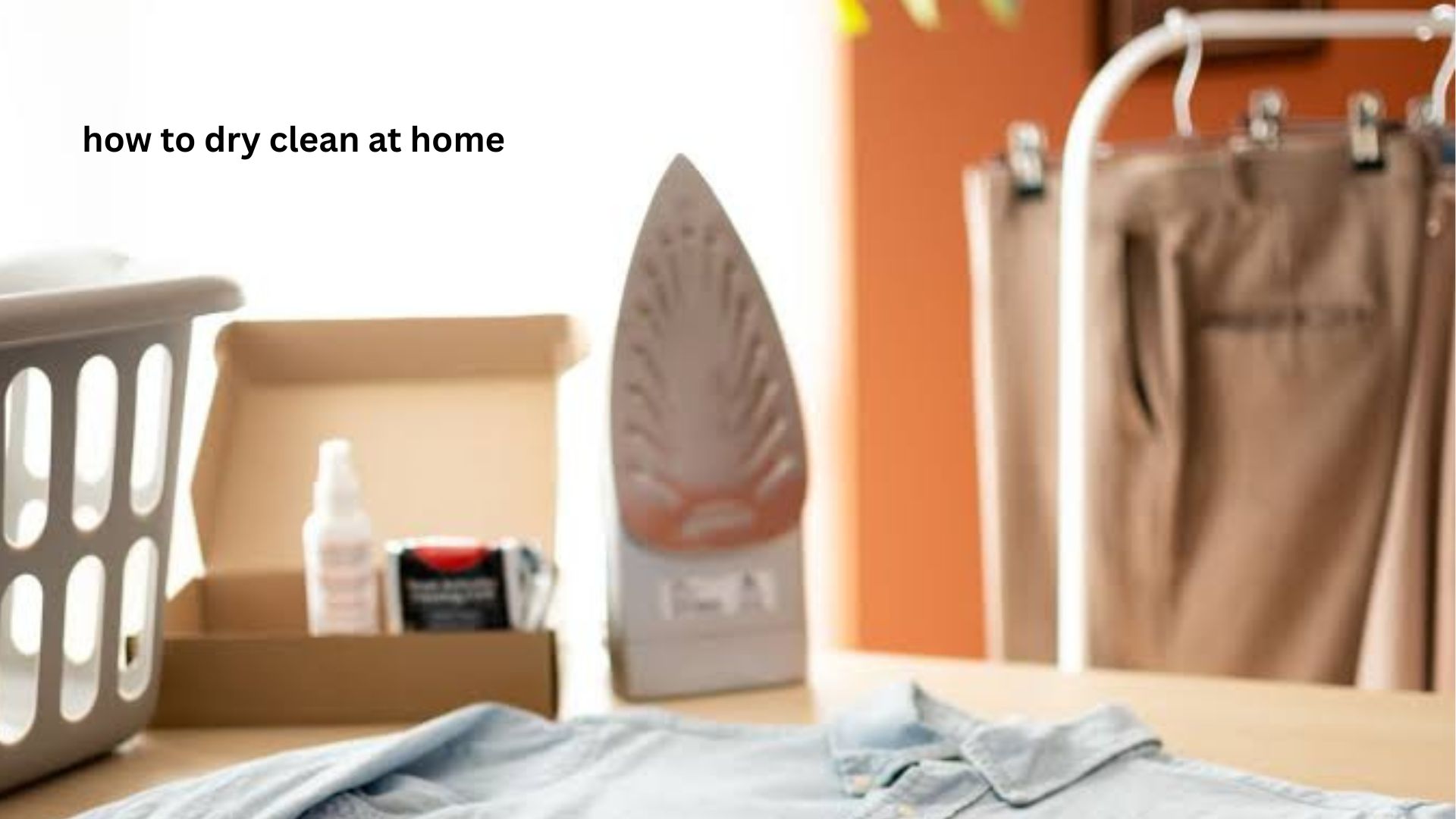
A simple home dry-cleaning kit may include:
- Dry cleaning sheets or cleaning cloths
- Mesh laundry bag
- Mild stain remover
- White microfiber cloth
- Garment steamer
- Soft clothing brush
- Padded hangers
- Lint roller
Having these items ready makes routine clothing care much easier.
Step-by-Step: How to Dry Clean at Home
Step 1: Read the Care Label
Always begin by checking the manufacturer’s instructions.
Look for:
- Dry Clean Only
- Dry Clean Recommended
- Hand Wash
- Do Not Wash
“Dry Clean Recommended” usually gives more flexibility than “Dry Clean Only.”
Step 2: Inspect the Garment
Look carefully for:
- Food stains
- Sweat marks
- Makeup
- Oil spots
- Loose buttons
- Small tears
Cleaning won’t repair damaged fabric, so fix minor issues first.
Step 3: Spot Treat Stains
Never rub aggressively.
Instead:
- Dab gently.
- Use a fabric-safe stain remover.
- Blot with a clean cloth.
- Let the area dry completely.
For oil stains, absorb excess grease with cornstarch before treating.
Step 4: Use a Home Dry Cleaning Kit
Most kits work similarly.
Place:
- Garment
- Cleaning cloth
- Mesh bag
inside your dryer.
Run the dryer on low heat for about 20–30 minutes.
The cleaning cloth releases moisture and cleaning agents while the tumbling action refreshes the fabric.
Step 5: Steam Immediately
Once finished:
- Remove clothing promptly.
- Hang it up.
- Steam away wrinkles.
- Let it air for several hours.
This prevents new wrinkles from setting.
How to Remove Odors Without Washing
Sometimes clothing isn’t dirty—it just smells stale.
Good odor-removal methods include:
- Steaming
- Hanging outdoors in shade
- Using activated charcoal nearby
- Air circulation
- Fabric-refreshing sprays designed for delicate clothing
Unique Insight #1
Many people immediately reach for scented fabric sprays. In reality, steam often works better because it helps release odor-causing bacteria trapped within fibers instead of simply masking smells. Professional wardrobe stylists frequently steam garments between photo shoots for this exact reason.
Cleaning Different Fabric Types
Wool
Wool responds well to:
- Gentle steaming
- Spot cleaning
- Air drying
Avoid soaking.
Silk
Silk requires extra care.
Use:
- Minimal moisture
- Gentle blotting
- Low-temperature steam
Never wring silk.
Cashmere
Cashmere benefits from:
- Soft brushing
- Spot cleaning
- Flat drying
Frequent washing actually shortens its lifespan.
Polyester
Polyester is generally easier to clean.
Many polyester garments labeled “Dry Clean Only” tolerate careful home refreshing surprisingly well.
Linen
Linen wrinkles easily.
Steam provides excellent results after refreshing the garment.
Common Stains and How to Handle Them
Oil
- Blot immediately.
- Apply cornstarch.
- Wait 30 minutes.
- Brush away powder.
Makeup
Use a small amount of gentle cleanser on a cloth.
Never pour directly onto fabric.
Sweat
Treat discoloration before it becomes permanent.
Older sweat stains become much harder to remove.
Ink
Don’t scrub.
Blot carefully and test stain removers on a hidden area first.
Mistakes to Avoid
Many damaged garments result from avoidable mistakes.
Avoid:
- Using hot water
- Overusing stain remover
- Scrubbing delicate fibers
- High dryer heat
- Ignoring care labels
- Storing clothes before fully drying
- Hanging heavy sweaters
Each mistake shortens a garment’s life.
When Home Dry Cleaning Isn’t Enough
Some situations require professional cleaning.
Examples include:
- Heavy grease
- Wine stains
- Blood stains
- Smoke damage
- Mold
- Delicate embellishments
- Tailored jackets with shoulder padding
Trying to fix these at home may permanently damage the garment.
Home Dry Cleaning vs Professional Dry Cleaning
| Home Dry Cleaning | Professional Dry Cleaning |
|---|---|
| Lower cost | More expensive |
| Convenient | Best for delicate garments |
| Good for refreshing | Removes stubborn stains |
| Ideal for light odors | Deep cleaning |
| Great between professional cleanings | Necessary for valuable clothing |
The two methods work best together rather than replacing one another.
How Often Should You Dry Clean Clothes?
It depends on how often you wear them.
General recommendations:
- Suits: Every 4–6 wears
- Blazers: Every 5–6 wears
- Wool coats: Once or twice per season
- Silk dresses: After several wears unless stained
- Sweaters: Refresh often, wash rarely
Over-cleaning can wear fabrics out faster than regular use.
Unique Insight #2
One of the biggest reasons clothes lose their original look isn’t wearing them—it’s excessive cleaning. Many premium clothing manufacturers design garments to withstand frequent wear but recommend minimal washing because mechanical cleaning gradually weakens fibers and fades finishes.
Practical Tips That Make a Big Difference
Small habits can dramatically extend clothing life.
Try these:
- Brush wool garments after wearing.
- Air clothes overnight before storing.
- Rotate business attire instead of wearing the same outfit repeatedly.
- Empty pockets before cleaning.
- Zip zippers and fasten buttons.
- Store garments on quality hangers.
These habits reduce wrinkles, odors, and fabric stress.
Real-Life Example
Imagine you’ve worn a wool blazer to an office meeting. It isn’t stained, but it smells slightly of perfume and restaurant food.
Instead of sending it immediately to a cleaner:
- Brush off dust.
- Spot-clean any small marks.
- Use a home dry-cleaning sheet.
- Steam the blazer.
- Hang it overnight.
The blazer looks refreshed, smells clean, and avoids unnecessary professional cleaning costs.
How to Store Dry-Cleaned Clothes Properly
Cleaning is only part of garment care.
Store clothes:
- In a cool, dry space
- On padded hangers
- Away from direct sunlight
- With enough room for airflow
Avoid keeping garments inside plastic dry-cleaning bags for long periods. They can trap moisture and contribute to lingering odors over time.
Unique Insight #3
Natural fabrics like wool and cashmere actually benefit from “rest days.” Allowing garments to hang in open air for 24 hours after wearing helps fibers recover their shape naturally, reducing wrinkles without additional cleaning.
Is Home Dry Cleaning Worth It?
For many households, absolutely.
It works especially well for:
- Office clothing
- Sweaters
- Business casual outfits
- Light jackets
- Dresses
- Seasonal garments
While it won’t replace professional services for every item, it can significantly reduce cleaning costs while helping clothes stay fresh between full cleanings.
The key is knowing your fabric, treating stains early, and using gentle methods instead of harsh cleaning.
FAQ
Can I dry clean clothes at home without a dry cleaning kit?
Yes. You can refresh many garments by spot cleaning stains, steaming wrinkles, brushing away dust, and airing clothes properly. While this doesn’t replicate professional dry cleaning, it’s often enough for lightly worn items that simply need freshening.
Is it safe to wash “Dry Clean Only” clothes by hand?
Some fabrics, such as wool, cashmere, or certain synthetic blends, may tolerate careful hand washing. However, structured garments, silk items, or clothing with linings and embellishments can lose their shape or texture. Always test cautiously and follow the care label whenever possible.
How often should I professionally dry clean a suit?
A suit doesn’t usually need cleaning after every wear. For normal office use, professional dry cleaning every four to six wears is often sufficient unless the suit becomes stained or develops noticeable odors. Brushing and airing it between wears can help extend the time between cleanings.
Can steam replace dry cleaning?
Steam is excellent for removing wrinkles and reducing odors, but it doesn’t remove oil, grease, or embedded dirt the way professional dry cleaning does. It’s best used as a maintenance tool rather than a complete replacement for deep cleaning.
What’s the biggest mistake people make when dry cleaning at home?
The most common mistake is using too much heat or too much cleaning product. High temperatures can shrink fabrics, while excessive stain remover may leave marks or damage delicate fibers. Gentle treatment is almost always more effective than aggressive cleaning.
Conclusion
Learning how to dry clean at home is less about replacing professional services and more about caring for your clothes intelligently. With the right tools, careful spot treatment, gentle steaming, and proper storage, many garments can stay fresh, clean, and presentable for much longer between professional cleanings.
The most successful approach is knowing the limits of home care. Refresh everyday clothing yourself, treat stains quickly, and trust professionals with valuable or delicate pieces when necessary. By combining these methods, you’ll save money, extend the life of your wardrobe, and keep your favorite clothes looking their best for years to come.