
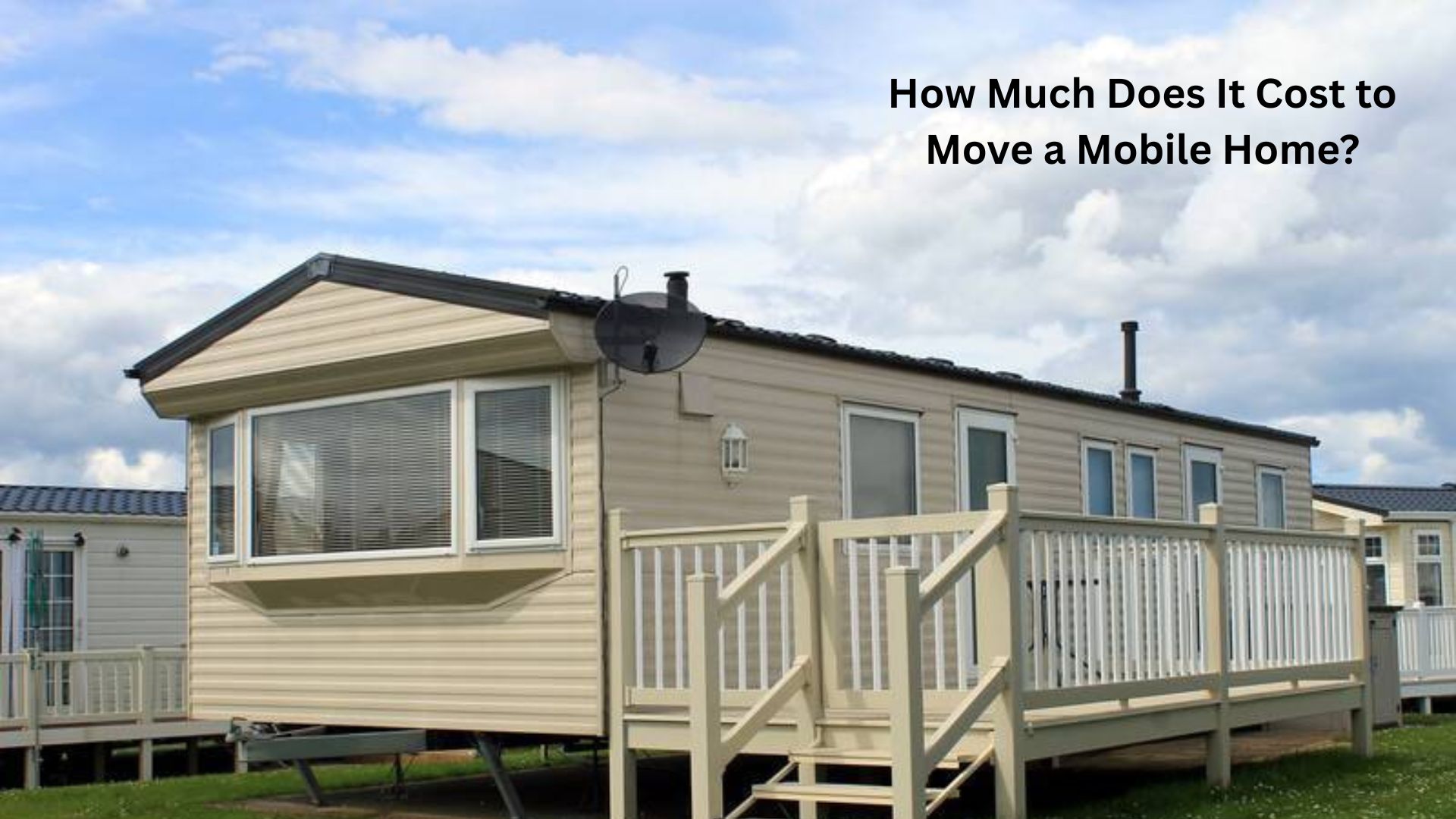
Moving a mobile home can be one of the biggest expenses you’ll face as a homeowner. Whether you’re relocating closer to family, purchasing land, or buying a used manufactured home, understanding how much does it cost to move a mobile home is essential before making any decisions.
Many people assume the move itself is straightforward, but the transportation fee is only one part of the total cost. Site preparation, permits, utility disconnection, escorts, insurance, and setup at the new location can significantly increase your final bill. In some cases, unexpected repairs or road restrictions may also add to the expense.
This guide breaks down every major cost involved, explains what affects pricing, and shares practical tips from real-world moving scenarios. You’ll learn what to expect, how to avoid expensive mistakes, and when moving a mobile home is financially worthwhile. By the end, you’ll have a realistic understanding of the entire process and be better prepared to plan your budget.
Average Cost to Move a Mobile Home
The average cost depends on the home’s size, the moving distance, and the services included.
| Type of Move | Typical Cost |
|---|---|
| Single-wide (local) | $3,000–$7,000 |
| Double-wide (local) | $7,000–$15,000 |
| Triple-wide | $12,000–$20,000+ |
| Long-distance move | $10,000–$25,000+ |
| Full-service relocation | $8,000–$30,000+ |
These estimates generally include transportation but may not cover every additional expense required to make the home livable again.
What Factors Affect Mobile Home Moving Costs?
Several variables influence the total price.
1. Size of the Home
The larger the home, the more equipment, labor, and transportation vehicles are needed.
For example:
- Single-wide homes require one transport unit.
- Double-wide homes must be separated into two sections.
- Triple-wide homes involve additional permits and transportation equipment.
Larger homes also take longer to disconnect and reinstall.
2. Distance
Distance has one of the biggest impacts on pricing.
For example:
- 20-mile move: relatively inexpensive
- 100-mile move: moderate cost
- 500-mile move: significantly higher due to fuel, labor, overnight stays, and permits
Long-distance transportation may also require multiple escort vehicles depending on state regulations.
3. Home Condition
Older mobile homes often cost more to move because they need additional reinforcement.
Common issues include:
- Weak frame
- Damaged axles
- Worn tires
- Structural deterioration
- Roof damage
Some movers refuse to transport homes built several decades ago unless repairs are completed first.
4. Permits and Regulations
Every state—and often each county—has different rules regarding oversized loads.
Possible permit expenses include:
- Transportation permits
- Highway permits
- Utility crossing permits
- Temporary road closures
- Local inspections
These fees vary considerably by location.
5. Accessibility
The easier movers can access both properties, the lower your costs tend to be.
Additional charges may apply if:
- Roads are narrow
- Trees block access
- Utility lines require temporary removal
- Steep driveways need specialized equipment
Even small obstacles can add several hundred dollars to the bill.
Full-Service vs. Transport-Only
There are two common moving options.
Transport Only
This generally includes:
- Loading
- Transportation
- Delivery
You’ll usually handle everything else separately.
This option costs less upfront but requires coordinating multiple contractors.
Full-Service Move
A full-service company may include:
- Home inspection
- Permits
- Utility disconnection
- Skirting removal
- Transportation
- Escort vehicles
- Reinstallation
- Leveling
- Utility reconnection
Although more expensive, it often reduces delays and unexpected problems.
Additional Costs Many Homeowners Overlook
Transportation isn’t the only expense.
Here are several commonly forgotten costs.
Utility Disconnect and Reconnect
You’ll likely need professionals to disconnect:
- Electricity
- Water
- Sewer
- Natural gas
- Internet lines
Reconnecting utilities at the new site creates another expense.
Foundation Preparation
The destination site may require:
- Concrete pads
- Piers
- Gravel
- Anchors
- Drainage improvements
Site preparation alone can range from a few hundred dollars to several thousand.
Insurance
Some moving companies include limited coverage.
However, many homeowners purchase additional protection in case of:
- Road accidents
- Weather damage
- Structural cracking
- Interior damage
Insurance provides valuable peace of mind for a high-value asset.
Escort Vehicles
Oversized loads often require:
- Pilot cars
- Police escorts
- Traffic control
These costs depend on state regulations and travel distance.
Temporary Storage
If your new property isn’t ready, storage fees may apply until installation can be completed.
Real-Life Example Budget
Imagine moving a double-wide home approximately 80 miles.
Possible breakdown:
| Expense | Estimated Cost |
|---|---|
| Transportation | $8,500 |
| Permits | $600 |
| Escort vehicles | $800 |
| Utility disconnect | $700 |
| Utility reconnect | $900 |
| Foundation preparation | $2,500 |
| Leveling and setup | $1,300 |
| Insurance | $500 |
Estimated total: Approximately $15,800
Actual costs vary, but this example shows why transportation represents only part of the overall expense.
Is It Cheaper to Move or Buy Another Mobile Home?
This is one of the most common questions homeowners ask.
Moving makes sense when:
- The home is relatively new.
- You own valuable land.
- The home is in excellent condition.
- Replacement costs are much higher.
Buying another home may be smarter if:
- The current home needs major repairs.
- Moving costs exceed the home’s value.
- Long-distance transportation is required.
- Local housing options are affordable.
A careful cost comparison often saves thousands of dollars.
Common Mistakes That Increase Moving Costs
Many homeowners unknowingly spend far more than necessary.
Avoid these mistakes:
Waiting until the last minute
Emergency scheduling often increases pricing.
Ignoring permit requirements
Missing paperwork can delay the move and result in additional fees.
Choosing the cheapest quote
The lowest estimate isn’t always the best value.
Companies with extremely low prices may exclude important services.
Forgetting setup expenses
Many budgets only account for transportation.
Site preparation and installation can easily cost several thousand dollars.
Skipping a home inspection
Minor structural issues can become major transportation problems if discovered too late.
Practical Tips to Save Money
There are several ways to reduce moving expenses.
Get multiple estimates
Request at least three detailed quotes.
Compare:
- Transportation
- Setup
- Insurance
- Permit handling
- Utility services
Don’t compare only the final price.
Prepare the property early
Removing obstacles before movers arrive can reduce labor costs.
Examples include:
- Trimming trees
- Clearing driveways
- Removing fences
- Improving site access
Schedule during slower seasons
Demand often peaks during spring and summer.
Scheduling during less busy periods may provide better pricing.
Complete minor repairs beforehand
Fixing loose siding, damaged steps, or weak structural areas beforehand may prevent delays or additional charges.
Unique Insight #1: Route Complexity Can Cost More Than Distance
A little-known factor is that a shorter trip isn’t always cheaper.
For example, a 40-mile move through urban areas with traffic lights, narrow roads, and multiple utility crossings may cost more than a 70-mile trip on open highways. Professional movers often evaluate the route just as carefully as the mileage because complexity directly affects labor time, permits, and escort requirements.
Unique Insight #2: Older Homes May Need Engineering Approval
Many articles mention the age of the home, but not why it matters.
Some moving companies require an engineer or structural specialist to inspect older manufactured homes before transport. If the frame has weakened over time, reinforcement may be necessary to prevent damage during lifting and transport. This inspection adds cost but can prevent far more expensive repairs later.
Unique Insight #3: Utility Reconnection Delays Can Increase Overall Costs
One expense homeowners rarely anticipate is downtime.
Even after the home arrives, delays in reconnecting electricity, water, or sewer services can leave the property uninhabitable for days or even weeks. Coordinating utility providers before moving day helps avoid temporary accommodation costs that many budgets fail to include.
When Is Moving a Mobile Home Worth It?
Moving is often worthwhile if:
- The home is less than 15–20 years old.
- The structure is in excellent condition.
- You already own the destination land.
- The move is relatively short.
- Replacement housing would cost substantially more.
If the home has major structural damage or the relocation is extremely long-distance, purchasing another manufactured home may provide better value.
Planning Checklist Before Moving
Use this checklist to stay organized:
- Obtain multiple moving quotes.
- Verify local permits.
- Schedule utility disconnections.
- Prepare the destination site.
- Purchase additional insurance if needed.
- Inspect the home’s frame and structure.
- Confirm setup and leveling services.
- Coordinate utility reconnections before delivery.
Planning these steps in advance helps reduce delays and unexpected expenses.
FAQ
How much does it cost to move a mobile home across state lines?
Interstate moves typically cost between $10,000 and $25,000 or more, depending on the home’s size, route, permits, and setup requirements. Additional regulations and escort vehicles often increase the price. Long-distance transportation also raises fuel and labor costs.
Can I move a mobile home myself?
In most cases, no. Moving a mobile home requires specialized equipment, commercial transport vehicles, permits, and experienced professionals. Attempting to move one without proper licensing can be unsafe and may violate local regulations.
Why is moving a double-wide so expensive?
A double-wide must be separated into two transportable sections and moved individually. This requires additional labor, permits, equipment, escort vehicles, and reassembly at the destination. Setup costs are also generally higher than for a single-wide.
Does homeowners insurance cover moving a mobile home?
Standard homeowners insurance usually does not cover transportation. Some moving companies provide limited coverage, but many homeowners choose separate transit insurance for additional protection. Review your policy carefully before scheduling the move.
Is moving an older mobile home worth it?
It depends on the home’s condition and value. If the structure is sound and replacement costs are significantly higher, moving may still be worthwhile. However, homes with serious structural issues may cost more to relocate than they are worth.
Conclusion
Understanding how much does it cost to move a mobile home involves much more than transportation alone. Permits, utility work, foundation preparation, insurance, route complexity, and setup all contribute to the final cost. While local moves for smaller homes can be relatively affordable, larger or long-distance relocations require careful budgeting and planning.
The best approach is to gather detailed quotes, inspect the home’s condition, and calculate the total relocation cost before committing. Looking beyond the transportation fee helps you avoid unpleasant surprises and make a decision that fits both your needs and your budget. With proper planning, a mobile home move can be completed safely, efficiently, and with far fewer unexpected expense